

Operation Process and Working Principle of Chili Powder Material Conveying
HeadPowder, a leading engineering company based in Shandong, China, specializes in the design and implementation of efficient material handling systems for various industries. This article provides a detailed overview of the operation process and working principle of chili powder material conveying, highlighting the key components, operational steps, and technical aspects that ensure reliable and effective transport of this delicate and temperature-sensitive product.
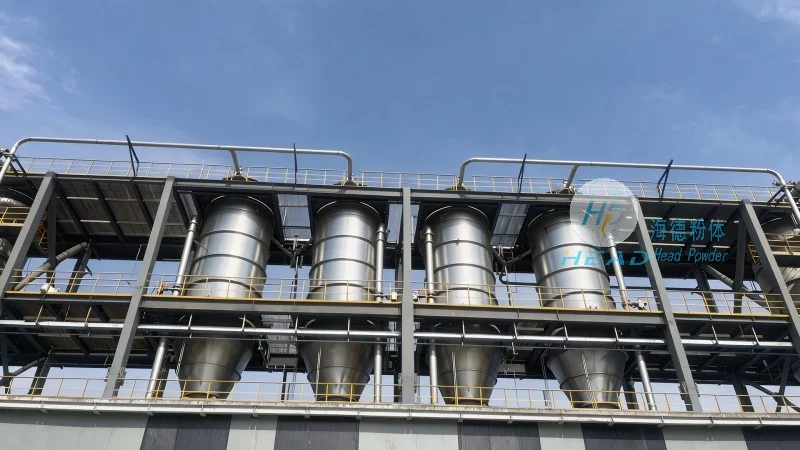
Company Profile and Expertise
Shandong HeadPowder Engineering Co., Ltd., commonly known as HeadPowder, is a professional manufacturer and supplier of advanced material conveying solutions. With a strong presence in the material handling industry, the company has established itself as a trusted partner for businesses requiring robust and customized conveying systems. HeadPowder's expertise lies in understanding the unique challenges associated with handling products like chili powder, which demands precise control over temperature, moisture, and particle flow to maintain product quality and integrity.
Key Components of Chili Powder Conveying Systems
The chili powder conveying system typically consists of several critical components that work in tandem to ensure smooth and efficient operation. These components include feeders, conveyors, dust collection systems, and control panels. Each component plays a vital role in the overall process, and their proper integration is essential for optimal performance.
Feeders are responsible for uniformly feeding the chili powder into the conveying system. They are designed to handle the material's bulk density and flow characteristics, ensuring a consistent and controlled feed rate. Common types of feeders used in chili powder conveying include screw feeders, vibratory feeders, and rotary valves, each offering advantages in terms of accuracy, capacity, and material compatibility.
Conveyors, such as belt conveyors or pneumatic conveying systems, are the core of the material transport process. Belt conveyors are widely used for horizontal and slight incline transport, providing a reliable method for moving chili powder from one location to another. Pneumatic conveying systems, on the other hand, use air pressure to transport the material through a network of pipes, making them suitable for long-distance or vertical transport while minimizing product contamination.
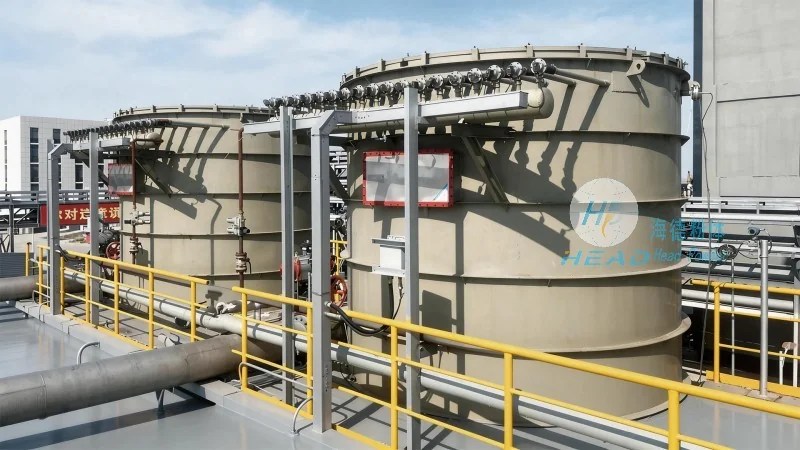
Dust collection systems are crucial for maintaining a clean and safe working environment, as chili powder is a fine, powdery material that can easily generate dust. These systems typically include cyclones, filters, and dust hoppers, which capture and remove airborne particles, preventing dust accumulation and ensuring compliance with safety regulations.
Control panels are used to monitor and regulate the entire conveying process. They allow operators to adjust parameters such as feed rate, conveyor speed, and air pressure, ensuring that the system operates within optimal conditions. Modern control panels often incorporate advanced features like digital displays, alarms, and data logging, enhancing the system's efficiency and reliability.
Operation Process of Chili Powder Material Conveying
The operation process of chili powder material conveying involves several sequential steps that ensure the material is transported safely and efficiently from the source to the destination. The process begins with the material being fed into the system by the feeder, which then moves the material into the conveyor section.
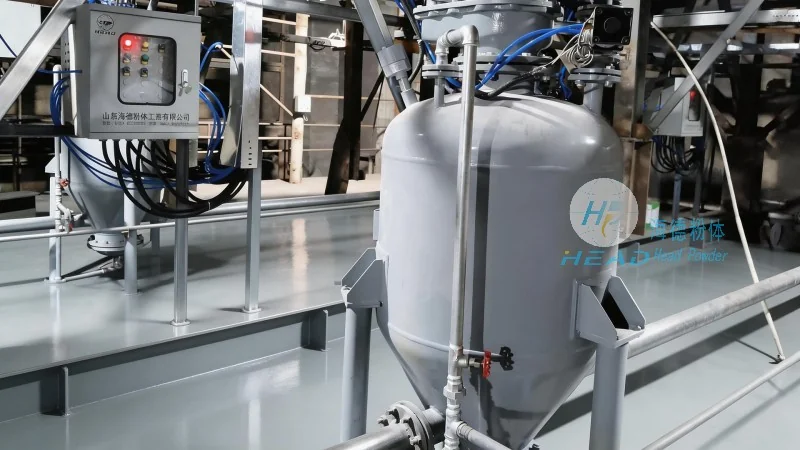
Once the material is in the conveyor, it is transported to the desired location. For belt conveyors, the material is carried by the moving belt and discharged at the end of the conveyor. For pneumatic systems, the material is carried by the air stream and discharged through a venturi or cyclone separator.
During the conveying process, it is essential to maintain proper temperature and moisture levels to prevent the chili powder from clumping or degrading. This is achieved through the use of temperature-controlled enclosures and moisture control mechanisms, which help preserve the product's quality and shelf life.
The material is then collected in a storage bin or processing unit, where it can be further processed or packaged. The entire process is monitored by the control panel, which provides real-time feedback on system performance and alerts operators to any issues that may arise.
Working Principle of Chili Powder Conveying Systems
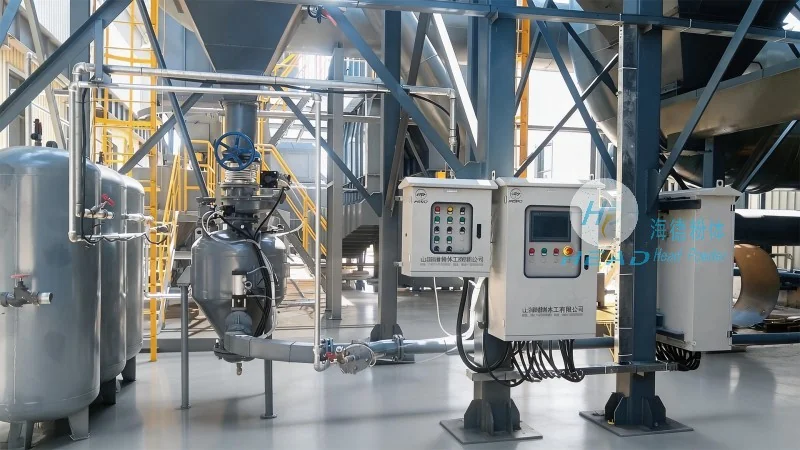
The working principle of chili powder conveying systems is based on the principles of fluidization and pneumatic transport. In pneumatic conveying, the material is suspended in a stream of air and transported through the system. The air pressure and velocity are carefully controlled to ensure that the material is carried without causing excessive wear or damage to the system components.
Fluidization is a key concept in the operation of some conveying systems, particularly those used for fine powders like chili powder. Fluidization involves introducing air or gas into the material bed, creating a fluid-like state where the particles are suspended and can be moved by the air stream. This method allows for efficient and gentle transport of the material, minimizing the risk of product degradation.
The control of air flow and pressure is critical to the system's performance. The system is designed to maintain a consistent air velocity, which ensures that the material is carried at a uniform rate. Any fluctuations in air pressure or velocity can lead to material buildup or blockages, which can disrupt the entire conveying process.
Additionally, the system incorporates safety features to prevent dust explosions and other hazards associated with handling fine powders. These features include explosion-proof components, dust suppression systems, and emergency shutdown mechanisms, which help ensure the safety of the operators and the integrity of the product.