

Operation Process and Working Principle of Pyrolysis Carbon Material Conveying Line
Shandong HeadPowder Engineering Co., Ltd. specializes in the design, manufacturing, and installation of advanced material handling systems, including the pyrolysis carbon material conveying line. This equipment is crucial for efficient transportation of carbonaceous materials produced during the pyrolysis process, ensuring smooth operation in industrial applications.
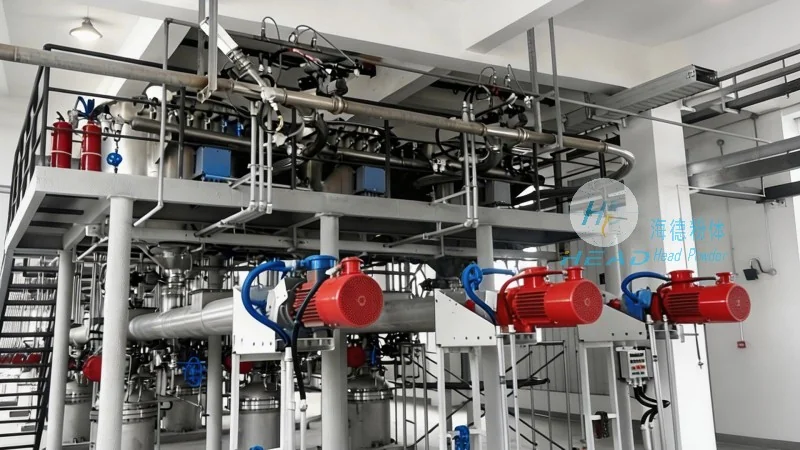
Working Principle of the Conveying Line
The pyrolysis carbon material conveying line operates based on a combination of mechanical and pneumatic principles. The system typically consists of a series of components, including feed hoppers, conveyor belts or screw conveyors, airlocks, and dust collection systems. The process begins with the carbon material being fed into the hopper from the pyrolysis reactor. The material then moves through the conveyor system, which may use gravity or mechanical force to transport it to the next processing stage. Airlocks are used to control the flow and prevent backflow, ensuring a continuous and controlled material transfer. Dust collection systems are integrated to manage particulate emissions, maintaining environmental compliance and operational safety.
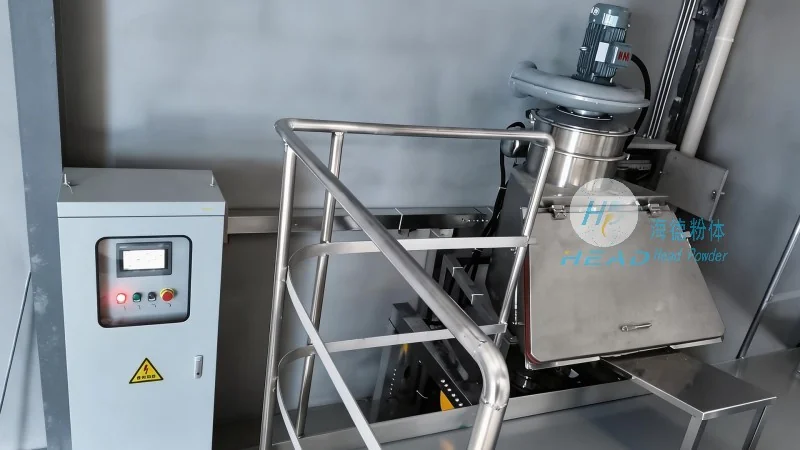
Operation Process of the Conveying Line
The operation of the pyrolysis carbon material conveying line involves several key steps. First, the pyrolysis reactor produces the carbon material, which is then discharged into the feed hopper. The hopper acts as a buffer, storing the material until it is ready to be conveyed. Next, the conveyor mechanism, such as a belt or screw conveyor, transports the material from the hopper to the storage silo or downstream processing equipment. The airlock system ensures that the material is released in controlled batches, preventing clogging and maintaining a steady flow. During operation, the dust collection system continuously filters the air, capturing any fine particles and directing them to a disposal or recycling system. The entire process is automated, with sensors and control systems monitoring the flow rate, pressure, and temperature to ensure optimal performance and safety.
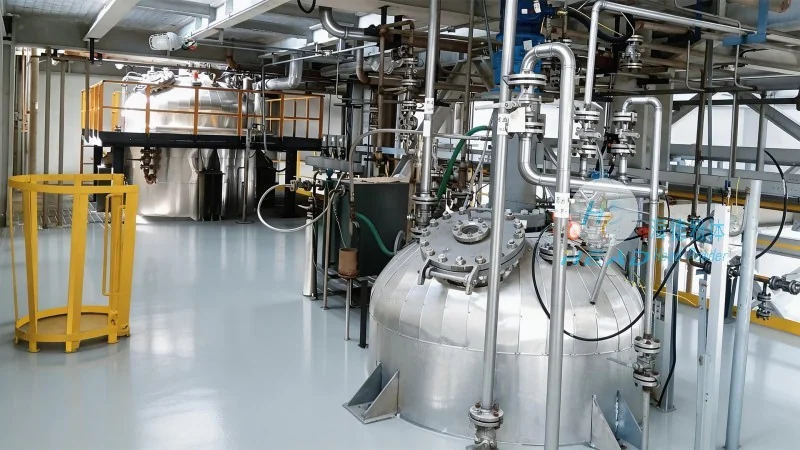
Key Components and Their Functions
Several critical components make up the pyrolysis carbon material conveying line, each playing a vital role in the overall operation. The feed hopper is designed to accommodate the bulk material and provide a consistent feed rate to the conveyor. The conveyor itself, whether a belt or screw type, is selected based on the material's properties, such as moisture content and particle size. Airlocks are essential for preventing material backflow and maintaining airtightness, which is crucial for dust control. The dust collection system, often a baghouse or cartridge filter, captures particulate matter and ensures compliance with environmental regulations. Additionally, control panels and sensors are integrated to monitor and adjust the system's performance in real-time, allowing for quick troubleshooting and maintenance.
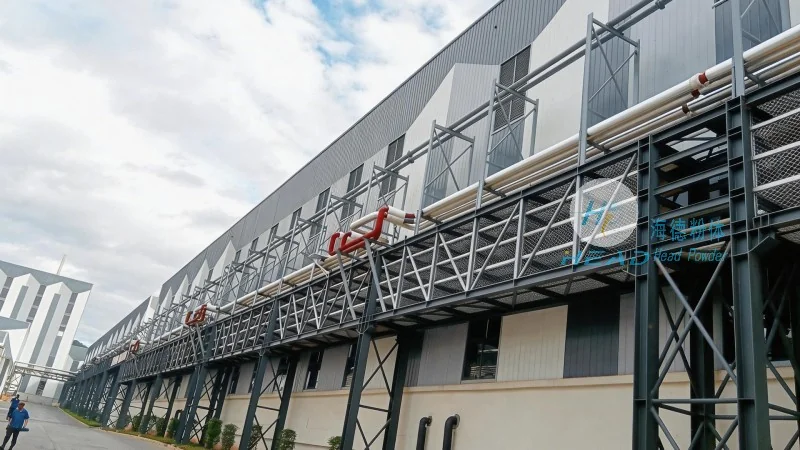
Benefits and Applications
The pyrolysis carbon material conveying line offers several advantages in industrial settings. It enhances operational efficiency by providing a continuous and reliable material transfer, reducing downtime and labor costs. The system's design minimizes material loss and contamination, ensuring high-quality output. Additionally, the integrated dust collection system improves workplace safety and environmental sustainability. These conveying lines are widely used in the production of activated carbon, carbon black, and other carbon-based products, where efficient material handling is critical to the overall process.