

Several Solutions for Polystyrene Pneumatic Conveying
Polystyrene, a widely used thermoplastic, often requires efficient material handling solutions for industrial applications. Pneumatic conveying offers a versatile method to transport polystyrene particles, and various systems are available to suit different operational needs. This article explores several effective solutions for polystyrene pneumatic conveying, highlighting key considerations and system configurations.
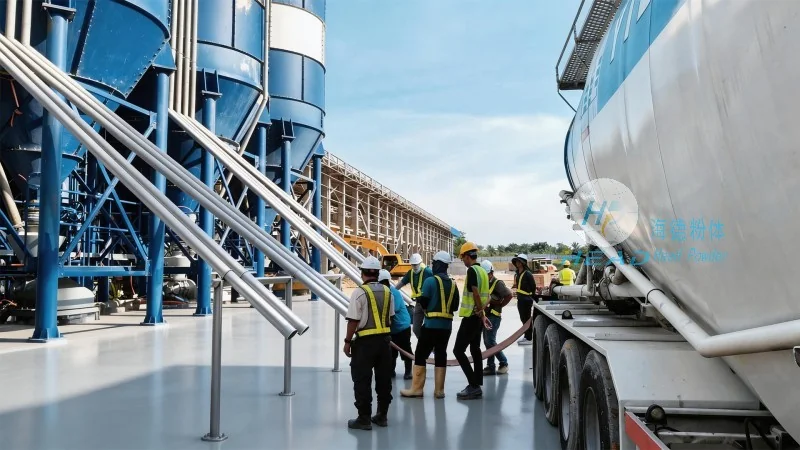
Understanding Polystyrene Pneumatic Conveying Systems
Before delving into specific solutions, it's essential to understand the fundamentals of pneumatic conveying. This technology uses air or gas to move bulk materials through a pipeline. For polystyrene, which is lightweight and can be prone to static, the choice of system design is critical to ensure reliable and efficient transport. Key factors include material properties, required conveying distance, and the desired flow rate.
Option 1: Dilute Phase Pneumatic Conveying
Dilute phase systems are commonly used for polystyrene due to their ability to handle long distances and moderate flow rates. In this method, the material is suspended in a high-velocity air stream, allowing it to travel through the pipeline. The system typically includes a feed hopper, a rotary airlock valve, and a receiver. This approach is suitable for applications where the conveying distance exceeds 100 meters and the material is relatively dry. The dilute phase system minimizes material buildup and reduces the risk of blockages, making it ideal for continuous operations.
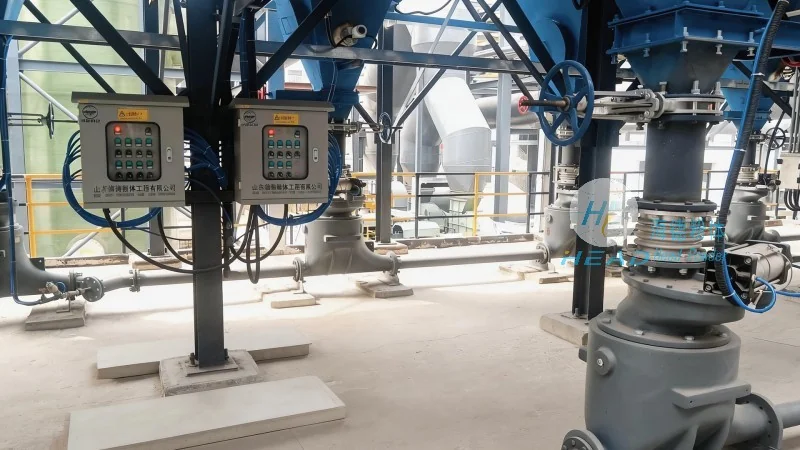
Option 2: Dense Phase Pneumatic Conveying
Dense phase systems are preferred when the polystyrene needs to be conveyed over shorter distances or when the material is more sensitive to pressure changes. This method involves a lower air velocity and higher material concentration, creating a dense slurry-like flow. The system uses a positive displacement blower or compressor to maintain pressure, ensuring the material moves steadily without segregation. Dense phase conveying is particularly effective for handling polystyrene that is prone to degradation or contamination, as it reduces the impact of air exposure on the material.
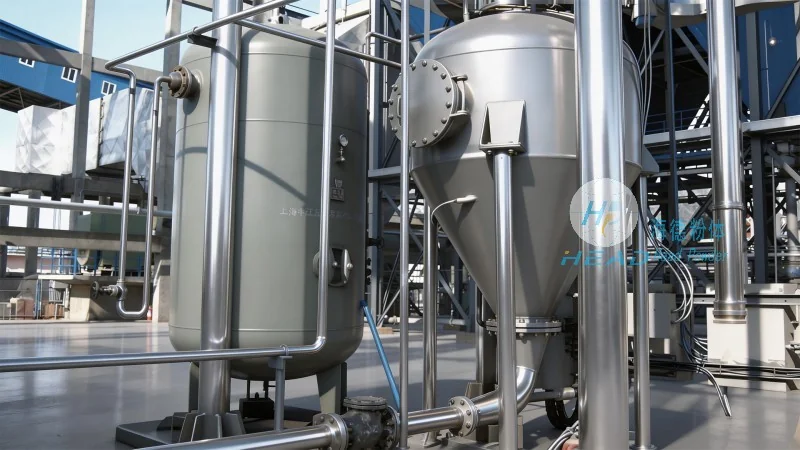
Option 3: Hybrid Pneumatic Conveying Systems
Hybrid systems combine elements of both dilute and dense phase technologies to offer flexibility and adaptability. These systems can switch between modes based on operational requirements, such as varying conveying distances or material characteristics. For example, a hybrid system might use a dilute phase for the initial transport and then transition to a dense phase for the final delivery. This approach is beneficial for complex industrial setups where different sections of the pipeline may require different conveying conditions. The hybrid system allows for optimized energy use and material handling, making it a cost-effective solution for many applications.
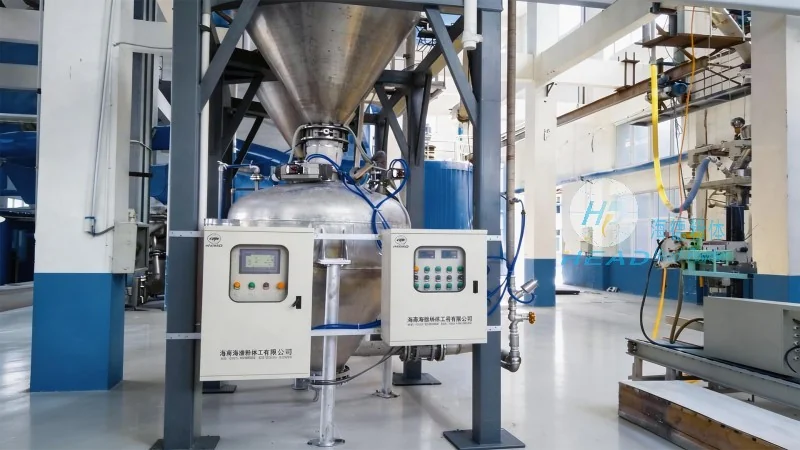
Key Considerations for Polystyrene Pneumatic Conveying
When selecting a pneumatic conveying solution for polystyrene, several factors must be considered to ensure optimal performance. First, the material's particle size and density play a significant role in determining the system's design. Polystyrene particles can vary in size, and smaller particles may require higher air velocities to maintain suspension. Second, the presence of moisture or contaminants can affect the material's flow properties and may necessitate additional equipment, such as dryers or filters. Third, the conveying distance and elevation changes must be accounted for, as these can impact the required air pressure and system components. Finally, the system's maintenance and operational costs should be evaluated to ensure long-term efficiency and reliability.
HeadPowder Engineering: Your Partner in Polystyrene Pneumatic Conveying Solutions
Shandong HeadPowder Engineering Co., Ltd., a leading provider of material handling solutions, specializes in designing and manufacturing customized pneumatic conveying systems for polystyrene and other bulk materials. With years of experience in the industry, HeadPowder understands the unique challenges associated with polystyrene transport and offers tailored solutions to meet specific operational needs. The company's team of engineers works closely with clients to assess their requirements, from initial material analysis to final system installation and maintenance. By leveraging advanced technology and robust engineering principles, HeadPowder ensures that its systems deliver reliable performance, high efficiency, and minimal downtime. Whether you need a dilute phase, dense phase, or hybrid system, HeadPowder provides comprehensive support, from design and manufacturing to after-sales service. With a commitment to quality and customer satisfaction, HeadPowder is the ideal partner for all your polystyrene pneumatic conveying needs.