

Several Solutions for the Pneumatic Conveying of Sodium Stearate
When it comes to the efficient handling and transportation of sodium stearate, a variety of pneumatic conveying solutions are available. These methods are designed to optimize the process, ensuring minimal product degradation and maximizing operational efficiency. The following sections outline several effective approaches for pneumatic conveying of sodium stearate, highlighting the technical aspects and practical applications.
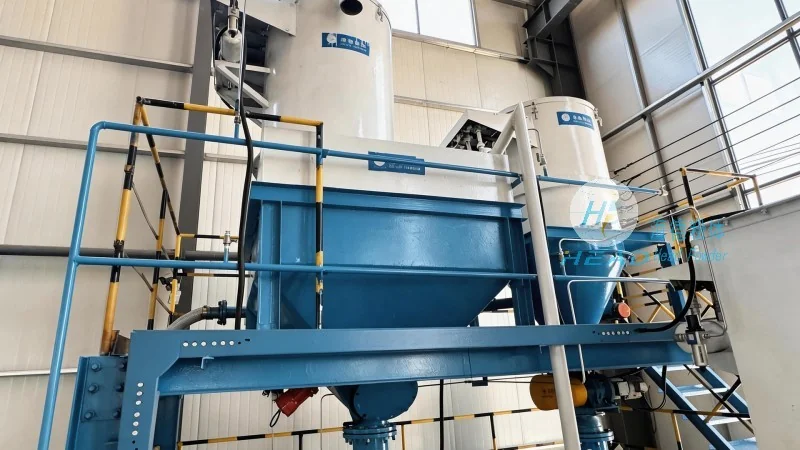
Understanding Pneumatic Conveying Systems
Pneumatic conveying systems utilize air or other gases to transport bulk materials like sodium stearate through a pipeline. This method offers advantages such as reduced equipment wear, lower energy consumption compared to mechanical systems, and the ability to handle materials that are difficult to convey mechanically. The core components of a pneumatic conveying system typically include a material feeder, a conveying line, a separator, and a receiver. The choice of system depends on factors like the material's properties, the required conveying distance, and the desired flow rate.
Positive Displacement Pneumatic Conveying
Positive displacement systems are commonly used for the pneumatic conveying of sodium stearate, especially when dealing with materials that have high moisture content or are prone to caking. In this method, a pump or compressor creates a pressure differential that forces the material through the pipeline. The most common types include rotary lobe blowers and piston pumps. These systems provide consistent flow rates and are effective for both dilute and dense phase conveying. For sodium stearate, a rotary lobe blower is often preferred due to its ability to handle abrasive materials without significant wear. The system operates by trapping a fixed volume of material and then forcing it forward with each rotation, ensuring a steady stream of product.
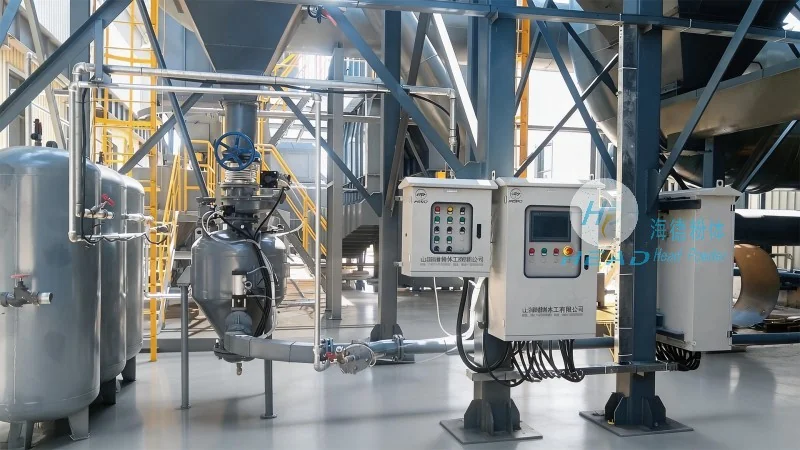
Pressure-Driven Pneumatic Conveying
Pressure-driven systems rely on compressed air to transport sodium stearate. This approach is suitable for shorter conveying distances and when the material is in a dry, free-flowing state. The system typically consists of a pressure vessel, a material hopper, and a conveying line. The compressed air is introduced into the vessel, creating a pressure that pushes the material through the line. This method is efficient for low to medium flow rates and is commonly used in industries where the material is already in a well-mixed state. The key advantage is the simplicity of the design, which reduces maintenance requirements. However, it may not be as effective for long-distance conveying or when dealing with materials that have high bulk density.
Vacuum-Assisted Pneumatic Conveying
Vacuum-assisted systems use a vacuum to draw sodium stearate from a source and transport it to a destination. This method is particularly useful for applications where the material needs to be conveyed from a lower elevation to a higher one or when the source is located in a confined space. The system includes a vacuum pump, a material hopper, and a conveying line. The vacuum creates a pressure differential that pulls the material into the line. This approach is ideal for handling fine powders and granules, as the vacuum helps to prevent material degradation and loss. The flow rate in vacuum systems is generally lower than in pressure systems, but it is sufficient for many industrial applications. The design of the system must consider the vacuum level and the material's flow characteristics to ensure reliable operation.
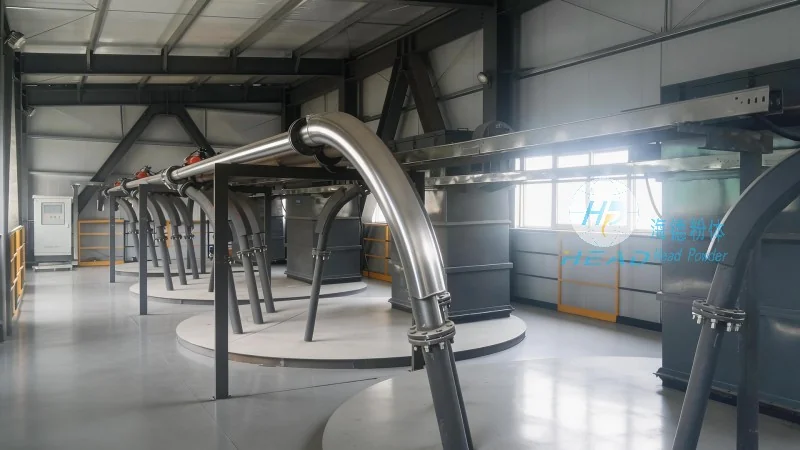
Selection Criteria for Pneumatic Conveying Solutions
The selection of the most appropriate pneumatic conveying solution for sodium stearate depends on several factors. The first consideration is the material's physical properties, such as particle size, bulk density, and moisture content. For example, fine powders may require a different system than coarse granules. The conveying distance is another critical factor; longer distances may necessitate pressure-driven systems with higher air pressure, while shorter distances can use vacuum-assisted systems. The required flow rate also plays a role, as some systems are better suited for high-volume applications. Additionally, the operational environment, including space constraints and maintenance capabilities, should be evaluated. For instance, a rotary lobe blower system may be preferred in a plant with limited space due to its compact design. The cost of the system, including initial investment and ongoing maintenance, is also a key consideration. Companies like Shandong HeadPowder Engineering Co., Ltd., based in China, offer expertise in designing and implementing these systems, ensuring that the chosen solution meets the specific needs of the client.
Conclusion
In conclusion, several effective pneumatic conveying solutions are available for the transportation of sodium stearate. Each method has its advantages and is suitable for different operational conditions. Positive displacement systems provide consistent flow rates and are ideal for handling abrasive materials. Pressure-driven systems are efficient for shorter distances and dry materials, while vacuum-assisted systems are useful for conveying materials from lower to higher elevations. The selection of the best solution depends on a thorough analysis of the material's properties, the conveying distance, and the operational requirements. By considering these factors, industries can optimize their material handling processes, reducing downtime and improving overall efficiency. Shandong HeadPowder Engineering Co., Ltd. specializes in providing tailored pneumatic conveying solutions that meet the unique needs of their clients, ensuring reliable and efficient operation of sodium stearate handling systems.