

Introduction to Sorghum Pneumatic Conveying Equipment: Structure and Working Principle
High-quality sorghum pneumatic conveying equipment is a critical component in modern agricultural processing and material handling systems. As a specialized machinery solution, this equipment efficiently transports sorghum grains from storage silos or processing facilities to various processing stages, such as cleaning, drying, or packaging. The technology behind pneumatic conveying leverages air pressure to move bulk materials, offering advantages like reduced labor costs, improved hygiene, and enhanced operational efficiency compared to traditional mechanical conveyors.
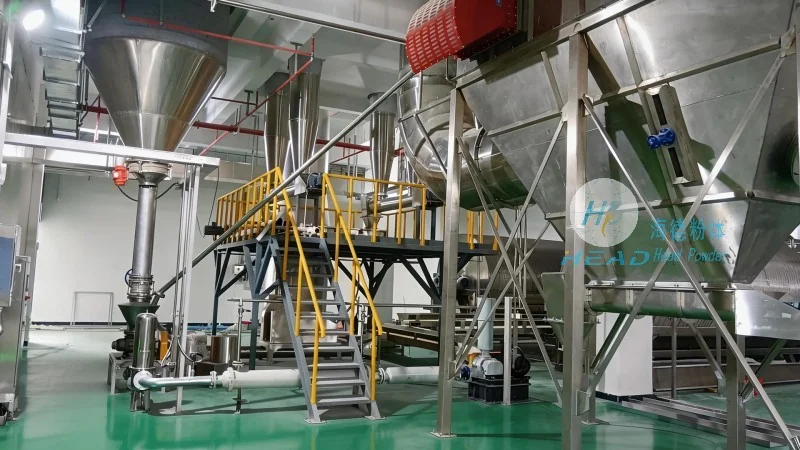
HeadPowder, a leading manufacturer based in Shandong, China, specializes in the design, development, and production of advanced pneumatic conveying systems tailored for agricultural applications. With a strong commitment to innovation and precision engineering, the company has established itself as a trusted partner for businesses in the grain processing industry. The company’s headquarters and primary operations are located in Shandong, China, where it leverages local resources and expertise to deliver high-performance equipment that meets international standards.
Key Structural Components of Sorghum Pneumatic Conveying Equipment
The sorghum pneumatic conveying system typically consists of several core components that work in tandem to ensure reliable and efficient material transport. These components include the hopper, which serves as the material storage and feeding unit, and the conveyor pipeline, which is responsible for transporting the sorghum through the system. The hopper is equipped with a feeding mechanism, such as a rotary valve or a screw feeder, that controls the flow of sorghum into the pipeline. This mechanism ensures a consistent and controlled feed rate, preventing blockages and maintaining system stability.
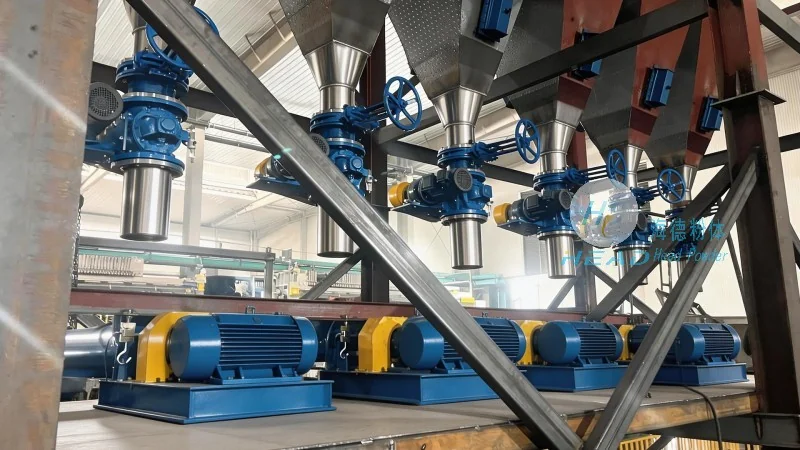
At the heart of the system is the air compressor, which generates the necessary air pressure to move the sorghum through the pipeline. The compressor is connected to the pipeline via a series of fittings and valves that regulate air flow and pressure. The pipeline itself is made of durable materials, such as stainless steel or high-density polyethylene, to withstand the abrasive nature of sorghum grains and the constant pressure of air flow. Additionally, the system includes a filter and separator unit, which removes dust and other impurities from the air before it is discharged, ensuring compliance with environmental regulations and maintaining equipment longevity.
Working Principle of the Pneumatic Conveying Process
The operation of the sorghum pneumatic conveying equipment follows a systematic process that begins with material loading into the hopper. The feeding mechanism then introduces the sorghum into the pipeline, where it is carried by a stream of high-pressure air. The air flow creates a negative pressure in the pipeline, drawing the sorghum particles along with it. As the material travels through the system, it passes through various sections, including bends and vertical risers, which are designed to maintain the flow without causing excessive pressure drops or material degradation.
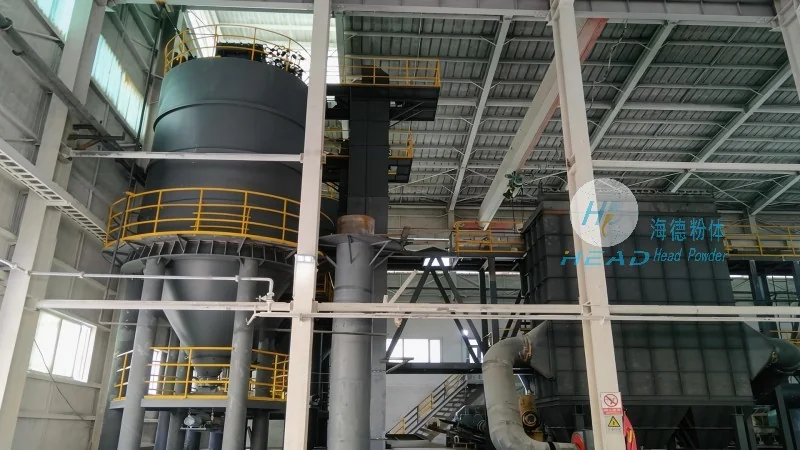
Upon reaching the destination point, such as a processing unit or a storage silo, the sorghum is discharged through a control valve or a rotary valve. The air, now mixed with the sorghum, is then filtered and separated to remove the grains, allowing the clean air to be recirculated or discharged safely. This closed-loop system minimizes material loss and ensures that the air is properly treated before release, contributing to both operational efficiency and environmental sustainability.
Advantages of Using Sorghum Pneumatic Conveying Equipment
Compared to traditional mechanical conveyors, sorghum pneumatic conveying equipment offers several distinct advantages that make it a preferred choice for modern grain processing operations. One of the primary benefits is the ability to handle a wide range of material characteristics, including different grain sizes, moisture contents, and impurity levels. The flexible design of the system allows for easy adaptation to varying production needs, making it suitable for both small-scale and large-scale processing facilities.
Another key advantage is the improved hygiene and sanitation provided by pneumatic conveying. Since the material is transported in an enclosed system, there is minimal exposure to external contaminants, reducing the risk of spoilage and contamination. This is particularly important for sorghum, which is often used in food processing applications where product quality and safety are paramount. Additionally, the system reduces labor requirements by automating the material handling process, allowing operators to focus on other critical tasks.
The energy efficiency of pneumatic conveying systems is also a significant benefit. By using air pressure to move materials, the system consumes less energy compared to mechanical conveyors that rely on motors and belts. This not only reduces operational costs but also contributes to lower carbon emissions, aligning with the growing demand for sustainable industrial practices. Furthermore, the compact design of the equipment allows for efficient use of space in processing facilities, making it ideal for facilities with limited floor area.
Applications and Customization Options
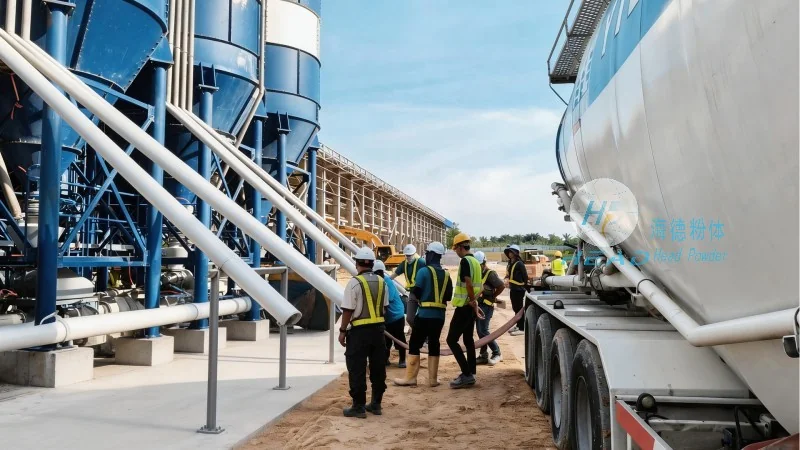
Sorghum pneumatic conveying equipment is widely used in various applications within the agricultural and food processing industries. Common applications include the transport of sorghum from storage silos to processing lines, the transfer of grains between different processing stages, and the loading of trucks or containers for distribution. The versatility of the system makes it suitable for a range of industries, including grain milling, animal feed production, and biofuel processing.