

Design Considerations for Sodium Hypochlorite Pneumatic Conveying System Solutions
When designing a sodium hypochlorite pneumatic conveying system, several key factors must be considered to ensure efficient and reliable operation. This document outlines the essential design considerations for such systems, focusing on the technical and practical aspects that contribute to successful implementation.
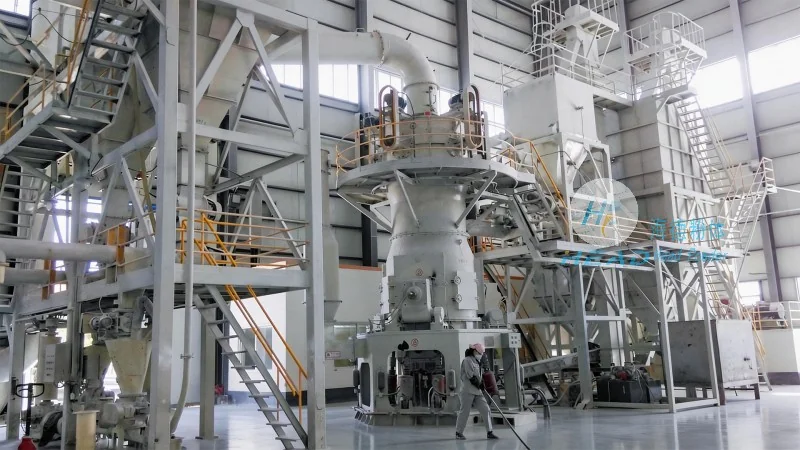
Company Overview: Shandong HeadPowder Engineering Co., Ltd.
Headpowder, a leading engineering firm based in Shandong, China, specializes in the design and implementation of advanced material handling solutions. With years of experience in the chemical processing industry, Headpowder provides comprehensive services tailored to meet the unique needs of clients in various sectors.
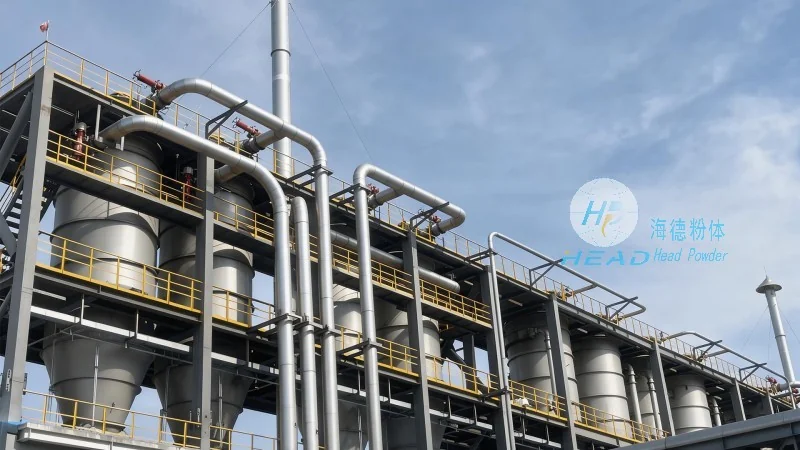
Key Design Considerations for Pneumatic Conveying Systems
The design of a sodium hypochlorite pneumatic conveying system involves multiple critical components and parameters. Proper selection of these elements is crucial for maintaining system performance, safety, and longevity. Key considerations include:
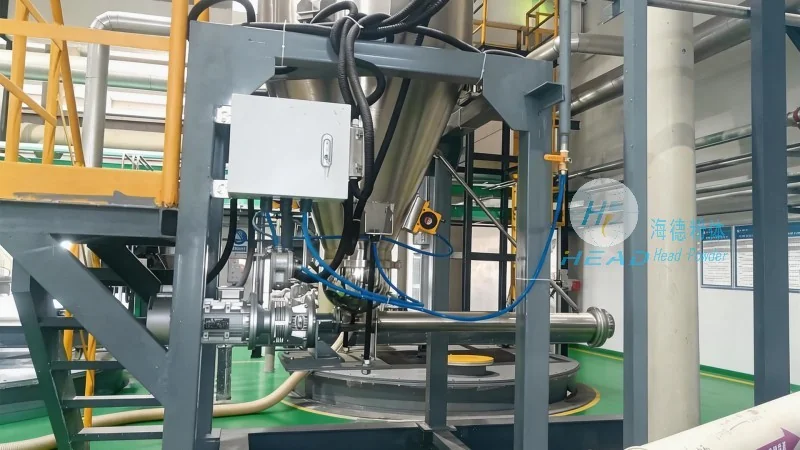
- System Capacity and Flow Rate Requirements: Determining the appropriate air velocity and material flow rate to ensure efficient transport without excessive pressure drop.
- Material Properties: Analyzing the physical characteristics of sodium hypochlorite, such as particle size, density, and moisture content, to select the most suitable conveying method (e.g., dilute phase or dense phase).
- Air Compressor Selection: Choosing the right type and size of air compressor to provide sufficient pressure and airflow while minimizing energy consumption.
- Piping and Fittings: Designing the pipeline layout with appropriate pipe diameters, elbows, and other fittings to reduce friction losses and prevent material buildup.
- Control Systems: Implementing advanced control systems to monitor and regulate system parameters, ensuring safe and stable operation.
System Integration and Safety Measures
Integrating the sodium hypochlorite pneumatic conveying system with existing plant infrastructure requires careful planning to avoid disruptions and ensure compliance with safety regulations. Safety measures include:
- Pressure Relief Valves: Installing pressure relief valves to prevent over-pressurization and protect equipment from damage.
- Material Handling Safety: Implementing proper handling procedures to minimize the risk of exposure to sodium hypochlorite, a chemical with potential health hazards.
- Environmental Controls: Incorporating dust collection and filtration systems to comply with environmental regulations and maintain air quality.
Installation and Commissioning Process
The installation and commissioning of a pneumatic conveying system involve several steps to ensure optimal performance. Headpowder follows a systematic approach, including:
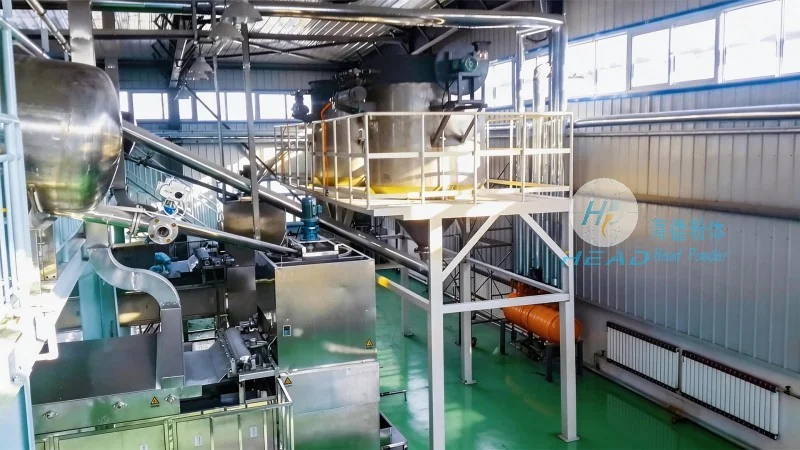
- Site Assessment and Layout Planning: Conducting on-site evaluations to determine the best system layout and identify potential obstacles.
- Component Procurement and Fabrication: Sourcing high-quality components and fabricating custom parts as needed to meet specific requirements.
- System Assembly and Testing: Assembling the system and conducting thorough testing to verify performance and identify any issues before final commissioning.
- Training and Documentation: Providing training to plant personnel on system operation and maintenance, and delivering comprehensive documentation for future reference.
Benefits of Professional System Design
Engaging a specialized engineering firm like Headpowder for the design of a sodium hypochlorite pneumatic conveying system offers several advantages. These include: