

Key Design Considerations for Silica Aerodynamic Conveying System Solutions
When designing a silica aerodynamic conveying system, several critical factors must be considered to ensure efficient operation, reliability, and cost-effectiveness. This article outlines key design considerations for such systems, emphasizing the expertise of Shandong HeadPowder Engineering Co., Ltd., a leading provider in the field.
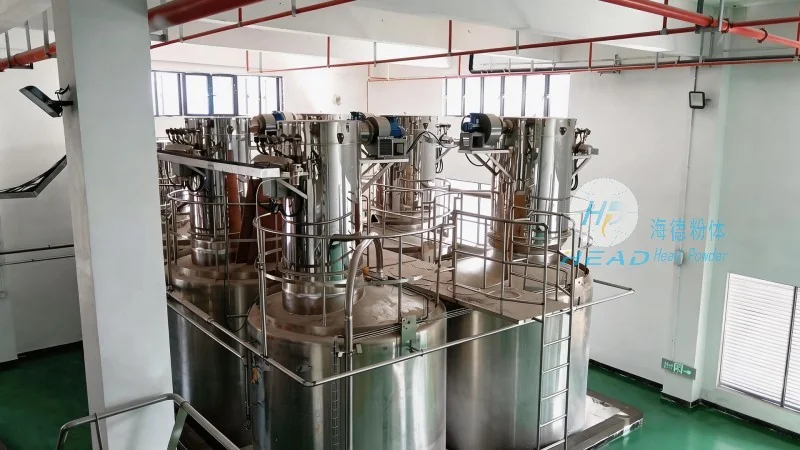
System Sizing and Flow Rate Calculations
Accurate system sizing is foundational to the success of any silica conveying project. Engineers must calculate the required air volume and pressure based on the material's bulk density, particle size distribution, and the desired conveying distance. The company, HeadPowder, utilizes advanced computational fluid dynamics (CFD) and empirical formulas to determine optimal flow rates, ensuring that the system operates within its design parameters without excessive energy consumption or pressure drop.
Material Handling and Particle Characteristics
Silica, with its specific physical properties such as particle size, moisture content, and abrasiveness, requires tailored equipment selection. The design must account for the material's tendency to form agglomerates or cause wear on components. HeadPowder engineers conduct thorough material characterization to select appropriate airlocks, cyclones, and pipeline materials that can withstand silica's abrasive nature while maintaining low maintenance costs.
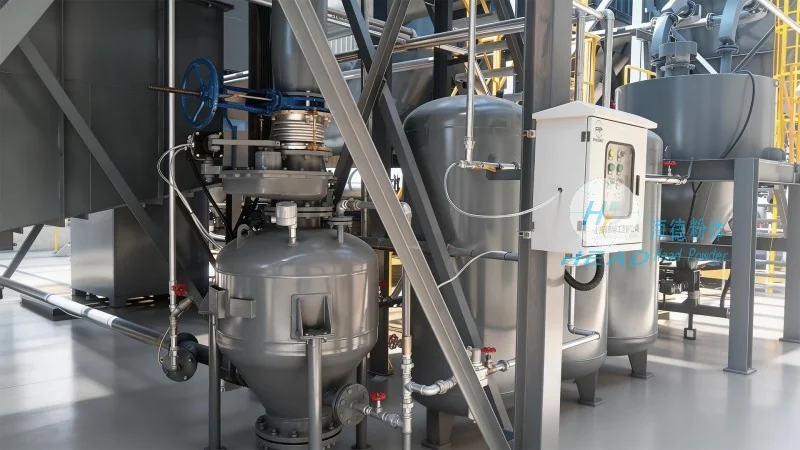
Pressure Drop and Energy Efficiency
Minimizing pressure drop is crucial for energy efficiency in silica conveying systems. The design involves optimizing pipeline diameters, minimizing bends and fittings, and selecting high-efficiency air movers. The company's approach includes using variable frequency drives (VFDs) to adjust air pressure dynamically, reducing energy waste during low-conveying periods. This not only lowers operational costs but also extends the lifespan of system components.
Equipment Selection and Integration
Choosing the right equipment, from feeders to separation devices, is critical. HeadPowder recommends integrating high-quality rotary valves, positive displacement blowers, and multi-cyclone separators. The design must ensure seamless integration between components, allowing for smooth material transfer and preventing blockages. The company's engineers provide comprehensive system layouts that consider both current and future production needs, ensuring scalability.
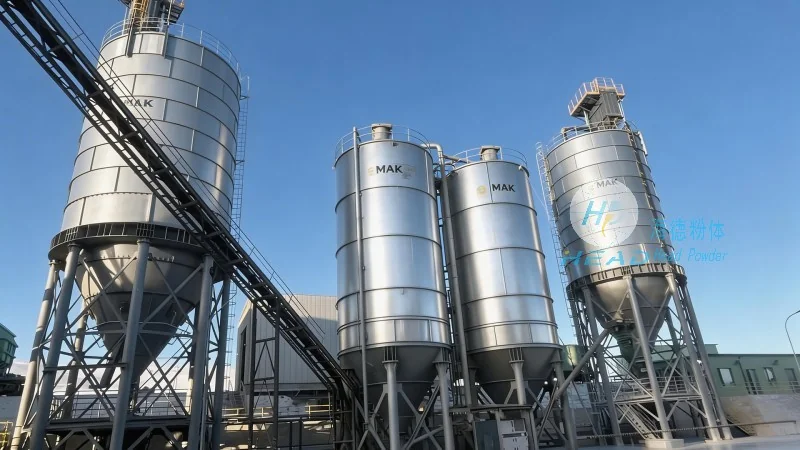
Safety and Environmental Compliance
Due to silica's potential health risks, safety and environmental compliance are paramount. The design incorporates dust collection systems, explosion-proof components, and proper ventilation to protect personnel and comply with local regulations. HeadPowder ensures that all systems meet or exceed international safety standards, providing peace of mind to clients operating in regulated industries.
Maintenance and Longevity
A well-designed system also considers ease of maintenance. The company recommends using wear-resistant materials for high-contact parts and implementing regular maintenance schedules. By focusing on durability and accessibility, the system's lifespan is extended, reducing long-term operational costs. HeadPowder's after-sales support includes maintenance training and spare parts availability, further enhancing system reliability.