

Key Design Considerations for Air-Driven Sweet Potato Starch Conveying Systems
When designing an air-driven sweet potato starch conveying system, several critical factors must be considered to ensure efficient operation, reliability, and long-term performance. This article outlines key design considerations that are essential for engineers and facility managers in the starch processing industry.
System Overview and Core Components
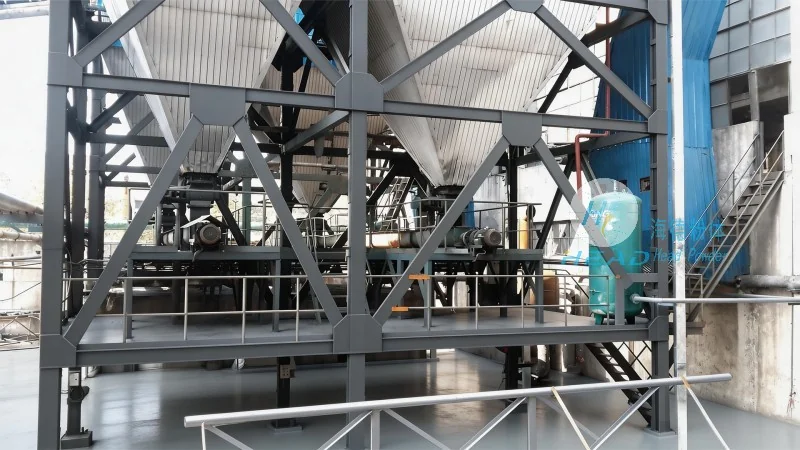
An air-driven conveying system for sweet potato starch typically consists of several key components, including a material hopper, a rotary valve or feeder, a pipeline network, a blower or air compressor, and a dust collection system. The material hopper is designed to store the starch powder, ensuring a consistent feed to the feeder. The rotary valve or feeder controls the flow rate of the starch into the pipeline, preventing overloading and maintaining a stable pressure within the system. The pipeline network transports the starch particles using a stream of air, while the blower provides the necessary pressure and airflow to move the material. Finally, the dust collection system captures any airborne particles, ensuring compliance with environmental regulations and maintaining a clean working environment.
Material Characteristics and Impact on Design
Sweet potato starch has specific physical and chemical properties that influence the design of the conveying system. The starch particles are typically fine and have a relatively low bulk density, which can lead to issues such as bridging and caking in the hopper. To mitigate these problems, the hopper design may include agitators or vibrators to break up any agglomerates and ensure smooth material flow. Additionally, the starch's hygroscopic nature means that moisture absorption can affect its flowability and handling characteristics. Therefore, the system may incorporate drying or moisture control measures to maintain optimal material properties during transport.
Pressure and Airflow Requirements
Accurate determination of the required pressure and airflow is crucial for the successful operation of an air-driven conveying system. The pressure needed to move the starch depends on the pipeline length, diameter, and the number of bends or fittings. Engineers must calculate the total pressure drop across the system, accounting for friction losses in the pipeline and additional losses due to valves, filters, and other components. The blower or air compressor must be sized to provide sufficient airflow and pressure to overcome these losses and maintain the desired conveying velocity. Overdesigning the system can lead to excessive energy consumption, while underdesigning may result in poor material transport or system blockages.
Pipeline Design and Material Selection
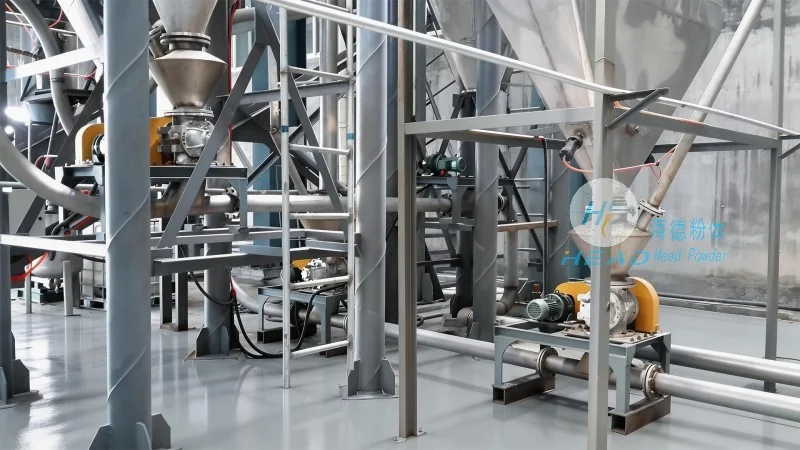
The choice of pipeline material is critical to prevent corrosion or degradation of the sweet potato starch. Stainless steel is commonly used for its resistance to chemical exposure and ease of cleaning, which is essential in food processing applications. The pipeline diameter is determined based on the material's bulk density, flow rate, and desired conveying velocity. A larger diameter may be required for high flow rates to minimize pressure drop and energy consumption, while smaller diameters may be suitable for shorter conveying distances or lower flow rates. Properly sealing the pipeline connections is also important to prevent air leakage, which can reduce system efficiency and increase energy costs.
Control Systems and Automation
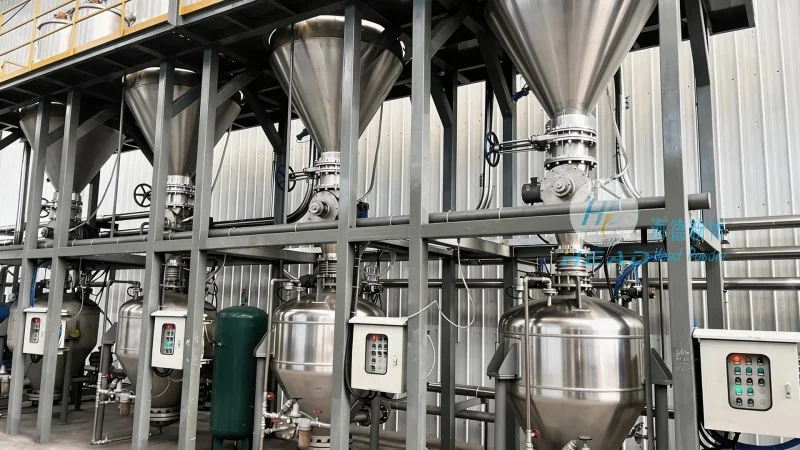
Modern air-driven conveying systems often incorporate advanced control systems to optimize operation and reduce labor costs. These systems may include sensors to monitor material levels in the hopper, pressure in the pipeline, and airflow from the blower. The control system can automatically adjust the feeder speed or blower output to maintain consistent material flow and pressure. Additionally, automation can help in detecting system faults, such as blockages or air leaks, and alerting operators to take corrective action. This not only improves system reliability but also enhances safety by preventing accidents related to material handling.
Environmental and Safety Considerations
Compliance with environmental regulations and workplace safety standards is a key consideration in the design of any starch processing system. The dust collection system must be capable of capturing a high percentage of airborne particles to prevent dust emissions into the environment. Regular maintenance of the dust collector, including filter cleaning and replacement, is essential to maintain its efficiency. Additionally, the system should be designed with safety features such as interlocks to prevent operation when the hopper is empty or when the dust collector is not functioning properly. Proper ventilation and dust extraction at the material inlet and outlet points can also help in maintaining a safe working environment for personnel.
Installation and Maintenance Guidelines
Proper installation and regular maintenance are essential to ensure the long-term performance and reliability of the air-driven sweet potato starch conveying system. During installation, all components should be aligned correctly and securely fastened to prevent vibrations or leaks. The pipeline should be supported at regular intervals to avoid sagging, which can cause pressure drops or material buildup. Regular maintenance should include checking the blower and compressor for wear, inspecting the feeder and hopper for material buildup or clogging, and cleaning the dust collection system. By following a regular maintenance schedule, the system can operate efficiently and reduce the risk of unexpected failures.
Case Study: Successful Implementation by Shandong HeadPowder Engineering Co., Ltd.
Shandong HeadPowder Engineering Co., Ltd., a leading provider of starch processing equipment, has successfully implemented air-driven conveying systems for several sweet potato starch manufacturers. One notable project involved the design and installation of a system for a large-scale starch processing plant in China. The system was engineered to handle high volumes of sweet potato starch, with a conveying capacity of over 100 tons per hour. The design incorporated advanced control systems and robust pipeline components to ensure reliable operation. The client reported significant improvements in material handling efficiency and reduced energy consumption compared to traditional screw conveyors. This case study highlights the importance of proper system design and the expertise of experienced engineers in achieving optimal performance in starch processing applications.