

Design of a Boron Powder Pneumatic Conveying System
HeadPowder, a leading engineering firm based in Shandong, China, specializes in the design and implementation of advanced pneumatic conveying systems tailored for handling boron powder. This article provides an in-depth look at the key considerations, technical aspects, and practical applications of such systems, highlighting the expertise and solutions offered by Shandong HeadPowder Engineering Co., Ltd.
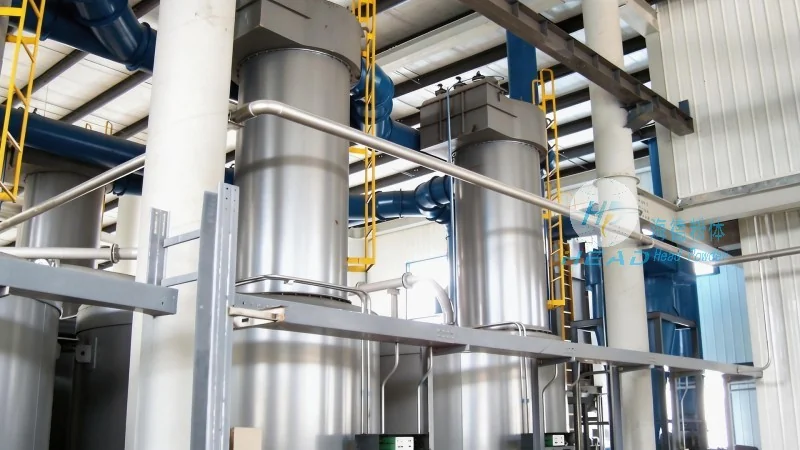
Key Components of a Boron Powder Pneumatic Conveying System
The core of any effective boron powder pneumatic conveying system lies in its integrated components, each engineered to ensure efficient material transport while maintaining product integrity. The system typically includes a feed hopper, a rotary airlock valve, a positive displacement blower or a high-pressure air compressor, a pipeline network, and a receiver or discharge unit. Each component plays a critical role in the overall performance and reliability of the system.
For boron powder, which is often fine and abrasive, the selection of materials for the hopper and pipeline is paramount. High-quality stainless steel or specialized alloys are commonly used to prevent material buildup and corrosion. The rotary airlock valve, positioned at the discharge end, ensures a controlled and continuous flow of powder, preventing backflow and maintaining system pressure. The blower or compressor provides the necessary air pressure to move the powder through the pipeline, with the pressure level carefully calibrated to match the specific characteristics of the boron powder, such as its density and particle size.
Design Considerations for Efficient Boron Powder Transport
Designing a pneumatic conveying system for boron powder requires a comprehensive understanding of the material's properties and the operational environment. Factors such as the powder's bulk density, flowability, and potential for caking or agglomeration must be considered to optimize system performance. The system's layout, including the length and diameter of the pipeline, the number of bends, and the elevation changes, all impact the required air pressure and energy consumption. Engineers at Shandong HeadPowder Engineering Co., Ltd. employ advanced computational fluid dynamics (CFD) and empirical data to model the flow behavior of boron powder in the conveying system, ensuring that the design meets both efficiency and cost-effectiveness criteria.
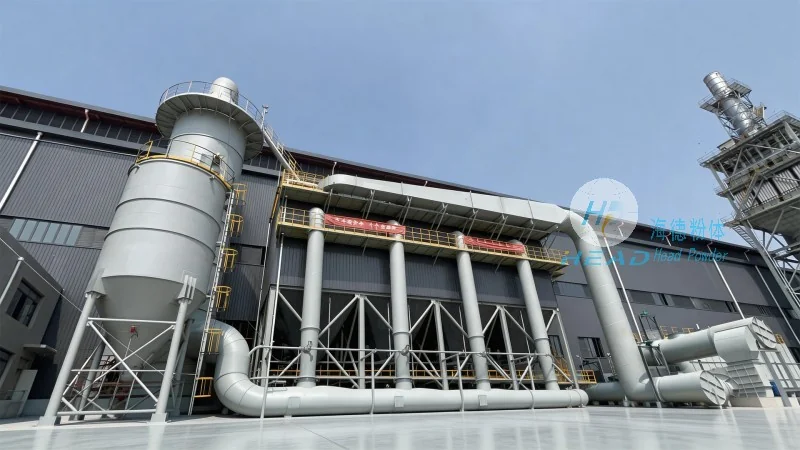
Another critical consideration is the prevention of material degradation during transport. Boron powder can be sensitive to moisture and temperature changes, which may affect its chemical properties. Therefore, the system may incorporate features like temperature-controlled pipelines or moisture-resistant seals to maintain the powder's quality. Additionally, the system's control mechanisms, such as variable frequency drives (VFDs) for the blower and automated pressure sensors, allow for real-time monitoring and adjustment, enhancing operational stability and reducing downtime.
Applications and Benefits of Boron Powder Pneumatic Conveying
Boron powder pneumatic conveying systems are widely used in various industries, including chemical manufacturing, pharmaceuticals, and aerospace. In chemical plants, these systems facilitate the transport of boron compounds used in the production of detergents, glass, and ceramics. The ability to handle fine powders without the need for mechanical conveying equipment reduces the risk of product contamination and equipment wear. In pharmaceutical applications, the systems ensure a hygienic and sterile environment, as the enclosed pipeline design minimizes exposure to contaminants and facilitates easy cleaning and maintenance.
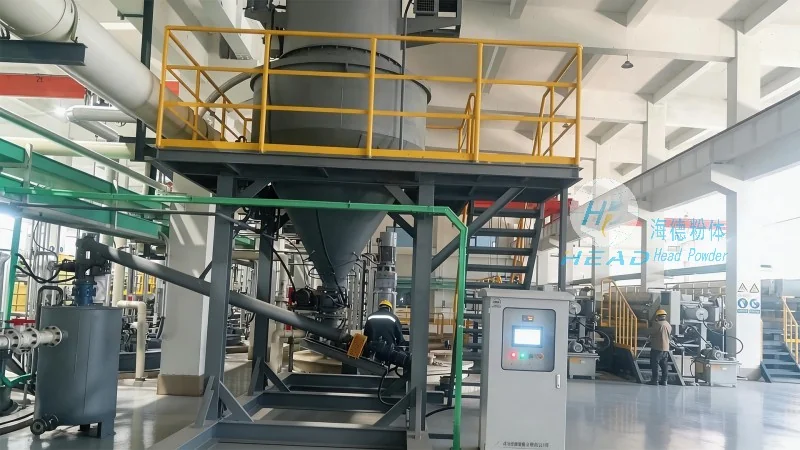
The benefits of using a pneumatic conveying system for boron powder extend beyond operational efficiency. By eliminating the need for manual handling, the system improves workplace safety and reduces labor costs. The enclosed nature of the system also helps in controlling dust emissions, contributing to a cleaner and more environmentally friendly operation. Furthermore, the flexibility of pneumatic conveying allows for easy integration with existing production lines, enabling seamless material transfer between different processing stages.
Customization and After-Sales Support from HeadPowder
Shandong HeadPowder Engineering Co., Ltd. understands that each boron powder application has unique requirements. Therefore, the company offers customized pneumatic conveying solutions tailored to specific client needs. From small-scale laboratory systems to large industrial installations, HeadPowder's engineering team works closely with clients to design systems that meet their operational goals and budget constraints. The company's commitment to quality is evident in its use of high-grade materials and rigorous testing protocols, ensuring that each system performs reliably over its service life.
After the system is installed, HeadPowder provides comprehensive after-sales support, including regular maintenance services, technical training for operators, and spare parts availability. The company's experienced technicians are available to address any issues that may arise, ensuring minimal disruption to the client's production processes. By offering a complete package of design, installation, and support, HeadPowder aims to build long-term partnerships with its clients, providing reliable and efficient boron powder conveying solutions.