

Design of Pneumatic Conveying System for Pearl Luster Sand
Headpowder, a leading engineering firm headquartered in Shandong, China, specializes in the design and implementation of advanced pneumatic conveying systems tailored for the handling of pearl luster sand. Pearl luster sand, a fine abrasive material commonly used in polishing and finishing applications, presents unique challenges in material handling due to its particle size, density, and flow characteristics. The design of an effective pneumatic conveying system requires a thorough understanding of these material properties and the application requirements to ensure optimal performance, minimal material degradation, and operational efficiency.
Key Design Considerations for Pearl Luster Sand Pneumatic Conveying
When designing a pneumatic conveying system for pearl luster sand, several critical factors must be addressed to achieve reliable and efficient material transport. The first step is a comprehensive analysis of the material's physical properties, including particle size distribution, bulk density, moisture content, and abrasiveness. These characteristics directly influence the selection of the appropriate conveying method—whether a positive pressure, negative pressure, or a combination of both. For pearl luster sand, which is typically fine and abrasive, positive pressure systems are often preferred as they provide better control over material flow and reduce the risk of blockages in the pipeline.
System Components and Equipment Selection
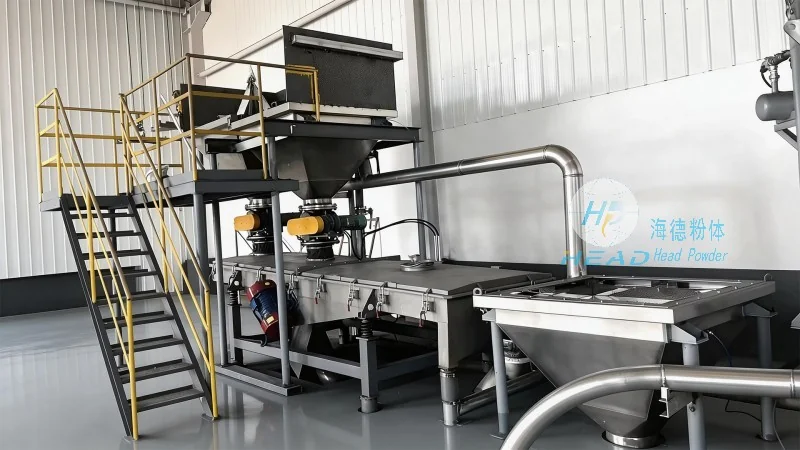
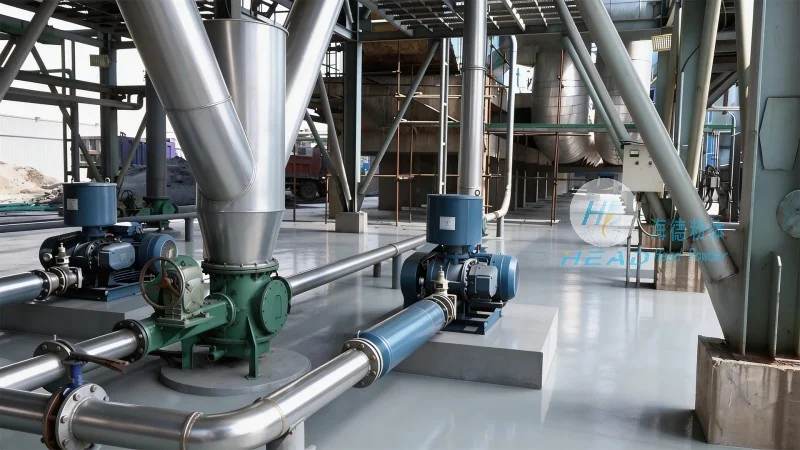
The core components of a pneumatic conveying system for pearl luster sand include the material feed system, conveying pipeline, air supply unit, and separation equipment. The material feed system, such as a rotary valve or a screw feeder, is responsible for introducing the sand into the system at a controlled rate. The choice of feed equipment is critical to prevent material buildup and ensure consistent flow. The conveying pipeline, usually made of stainless steel or other corrosion-resistant materials, must be designed to withstand the abrasive nature of the sand and maintain a smooth interior to minimize pressure drop and friction. The air supply unit, typically a blower or a compressor, generates the necessary air pressure to move the material through the pipeline. The pressure level and flow rate are determined based on the system's length, elevation changes, and the required material throughput. Separation equipment, such as cyclones or bag filters, is used to separate the sand from the air at the end of the conveying line, ensuring that the material is collected efficiently and the air is cleaned before release.
System Sizing and Performance Optimization
Proper sizing of the pneumatic conveying system is essential to match the application's requirements and ensure cost-effective operation. The system's capacity is determined by the required material throughput, which is influenced by the production rate of the pearl luster sand and the number of processing stages. The pipeline diameter and length are calculated based on the air velocity and pressure drop calculations. Air velocity is a key parameter that affects the system's efficiency and material handling capability. Higher air velocities can increase the conveying capacity but also lead to higher energy consumption and increased wear on the equipment. Therefore, an optimal air velocity is selected to balance these factors. The system's performance is further optimized through the use of features such as pulse jets, which help to prevent material buildup in the pipeline, and variable speed drives, which allow for adjustment of the system's output based on changing demand.
Installation and Maintenance Practices
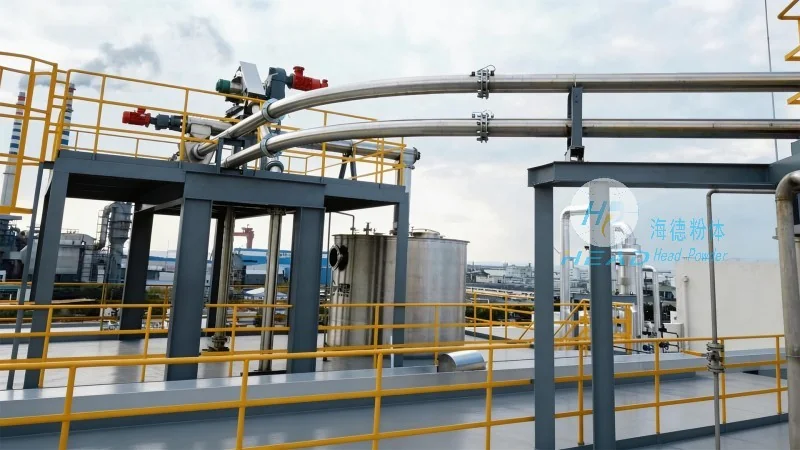
The successful operation of a pneumatic conveying system for pearl luster sand depends on proper installation and regular maintenance. During installation, the pipeline must be properly supported and aligned to prevent sagging or kinking, which can cause blockages or increased pressure drop. All connections must be secure and leak-proof to maintain the system's pressure integrity. Regular maintenance involves monitoring the system's performance parameters, such as pressure and flow rates, and inspecting components for signs of wear or damage. The feed equipment and separation devices should be cleaned regularly to prevent material accumulation and ensure consistent operation. Additionally, the air supply unit and filters should be checked and replaced as needed to maintain optimal air quality and system efficiency.
Case Study: A Successful Pearl Luster Sand Pneumatic Conveying System
Headpowder recently completed a project for a polishing equipment manufacturer in Shandong, China, where they designed and installed a pneumatic conveying system to transport pearl luster sand from a storage silo to a production line. The system was designed to handle 5 tons of sand per hour over a distance of 100 meters with a 20-meter elevation change. The system utilized a positive pressure design with a rotary valve feed system, stainless steel pipeline, and a centrifugal blower. The cyclone separator at the end of the line effectively collected the sand, with minimal loss and no visible wear on the equipment after six months of operation. The customer reported significant improvements in material handling efficiency and reduced labor costs compared to traditional manual transport methods.