

Design of a Dustless Coke Powder Pneumatic Conveying System
Shandong HeadPowder Engineering Co., Ltd., a leading provider in the field of material handling solutions, specializes in the design and implementation of advanced pneumatic conveying systems. This article focuses on the design of a dustless coke powder pneumatic conveying system, highlighting the technical aspects, operational efficiency, and practical applications of such systems in industrial settings.
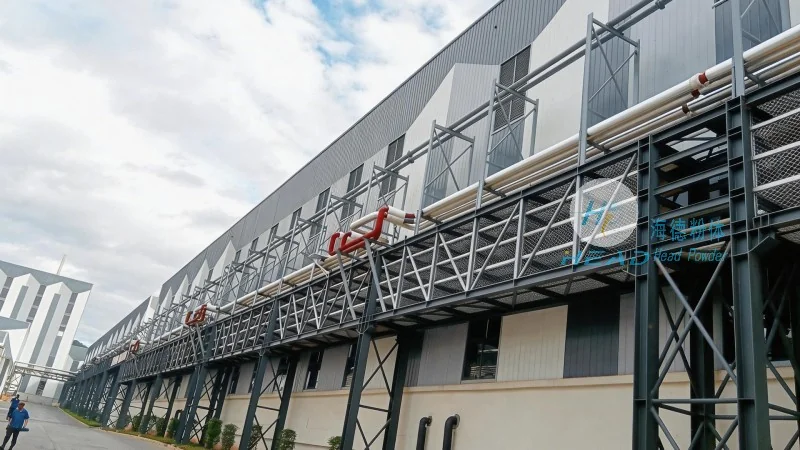
Company Overview
HeadPowder, as the company is commonly known, is headquartered in Shandong, China. With years of experience in engineering and manufacturing, the company has established itself as a trusted partner for businesses seeking reliable and efficient material transport solutions. The company's expertise lies in customizing pneumatic conveying systems to meet the specific needs of various industries, including metallurgy, chemical processing, and power generation.
Understanding Pneumatic Conveying Systems
Pneumatic conveying systems are essential for transporting bulk materials like coke powder, which are often dusty and require careful handling to prevent environmental contamination and operational hazards. These systems utilize air pressure to move materials through a network of pipes, ensuring a clean and efficient transfer process. The design of a dustless system is particularly critical as it eliminates the need for additional dust control measures, reducing operational costs and improving workplace safety.
Key Design Considerations for Dustless Coke Powder Conveying
The design of a dustless coke powder pneumatic conveying system involves several critical factors to ensure optimal performance and reliability. First, the selection of appropriate air flow rates and pressure levels is crucial. High-pressure systems are often used to maintain the material in a suspended state, preventing clogging and ensuring smooth transport. The system must also incorporate features that minimize particle breakage and maintain the integrity of the coke powder, which is vital for downstream processing applications.
Second, the material of construction plays a significant role in the system's durability and resistance to corrosion. Components such as pipes, valves, and cyclones are typically made from stainless steel or other corrosion-resistant materials to withstand the abrasive nature of coke powder. This not only extends the system's lifespan but also ensures consistent performance over time.
System Components and Their Functions
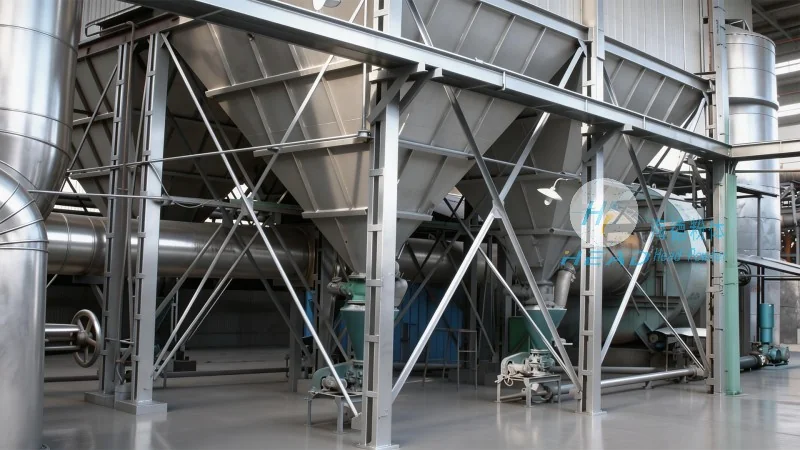
A typical dustless coke powder pneumatic conveying system consists of several key components, each serving a specific function in the material transport process. The primary components include a feeding device, a conveying line, a separation unit, and a dust collection system. The feeding device, often a rotary valve or a screw feeder, introduces the coke powder into the system at a controlled rate, preventing overloading and ensuring uniform flow.
The conveying line, made of high-quality pipes, transports the material under pressure. The pressure is maintained by a blower or a positive displacement pump, which generates the necessary air flow to move the powder. The separation unit, usually a cyclone separator, separates the coke powder from the air stream, allowing the powder to be collected in a hopper or storage bin. The separated air is then filtered and discharged, ensuring that no dust is released into the environment.
Advantages of Dustless Pneumatic Conveying Systems
Implementing a dustless coke powder pneumatic conveying system offers numerous advantages over traditional methods. One of the most significant benefits is the reduction in dust emissions, which improves workplace safety and complies with environmental regulations. This eliminates the need for expensive dust control equipment, such as baghouses or scrubbers, thereby reducing operational costs.
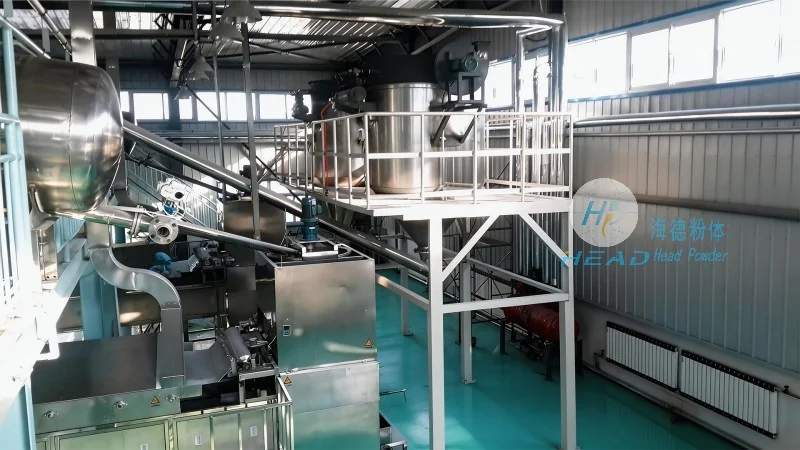
Additionally, the system enhances operational efficiency by minimizing downtime due to clogging or material buildup. The smooth and continuous transport of coke powder ensures that production processes are not interrupted, leading to increased productivity and reduced maintenance requirements. The dustless design also contributes to better product quality, as the material remains intact and free from contamination.
Application Examples and Case Studies
Dustless coke powder pneumatic conveying systems are widely used in various industrial applications. For instance, in the metallurgical industry, these systems are employed to transport coke powder from storage silos to blast furnaces, ensuring a consistent and reliable supply of raw material. In chemical processing plants, the systems are used to move coke powder to reactors or mixers, where it is used as a fuel or a raw material in the production of chemicals.
Case studies from Shandong HeadPowder Engineering Co., Ltd. have demonstrated the effectiveness of their dustless pneumatic conveying systems. One such example involves a steel plant in Shandong, China, where the company installed a custom-designed system to transport coke powder from a storage facility to the blast furnace. The system was designed to handle high volumes of material while maintaining a dustless environment, resulting in improved operational efficiency and reduced maintenance costs for the client.
Conclusion
In conclusion, the design of a dustless coke powder pneumatic conveying system is a critical aspect of modern material handling, offering significant benefits in terms of efficiency, safety, and cost-effectiveness. Shandong HeadPowder Engineering Co., Ltd. specializes in providing tailored solutions that meet the specific requirements of industrial clients, ensuring that their material transport needs are met with precision and reliability. By leveraging advanced engineering and quality materials, the company's systems contribute to the smooth operation of various industrial processes, supporting the growth and success of its clients.