

Design of Metallurgical Coke Powder Pneumatic Conveying Systems
Metallurgical coke powder is a critical raw material in the iron and steel industry, and its efficient transportation is essential for maintaining production efficiency and safety. The design of a pneumatic conveying system for metallurgical coke powder involves careful consideration of material properties, system requirements, and operational conditions. This article provides an overview of the key components and design principles for such systems, tailored to the specific needs of industrial applications.
Key Components of Pneumatic Conveying Systems
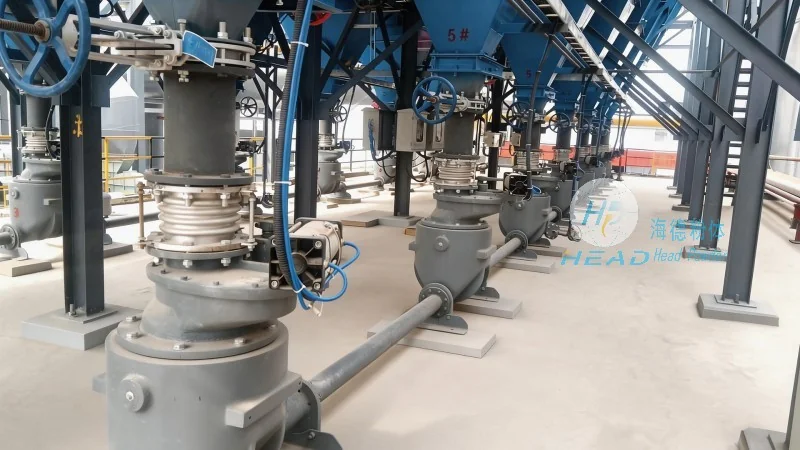
The core components of a pneumatic conveying system for metallurgical coke powder include the material hopper, feeder, conveying pipeline, and receiver. The material hopper is designed to store the coke powder and ensure a consistent feed rate. The feeder, typically a rotary valve or screw feeder, controls the flow of material into the pipeline. The conveying pipeline, made of materials resistant to corrosion and wear, transports the powder under pressure or vacuum. The receiver collects the material at the destination, with features to prevent dust emission and ensure material integrity.
Design Considerations for Material Handling
Metallurgical coke powder has specific characteristics that influence system design. The powder's particle size distribution, moisture content, and flowability are crucial factors. For example, finer particles may require higher air velocities to maintain flow, while coarser particles might need larger pipeline diameters to prevent blockages. Additionally, the system must be designed to handle potential dust explosions, with appropriate explosion-proof measures and dust collection systems integrated into the design.
System Performance and Efficiency
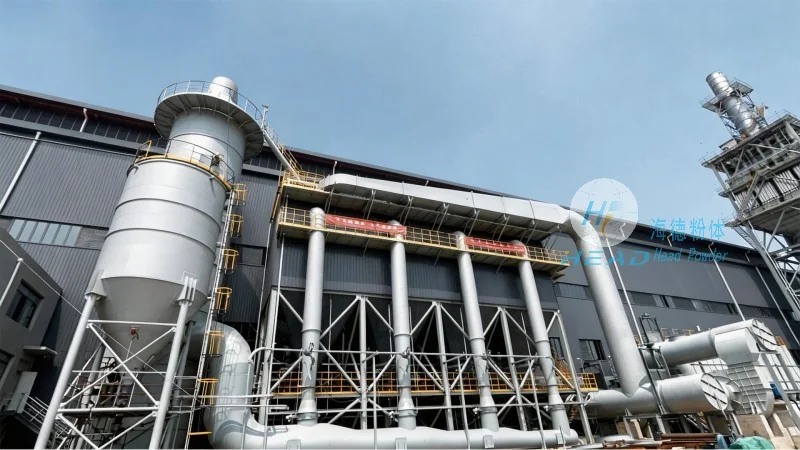
The performance of a pneumatic conveying system is evaluated based on several parameters, including conveying capacity, pressure drop, and energy consumption. High-efficiency systems minimize pressure drop along the pipeline, reducing energy costs. The use of optimized pipeline layouts, such as the use of bends and elbows with minimal pressure loss, and the selection of appropriate air velocities, contribute to overall system efficiency. Regular maintenance and monitoring of system components, such as filters and valves, are also essential to ensure long-term performance and reliability.
Customization and Application Examples
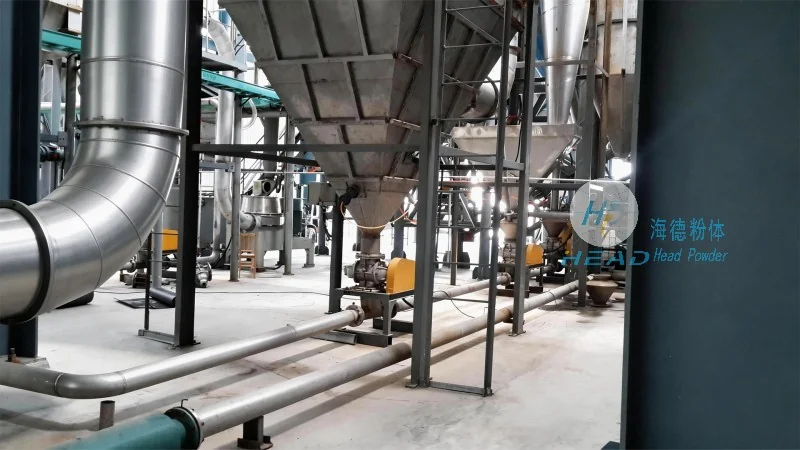
Shandong HeadPowder Engineering Co., Ltd. specializes in designing customized pneumatic conveying systems tailored to the unique requirements of metallurgical coke powder applications. Our solutions are engineered to handle varying material characteristics and operational conditions, ensuring reliable and efficient material transport. For instance, a system designed for a steel mill might involve a combination of positive and negative pressure conveying to cover long distances and multiple destinations. The company's expertise in material handling technology ensures that each system is optimized for the specific production environment, maximizing productivity and minimizing downtime.
Conclusion
The design of a pneumatic conveying system for metallurgical coke powder is a complex process that requires a deep understanding of material science, fluid dynamics, and industrial engineering. By integrating advanced design principles and high-quality components, systems can be developed that meet the demanding requirements of modern metallurgical operations. Shandong HeadPowder Engineering Co., Ltd. offers comprehensive solutions that combine technical expertise with practical application, ensuring that clients receive systems that are both efficient and reliable.