

Design of Cement and Mineral Powder Pneumatic Conveying Systems
Efficient material handling is a critical factor in the cement and mineral processing industries. Pneumatic conveying systems offer a reliable and flexible solution for transporting bulk powders like cement, fly ash, and other mineral powders. This article explores the design considerations, key components, and practical applications of such systems, highlighting the expertise of Shandong HeadPowder Engineering Co., Ltd. (headpowder) in delivering tailored solutions for industrial clients.
Key Design Principles for Pneumatic Conveying Systems
The design of a pneumatic conveying system for cement and mineral powders involves several critical principles to ensure optimal performance, energy efficiency, and long-term reliability. First, the system must be tailored to the specific characteristics of the material being conveyed, including particle size, density, moisture content, and flowability. For cement powders, which are often fine and cohesive, the system design must account for potential blockages and the need for consistent air flow to maintain smooth operation. Headpowder engineers employ advanced computational fluid dynamics (CFD) and material testing to analyze these parameters and develop a system that matches the unique requirements of each project.
Second, the system layout and component selection are crucial. The choice between positive pressure, negative pressure, or a combination of both depends on the distance, elevation changes, and material properties. For long-distance or high-elevation conveying, positive pressure systems are often preferred as they provide better control over air flow and material transport. The system typically includes a hopper for material storage, a feeder to control the flow rate, a conveying line (often with bends and straight sections), and a receiver to collect the material at the destination. Headpowder’s design process integrates these components into a cohesive system that minimizes energy consumption while maximizing throughput.
Core Components and Their Functionality
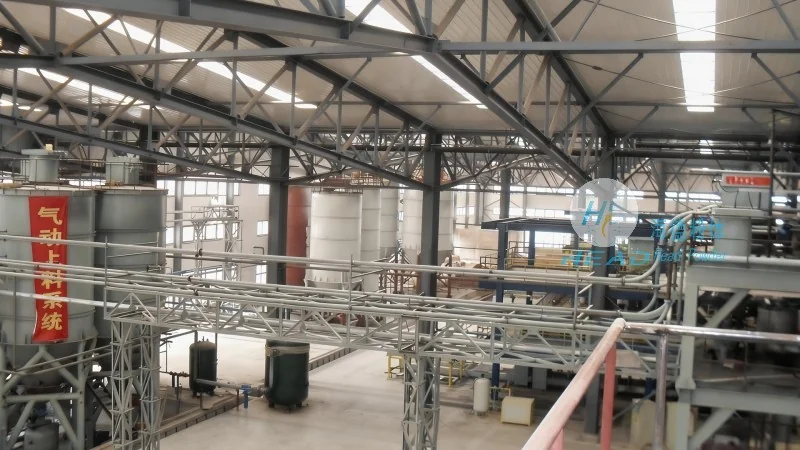
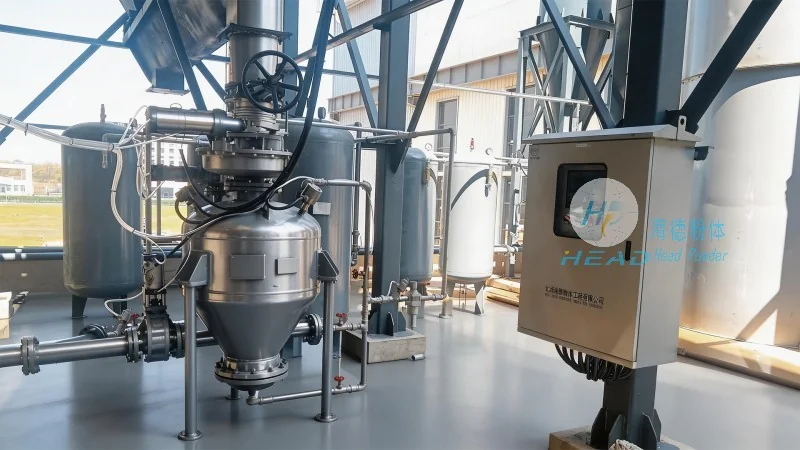
Each component of a pneumatic conveying system plays a vital role in ensuring efficient operation. The hopper, typically made of stainless steel or other corrosion-resistant materials, stores the bulk material and provides a consistent feed to the feeder. The feeder, which can be a rotary valve, screw feeder, or vibratory feeder, regulates the material flow rate to match the system’s air flow capacity. This control is essential to prevent overloading the conveying line and to maintain a stable pressure differential. The conveying line itself is usually made of metal or high-quality plastic, with smooth inner surfaces to minimize friction and reduce the risk of material buildup. Bends and elbows are carefully designed with appropriate radii to avoid particle deposition and ensure smooth material flow. The receiver, located at the end of the line, collects the conveyed material and may include a dust collection system to control emissions and maintain air quality.
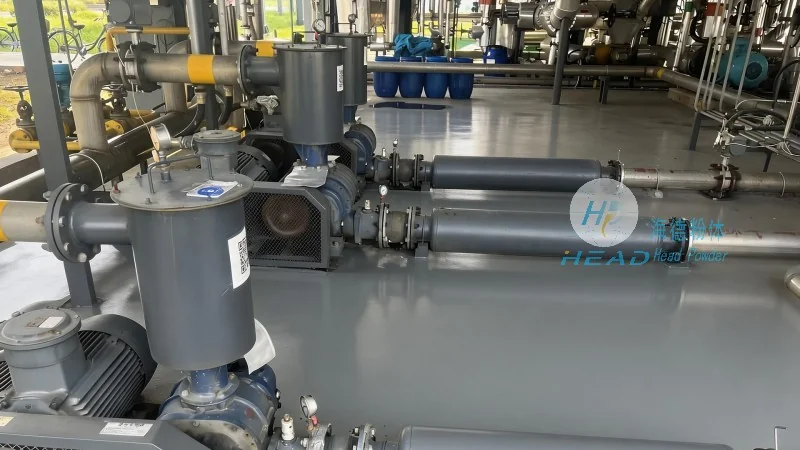
Headpowder’s engineers pay close attention to the air compressor and blower system, which provides the necessary pressure and airflow. The selection of the compressor type (e.g., centrifugal, positive displacement) depends on the system’s requirements, such as pressure levels and flow rates. The system also includes filters and separators to remove any particles from the air stream, protecting downstream equipment and ensuring compliance with environmental regulations. These components are integrated into a compact and efficient design that minimizes maintenance and operational costs.
Application Scenarios and Performance Metrics
Pneumatic conveying systems designed by headpowder are used in a variety of industrial applications, including cement production, mineral processing, and construction material handling. In cement plants, these systems efficiently transport raw materials like limestone and clinker to the grinding mills, as well as finished cement products to storage silos or shipping facilities. The systems are also used in power plants to convey fly ash and other byproducts from the boiler to disposal or reuse facilities. In construction sites, pneumatic conveyors can transport cement, sand, and other powders to job sites, reducing the need for manual handling and improving safety.
The performance of a pneumatic conveying system is typically evaluated based on several key metrics. Throughput, or the amount of material conveyed per unit time, is a primary indicator of system efficiency. Headpowder systems are designed to achieve high throughput while maintaining low energy consumption. Pressure drop, which measures the resistance to airflow in the system, is another critical metric. A well-designed system minimizes pressure drop to reduce energy costs and extend the life of the conveying line. The system’s reliability, measured by uptime and maintenance intervals, is also a key consideration. Headpowder’s use of high-quality components and rigorous testing ensures that their systems operate reliably over long periods, minimizing downtime and maintenance expenses.
Customization and Engineering Expertise at Headpowder
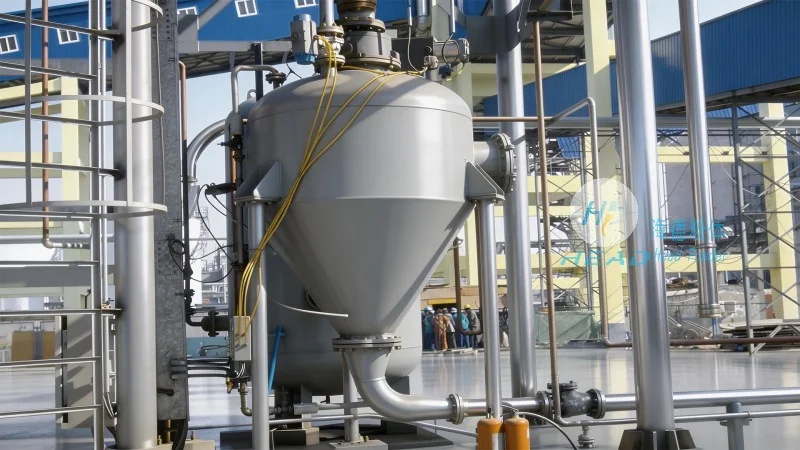
Headpowder Engineering Co., Ltd. specializes in designing and manufacturing customized pneumatic conveying systems tailored to the specific needs of each client. The company’s team of experienced engineers works closely with clients to understand their operational requirements, material characteristics, and budget constraints. Through detailed consultations and on-site assessments, Headpowder develops a comprehensive design that addresses all aspects of the project, from initial material handling to final delivery. The company’s design process includes 3D modeling, CFD simulations, and material testing to validate the system’s performance before fabrication and installation.
Headpowder’s commitment to quality and innovation is reflected in its use of advanced technology and materials. The company employs state-of-the-art equipment and software to ensure that each system meets or exceeds industry standards. The systems are manufactured in compliance with international safety and environmental regulations, ensuring that they are safe to operate and environmentally friendly. Headpowder also provides comprehensive after-sales support, including installation, commissioning, and maintenance services, to ensure that clients can maximize the lifespan and performance of their systems.