

Polycarbonate Pneumatic Conveying System Design
HeadPowder, a leading engineering firm based in Shandong, China, specializes in the design and implementation of advanced pneumatic conveying systems tailored for polycarbonate materials. Our expertise lies in creating efficient, reliable, and cost-effective solutions that meet the stringent requirements of modern industrial applications.
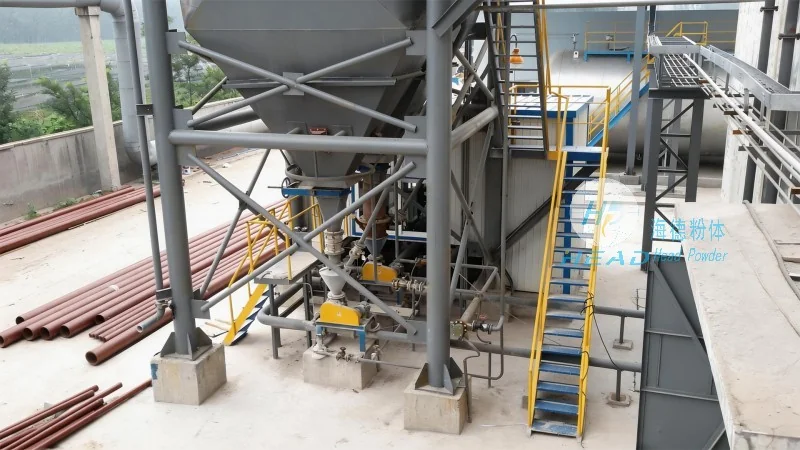
System Design Principles for Polycarbonate Pneumatic Conveying
At the core of our approach is a comprehensive understanding of polycarbonate's physical and chemical properties. Polycarbonate is known for its high impact resistance, transparency, and thermal stability, making it a popular choice in automotive, electronics, and medical industries. However, its handling in pneumatic systems requires careful consideration of particle size, moisture content, and temperature sensitivity. Our design process begins with a thorough analysis of the material's characteristics and the specific operational conditions of the client's facility.
Key design parameters include the selection of appropriate air velocities, pipeline diameters, and pressure levels to ensure optimal material transport without causing degradation or blockages. We employ advanced computational fluid dynamics (CFD) simulations to model the flow behavior of polycarbonate particles in the conveying system, allowing us to optimize the system layout and component selection. This approach minimizes energy consumption while maximizing throughput and system reliability.
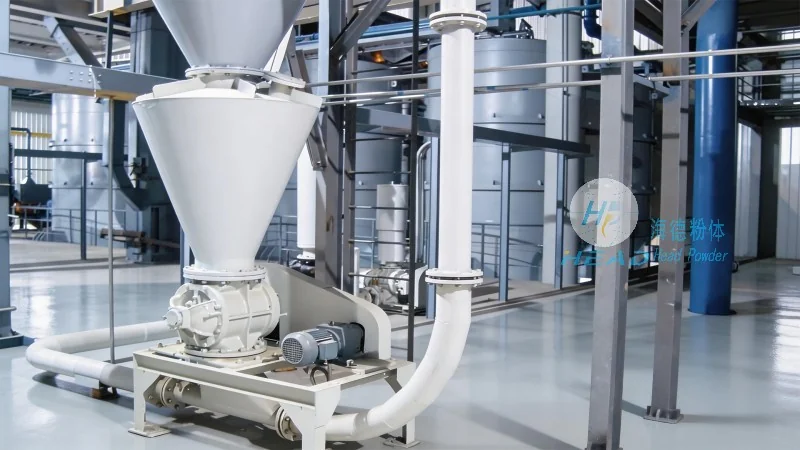
Components and Technology Integration
Our polycarbonate pneumatic conveying systems incorporate state-of-the-art components that are specifically engineered for handling this material. The system typically includes a hopper for material storage, a rotary valve for controlled material discharge, a positive displacement blower or air compressor to generate the necessary air pressure, and a pipeline network designed to minimize pressure drop and maintain consistent flow. For applications requiring long-distance or high-rise transport, we may integrate booster units or vacuum systems to enhance performance.
Special attention is given to the material's susceptibility to moisture and heat. To prevent degradation, we often incorporate drying and temperature control features into the system. For instance, a pre-drying unit may be installed before the material enters the conveying pipeline, and temperature sensors are integrated to monitor and regulate the air temperature throughout the process. This ensures that the polycarbonate remains in its optimal condition during transport.
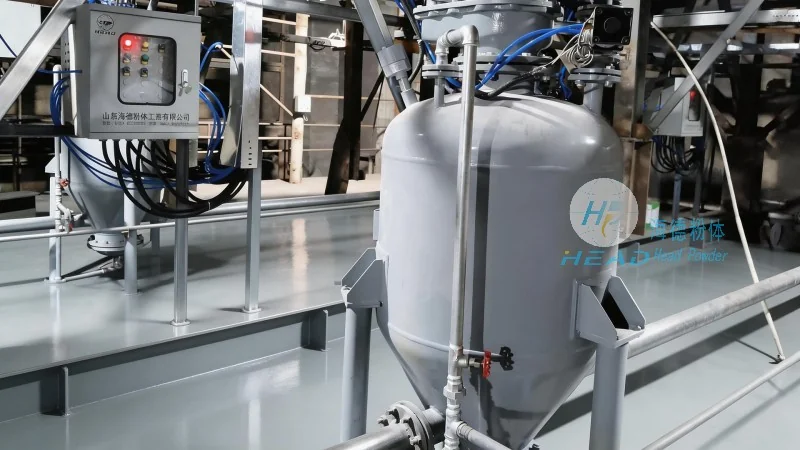
Customization and Integration with Existing Facilities
Every project is unique, and we tailor our solutions to fit the specific needs and constraints of each client. Whether integrating with existing production lines or designing a new facility from the ground up, our team works closely with clients to understand their operational goals and challenges. We provide detailed engineering drawings, 3D models, and performance simulations to help clients visualize the system and make informed decisions.
Our systems are designed for easy integration with other industrial equipment, such as mixers, granulators, and packaging machines. This ensures a seamless flow of materials from raw material storage to final product packaging. We also offer maintenance and support services to ensure the long-term reliability and efficiency of the system.
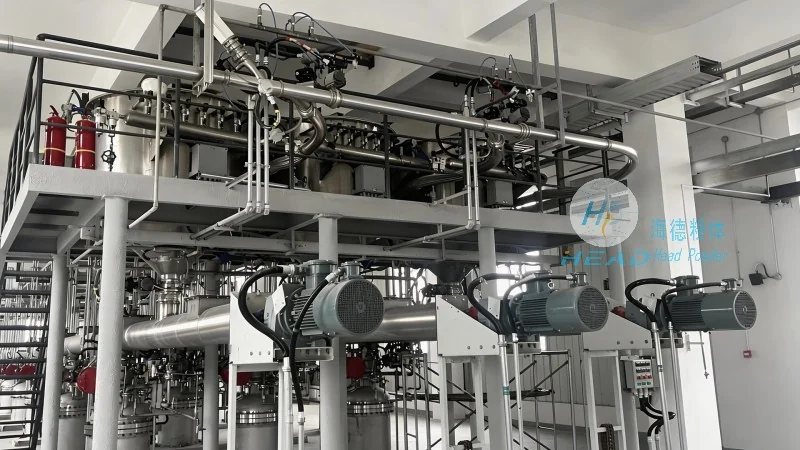
Quality Assurance and Testing
Before delivery, all components of the polycarbonate pneumatic conveying system undergo rigorous testing to ensure compliance with industry standards and client specifications. This includes pressure testing of pipelines, performance testing of the blower or compressor, and material flow tests using actual polycarbonate samples. Our quality assurance process ensures that the system operates as designed and meets the highest standards of performance and reliability.
After installation, we provide comprehensive training to the client's staff on the operation and maintenance of the system. This includes instructions on how to handle potential issues, such as blockages or air leaks, and how to perform routine maintenance tasks. Our goal is to ensure that the client can operate the system efficiently and safely, minimizing downtime and maximizing productivity.