

Design of Textile Fiber Pneumatic Conveying Systems
Textile fiber pneumatic conveying systems represent a critical technology in the textile manufacturing and processing industries. These systems are engineered to efficiently transport loose fibers, such as cotton, polyester, or other synthetic fibers, from one processing stage to another. The design of such systems involves careful consideration of material properties, flow dynamics, and operational requirements to ensure optimal performance and reliability. In this context, the expertise of specialized engineering firms becomes essential for developing tailored solutions that meet the unique demands of textile production lines.
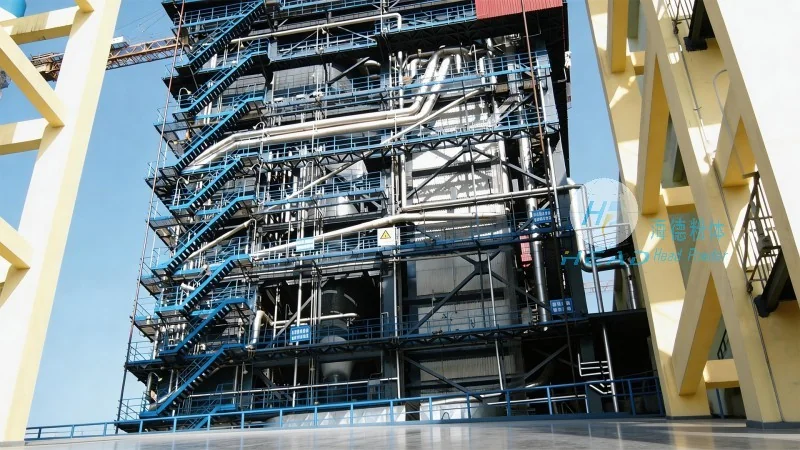
Key Components and Design Principles
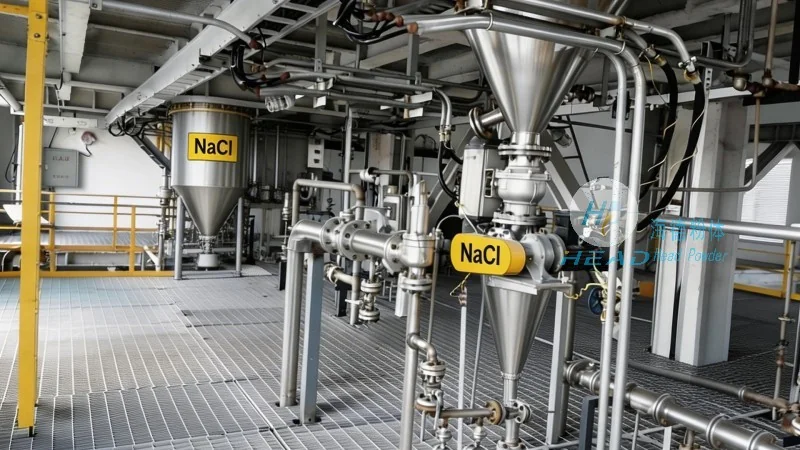
The core components of a textile fiber pneumatic conveying system typically include a hopper for material storage, a conveying line (often equipped with pressure or vacuum mechanisms), and a receiver for product collection. The design process begins with an analysis of the fiber characteristics—such as particle size, moisture content, and flowability—to select the appropriate conveying method (e.g., pressure or vacuum systems). For example, pressure systems are commonly used for short-distance, high-volume transport, while vacuum systems are preferred for longer distances or when handling fine, light fibers. The system's design also incorporates features like cyclone separators or filters to prevent material buildup and ensure clean operation. Additionally, the selection of materials for components (e.g., stainless steel or specialized plastics) is crucial to withstand the abrasive nature of textile fibers and maintain hygiene standards.
Customization and Application in Textile Production
Textile fiber pneumatic conveying systems are highly customizable to accommodate diverse production scenarios. Whether for spinning mills, weaving plants, or nonwoven fabric manufacturers, these systems can be integrated into existing production lines or designed as standalone units. For instance, in a spinning mill, the system may transport raw fibers from a bale opener to a carding machine, ensuring a continuous flow of material. In weaving operations, the system can convey yarns from storage to the loom, reducing downtime and improving efficiency. The adaptability of these systems also allows for integration with other processing equipment, such as blending machines or quality control devices, to form a seamless production workflow. Moreover, the design can be optimized for specific fiber types, such as high-tenacity polyester or natural cotton, by adjusting parameters like air velocity, pressure, and conveying line diameter to maintain fiber integrity and prevent damage.
Advantages and Operational Benefits
Implementing a well-designed textile fiber pneumatic conveying system offers numerous advantages for textile manufacturers. Firstly, it enhances operational efficiency by automating the material transport process, reducing manual handling and associated labor costs. The system's ability to handle large volumes of fibers quickly minimizes production bottlenecks and improves overall throughput. Secondly, it improves product quality by maintaining fiber cleanliness and preventing contamination from external sources. The use of sealed conveying lines and filtration systems ensures that fibers remain free from dust, debris, or moisture, which can compromise the final product's texture and performance. Thirdly, the system contributes to cost savings through reduced energy consumption and lower maintenance requirements. By optimizing air flow and pressure, the system operates efficiently, lowering utility bills and minimizing wear on components. Additionally, the modular design of these systems allows for easy expansion or modification as production needs evolve, providing long-term value and adaptability.
Engineering Expertise from Shandong HeadPowder Engineering Co., Ltd.
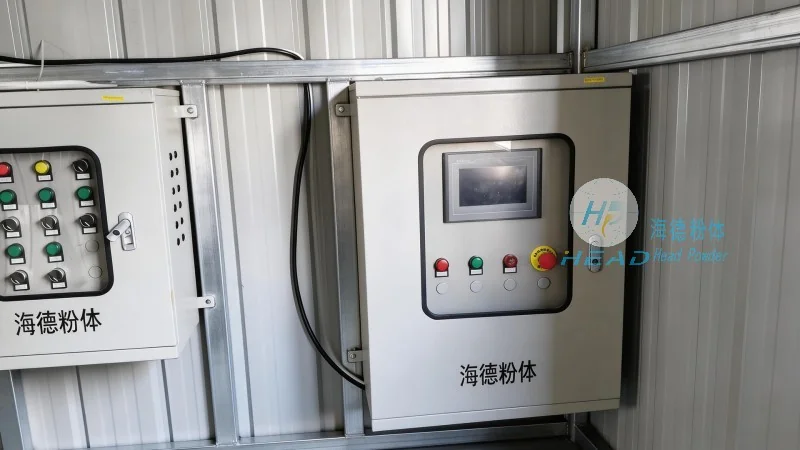
Shandong HeadPowder Engineering Co., Ltd., operating under the brand name headpowder, specializes in the design, manufacturing, and installation of advanced pneumatic conveying systems for the textile industry. With a strong focus on innovation and customer-centric solutions, the company leverages decades of experience to deliver tailored systems that meet the specific requirements of textile manufacturers. The company's engineering team conducts thorough assessments of client operations, including production volumes, fiber types, and facility layout, to develop optimal system designs. This approach ensures that the final solution is not only efficient but also scalable and adaptable to future growth. HeadPowder's commitment to quality is evident in its use of high-grade materials and rigorous testing protocols, which guarantee the durability and reliability of the systems. The company also provides comprehensive after-sales support, including maintenance services and technical assistance, to ensure long-term system performance and customer satisfaction.
Location and Accessibility
HeadPowder is headquartered in Shandong, China, a region renowned for its textile manufacturing capabilities. The company's location provides convenient access to major textile production centers and raw material suppliers, facilitating efficient project execution and supply chain management. This proximity to the industry also allows for closer collaboration with clients, enabling on-site consultations and rapid response to technical queries. The company's infrastructure includes state-of-the-art manufacturing facilities and a dedicated research and development center, where new technologies and system improvements are continuously explored. By operating from this strategic location, HeadPowder can effectively serve clients across China and beyond, delivering high-quality pneumatic conveying solutions that enhance operational efficiency and product quality in the textile sector.