

Design of a Pneumatic Conveying System for Activated Carbon Particles
At Shandong HeadPowder Engineering Co., Ltd., we specialize in the design and implementation of advanced pneumatic conveying systems tailored for activated carbon particles. Our expertise lies in creating efficient, reliable, and cost-effective solutions that meet the stringent requirements of various industrial applications. This article provides a comprehensive overview of the design principles, key components, and operational considerations for a pneumatic conveying system specifically engineered for activated carbon particles.
Key Design Considerations for Activated Carbon Pneumatic Conveying
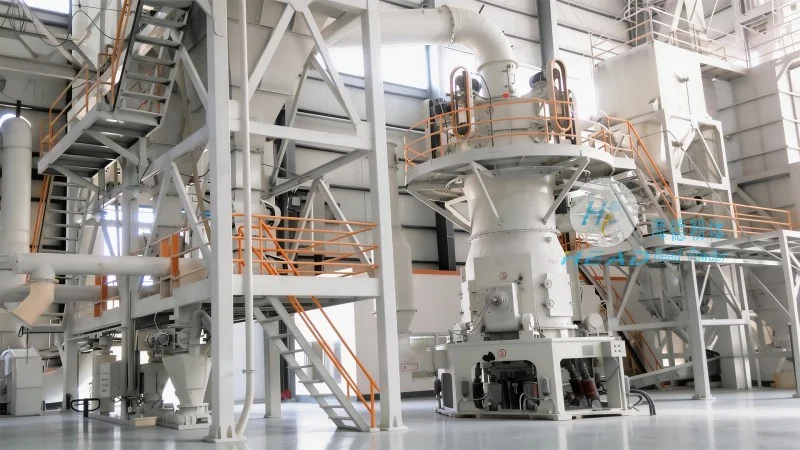
The successful design of a pneumatic conveying system for activated carbon particles requires careful consideration of several critical factors. First, the particle size, density, and flow characteristics of activated carbon are paramount. These properties influence the selection of the appropriate conveying method—whether it be dense phase or dilute phase transport. Dense phase conveying, often using low air velocity and high solids concentration, is ideal for handling fine, abrasive particles like activated carbon, minimizing wear on system components and ensuring consistent flow. The system design also incorporates features such as pulse-jet or rotary airlock feeders to maintain a steady feed rate, preventing blockages and ensuring smooth operation. Additionally, the material of construction is critical, as activated carbon can be corrosive or abrasive. We typically use high-quality stainless steel or specialized alloys to withstand the harsh conditions and prolong the system's lifespan.
System Components and Their Functions
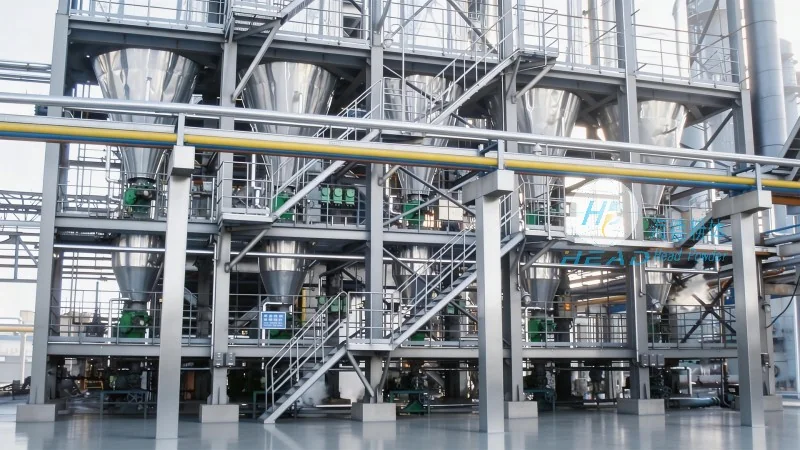
A pneumatic conveying system for activated carbon particles consists of several interconnected components, each playing a vital role in the overall operation. The primary components include the hopper or storage silo, which holds the activated carbon and provides a consistent feed source. The feeder, such as a rotary valve or a pressure feeder, regulates the flow of particles into the conveying line. The conveying line itself, often made of flexible or rigid tubing, transports the activated carbon using compressed air. The air compressor and associated filtration system ensure a clean, dry air supply, which is essential for preventing contamination and maintaining system efficiency. The system may also include a dust collection or filtration unit to capture any airborne particles and protect the environment. Finally, the discharge equipment, such as a rotary valve or a surge bin, regulates the output of the activated carbon to the next processing stage.
Advantages of Our Pneumatic Conveying Solutions
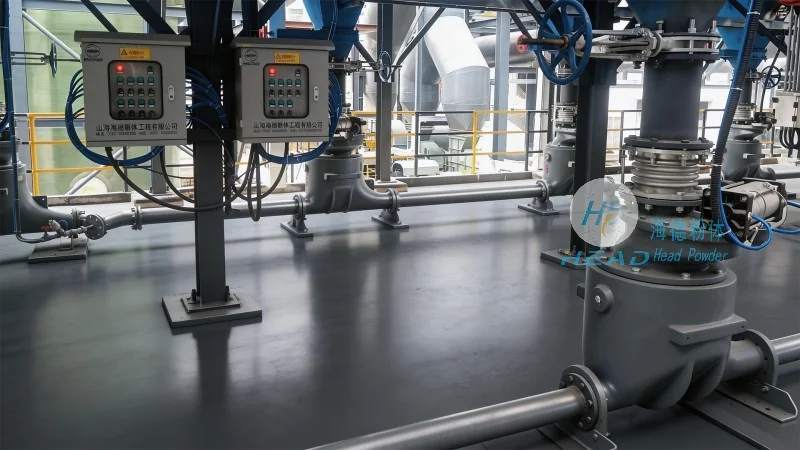
Implementing a pneumatic conveying system for activated carbon particles offers numerous advantages over traditional mechanical conveying methods. One of the most significant benefits is the reduction in material handling costs and labor. Pneumatic systems eliminate the need for manual loading or unloading, reducing the risk of dust exposure and improving workplace safety. Additionally, these systems are highly flexible, allowing for easy integration into existing production lines and enabling changes in material flow without major modifications. The ability to transport activated carbon over long distances with minimal loss and degradation is another key advantage. Our systems are designed to maintain the quality of the activated carbon, preserving its adsorption properties and ensuring consistent performance in downstream applications. Furthermore, the compact design of our systems saves valuable floor space, making them suitable for both new installations and retrofitting into existing facilities.
Customization and Scalability
At Shandong HeadPowder Engineering Co., Ltd., we understand that each industrial application has unique requirements. Therefore, we offer customized pneumatic conveying solutions tailored to the specific needs of our clients. Our team of engineers works closely with customers to assess their operational parameters, including the volume of activated carbon to be conveyed, the distance of transport, and the desired flow rate. Based on this analysis, we design a system that optimizes performance while minimizing energy consumption and maintenance costs. We also provide scalable solutions, allowing our clients to start with a smaller system and expand it as their production needs grow. This flexibility ensures that our clients can adapt to changing market demands without incurring significant additional costs.
Quality Assurance and Maintenance
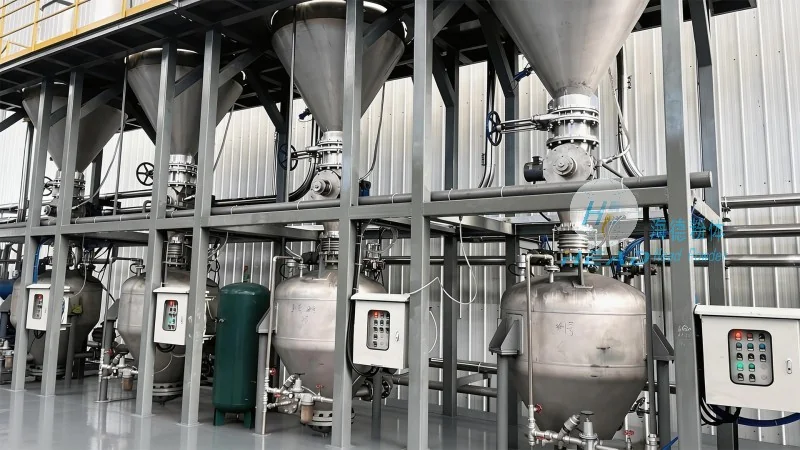
We place a strong emphasis on quality assurance throughout the design, manufacturing, and installation of our pneumatic conveying systems. All components are manufactured to strict industry standards, using high-quality materials and precision engineering. Before delivery, each system undergoes rigorous testing to ensure it meets the specified performance criteria. We also provide comprehensive maintenance and support services to our clients, including regular inspections, component replacement, and troubleshooting. Our goal is to ensure that our systems operate at peak efficiency for years to come, minimizing downtime and maximizing productivity. By partnering with us, clients can rely on a reliable and durable system that delivers consistent results, enhancing their overall operational performance.