

[Sulphur Pneumatic Conveying Design, Calculation, and Equipment Selection]
HeadPowder, a leading engineering firm based in Shandong, China, specializes in the design, calculation, and selection of equipment for sulphur pneumatic conveying systems. Our expertise ensures efficient and reliable material handling solutions tailored to the unique requirements of sulphur processing applications.
Key Design Considerations for Sulphur Pneumatic Conveying Systems
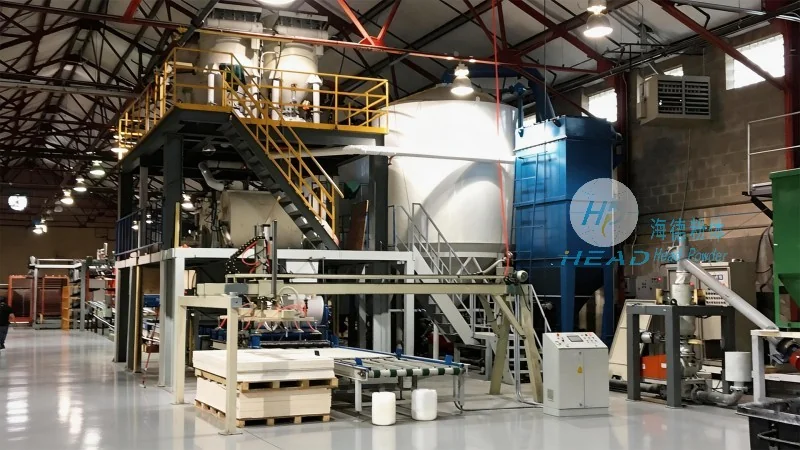
When designing a sulphur pneumatic conveying system, several critical factors must be considered to ensure optimal performance and longevity. The first step involves a thorough analysis of the sulphur characteristics, including its particle size distribution, bulk density, and moisture content. These properties directly impact the selection of the conveying method—whether it’s a dilute phase or dense phase system. Dilute phase systems are typically used for long-distance conveying over distances exceeding 100 meters, while dense phase systems are preferred for shorter distances or when handling fine powders that are prone to clogging. The choice of conveying method influences the design of the pipeline, including pipe diameter, material of construction, and the number of bends and fittings. For instance, sulphur, being a brittle material, requires pipelines made from corrosion-resistant materials such as stainless steel or special alloys to prevent material degradation and blockages. Additionally, the system's pressure and flow rate calculations are crucial. The pressure drop across the pipeline must be accurately determined to ensure sufficient air velocity to maintain particle suspension. This involves using established formulas and empirical data to calculate the required air volume and pressure, which directly impacts the selection of the air compressor and blower. The design also considers the system's capacity, which is determined by the desired throughput rate and the time required to complete the conveying operation. Proper sizing of the equipment, such as the hopper and feeder, is essential to maintain a consistent material flow and prevent surges or blockages. The hopper design must account for the sulphur's flow characteristics, incorporating features like cone angles and internal liners to prevent bridging and ensure smooth discharge. The feeder, whether a rotary valve or a screw feeder, must be selected based on the material's flowability and the system's operational requirements. Furthermore, the system's control and monitoring mechanisms are integral to its performance. Sensors for pressure, temperature, and flow rate are installed to provide real-time data, enabling operators to adjust the system parameters as needed. This ensures the system operates within optimal conditions, minimizing energy consumption and maximizing efficiency. The design process also involves considering the environmental and safety aspects. Sulphur is a hazardous material, and the system must be designed to prevent dust explosions and ensure proper ventilation. This includes implementing explosion-proof components and adequate dust collection systems. The overall design must comply with relevant industrial standards and regulations to ensure safety and operational reliability.
Equipment Selection for Sulphur Pneumatic Conveying
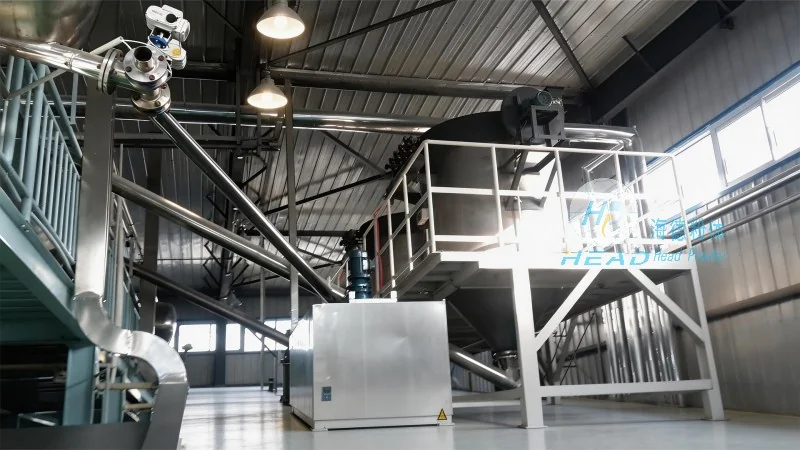
HeadPowder provides comprehensive equipment selection services for sulphur pneumatic conveying systems, ensuring that each component is chosen to meet the specific needs of the application. The air compressor is a critical component, as it provides the necessary pressure and volume of air to move the sulphur. For dilute phase systems, high-pressure blowers or positive displacement compressors are commonly used, while dense phase systems may require higher pressure compressors. The choice of compressor depends on the system's pressure requirements, flow rate, and the distance to be covered. The blower or compressor must be sized to deliver the required air volume at the specified pressure, taking into account the pressure drop in the pipeline and any losses due to fittings and bends. The pipeline system is another key component, and its design directly impacts the system's performance. The pipe diameter is determined based on the air velocity and the material's particle size. For sulphur, a typical air velocity of 20-30 meters per second is used to maintain particle suspension. The pipe material must be corrosion-resistant, as sulphur can cause corrosion over time. Stainless steel, carbon steel with protective coatings, or special alloys are commonly used. The pipeline layout must be carefully planned to minimize bends and fittings, as each additional component increases the pressure drop and can cause turbulence, potentially leading to material degradation or blockages. The hopper and feeder are essential for material storage and discharge. The hopper design must accommodate the sulphur's bulk density and flow characteristics, ensuring that the material flows smoothly into the feeder. The feeder, such as a rotary valve or a screw feeder, must be selected based on the material's flowability and the system's operational requirements. Rotary valves are commonly used for dense phase systems due to their ability to handle fine powders and maintain a consistent flow rate. Screw feeders are suitable for bulkier materials but may require additional maintenance to prevent clogging. The system's control and monitoring equipment, including pressure sensors, flow meters, and control valves, are also critical. These components allow for real-time monitoring and adjustment of the system parameters, ensuring optimal performance. The selection of each component is based on a thorough analysis of the application requirements, material properties, and operational conditions. HeadPowder's team of engineers uses advanced software and empirical data to model the system and predict its performance, ensuring that the selected equipment meets the client's needs and operates efficiently. The equipment selection process also considers the system's maintenance and operational costs. By choosing high-quality, durable components, the system's lifespan is extended, and the need for frequent repairs is minimized. This leads to lower long-term costs and higher overall efficiency. The final selection is based on a balance of performance, cost, and reliability, ensuring that the sulphur pneumatic conveying system operates at its best for years to come.
Application Examples and Case Studies
HeadPowder has successfully implemented sulphur pneumatic conveying systems in various industrial applications, demonstrating the effectiveness of our design and equipment selection services. One notable case involves a sulphur processing plant in Shandong, China, where our team designed a dilute phase system to transport sulphur from storage silos to a processing unit over a distance of 150 meters. The system was designed to handle a throughput of 10 tons per hour, with a particle size of 0-5 mm. The pipeline was constructed from stainless steel with a diameter of 200 mm, and a high-pressure blower was used to maintain an air velocity of 25 meters per second. The system was equipped with a rotary valve feeder and pressure sensors to monitor the flow rate and pressure. The system has been in operation for over three years, with minimal downtime and high efficiency. Another case involved a dense phase system for a sulphur fertilizer plant, where the system was designed to transport fine sulphur powder over a short distance of 50 meters. The system used a positive displacement compressor to maintain a pressure of 0.8 MPa, with an air velocity of 10 meters per second. The pipeline was made from carbon steel with a protective coating, and a screw feeder was used to discharge the material. The system has been operating smoothly, with no clogging or blockages reported. These case studies highlight the importance of proper design and equipment selection in ensuring the success of sulphur pneumatic conveying systems. By considering the material properties, operational requirements, and environmental factors, HeadPowder's engineers can design systems that meet the specific needs of each client, resulting in efficient and reliable material handling solutions.
Conclusion
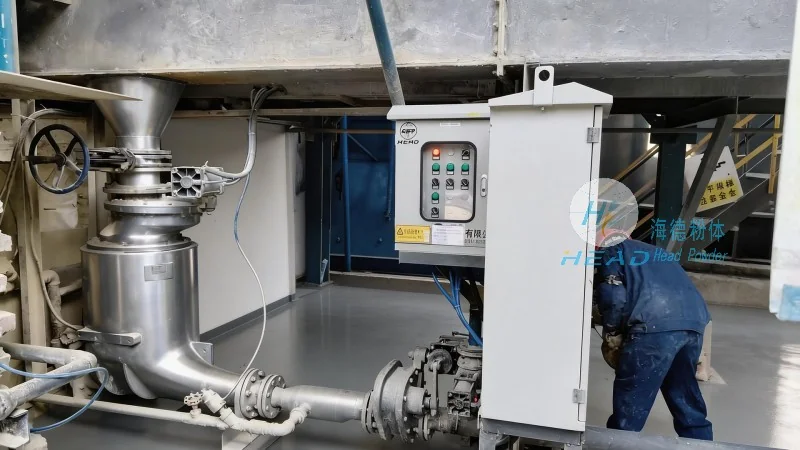
HeadPowder Engineering Co., Ltd., based in Shandong, China, is a leading provider of sulphur pneumatic conveying system design, calculation, and equipment selection services. Our expertise in material handling and engineering ensures that our clients receive tailored solutions that meet their specific needs and operational requirements. By considering the unique properties of sulphur, such as its particle size, bulk density, and moisture content, we design systems that are efficient, reliable, and safe. Our comprehensive approach includes thorough analysis, accurate calculations, and careful equipment selection, ensuring that each component is optimized for the application. The result is a system that operates at peak performance, minimizing downtime and maximizing throughput. HeadPowder's commitment to quality and customer satisfaction has made us a trusted partner in the sulphur processing industry. We continue to innovate and improve our services to meet the evolving needs of our clients, providing them with the best possible solutions for their material handling challenges.