

What is Crystalline Solids Pneumatic Conveying, Classification and Applications of Pneumatic Conveyi
Pneumatic conveying is a widely used method for transporting bulk materials, including crystalline solids, through the use of air or other gases. This technology offers advantages such as flexibility, efficiency, and the ability to handle materials that are difficult to transport via traditional methods like belt conveyors or trucks. The process involves creating a flow of air within a pipeline, which carries the solid particles from the source to the destination. Understanding the principles and applications of crystalline solids pneumatic conveying is crucial for industries that rely on the handling of such materials.
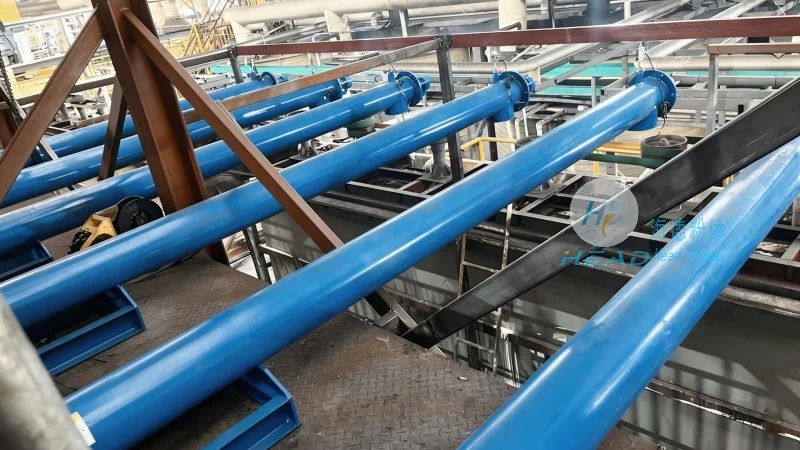
Key Components of Pneumatic Conveying Systems
A typical pneumatic conveying system for crystalline solids consists of several key components. These include a material feed hopper, a blower or compressor to generate the air flow, a pipeline network to transport the material, and a discharge device at the receiving end. The feed hopper ensures a consistent supply of material, while the blower provides the necessary pressure or velocity to move the particles. The pipeline design is critical, as it must be able to handle the specific characteristics of crystalline solids, such as their size, shape, and density. The discharge device, such as a rotary valve or a cyclone separator, ensures that the material is released at the correct location without causing blockages or contamination.
Types of Pneumatic Conveying Systems
Pneumatic conveying systems can be classified into several types based on the pressure and flow characteristics. The most common types include positive pressure systems, negative pressure systems, and hybrid systems. Positive pressure systems use a blower to push the material through the pipeline, while negative pressure systems use a vacuum to pull the material. Hybrid systems combine both approaches to optimize performance. For crystalline solids, the choice of system depends on factors such as the material's properties, the distance to be transported, and the required flow rate. Each system has its advantages and limitations, and selecting the appropriate type is essential for efficient operation.
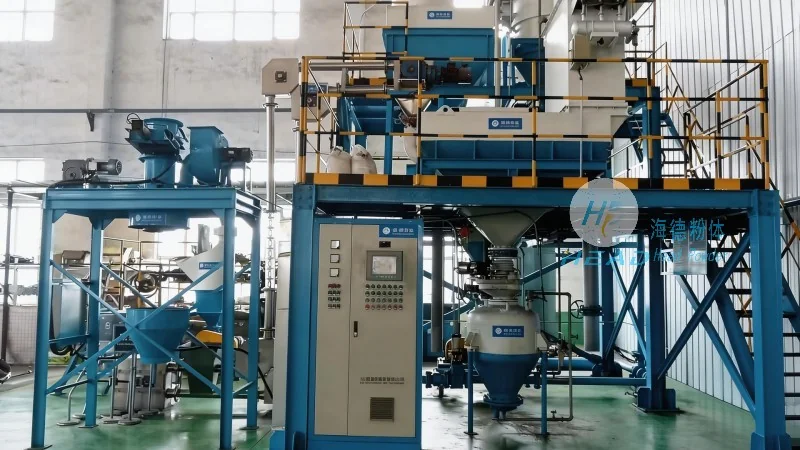
Applications of Pneumatic Conveying in Industry
Crystalline solids pneumatic conveying is widely used in various industries, including pharmaceuticals, food processing, chemical manufacturing, and mining. In the pharmaceutical industry, it is used to transport active pharmaceutical ingredients (APIs) and excipients, ensuring a clean and hygienic process. In food processing, it is used to handle ingredients like sugar, salt, and spices, maintaining product quality and safety. In chemical manufacturing, it is used to transport raw materials and intermediates, improving process efficiency and reducing labor costs. In mining, it is used to transport minerals and ores, facilitating the extraction and processing of raw materials. The versatility of pneumatic conveying makes it an ideal solution for handling crystalline solids in these and other industries.
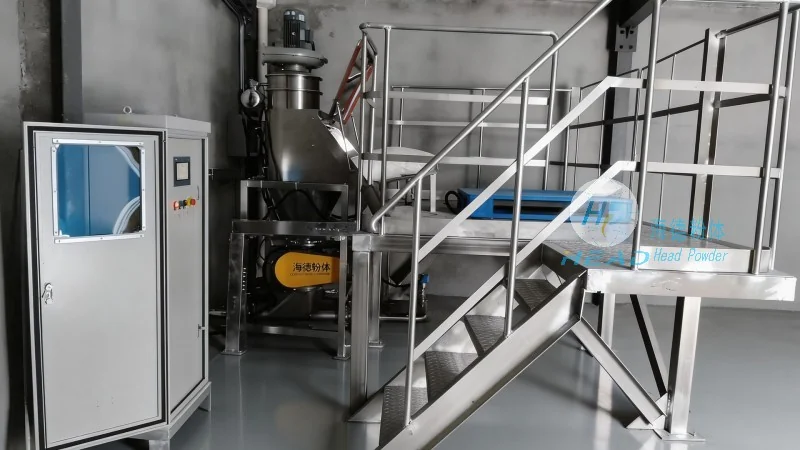
Advantages and Challenges of Crystalline Solids Pneumatic Conveying
One of the primary advantages of pneumatic conveying for crystalline solids is its ability to handle materials that are difficult to transport via other methods. It can transport materials over long distances, through vertical and horizontal sections, and even around obstacles. Additionally, it can be integrated with other processing equipment, such as mixers and classifiers, to form a complete production line. However, there are also challenges associated with this technology. One of the main challenges is the potential for material degradation due to friction and impact within the pipeline. Another challenge is the need for regular maintenance to prevent blockages and ensure consistent performance. Proper system design and operation are essential to mitigate these challenges and maximize the benefits of pneumatic conveying.
Conclusion and Company Overview
Crystalline solids pneumatic conveying is a vital technology for industries that handle bulk materials. Its ability to efficiently and safely transport crystalline solids makes it an indispensable part of many production processes. As a leading provider of engineering solutions, Shandong HeadPowder Engineering Co., Ltd. specializes in the design, manufacturing, and installation of pneumatic conveying systems tailored to the specific needs of crystalline solids. With a focus on quality, innovation, and customer satisfaction, HeadPowder offers comprehensive solutions that enhance operational efficiency and product quality. Based in Shandong, China, HeadPowder leverages its expertise and experience to deliver reliable and effective pneumatic conveying systems for a wide range of applications.