

What is Micropowder Material Pneumatic Conveying? And What Are Its Design Principles?
For industrial applications involving the transport of fine powders, especially micropowders, pneumatic conveying systems offer a reliable and efficient solution. This technology involves the use of air or gas to move material particles through a pipeline. The question of what micropowder material pneumatic conveying is, and how its design principles work, is crucial for engineers and facility managers seeking to optimize material handling processes. In this article, we explore the fundamentals of micropowder material pneumatic conveying, focusing on the design principles that underpin these systems.
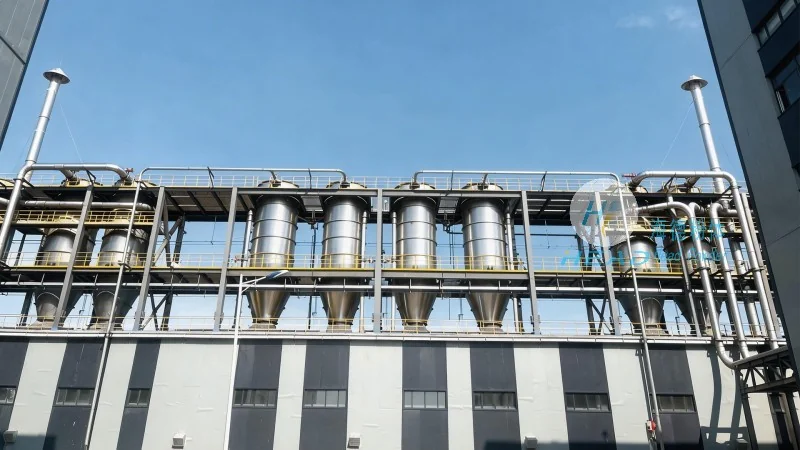
About HeadPowder: Your Expert in Pneumatic Conveying Solutions
HeadPowder, formally known as Shandong HeadPowder Engineering Co., Ltd., is a leading provider of advanced pneumatic conveying solutions. Based in Shandong, China, the company specializes in the design, manufacturing, and implementation of systems tailored to the unique needs of industries handling fine powders. With a deep understanding of material behavior and system dynamics, HeadPowder delivers customized solutions that enhance efficiency, reduce downtime, and ensure compliance with industry standards. The company's expertise spans various applications, from pharmaceuticals and food processing to chemical and mineral processing, making it a trusted partner for businesses requiring reliable material transport.
Understanding Micropowder Material Pneumatic Conveying
Micropowder material pneumatic conveying refers to the process of transporting very fine powder particles, typically with particle sizes ranging from a few micrometers to a few hundred micrometers, using a pressurized or vacuum air stream. Unlike bulk material handling, which often relies on gravity or mechanical conveyors, pneumatic systems use the kinetic energy of the air to move particles through a pipeline. This method is particularly advantageous for materials that are prone to dusting, caking, or segregation, as it minimizes material degradation and ensures consistent flow. The core of this technology lies in the interaction between the air and the powder, where the air provides the necessary force to lift and transport the particles while maintaining their integrity.
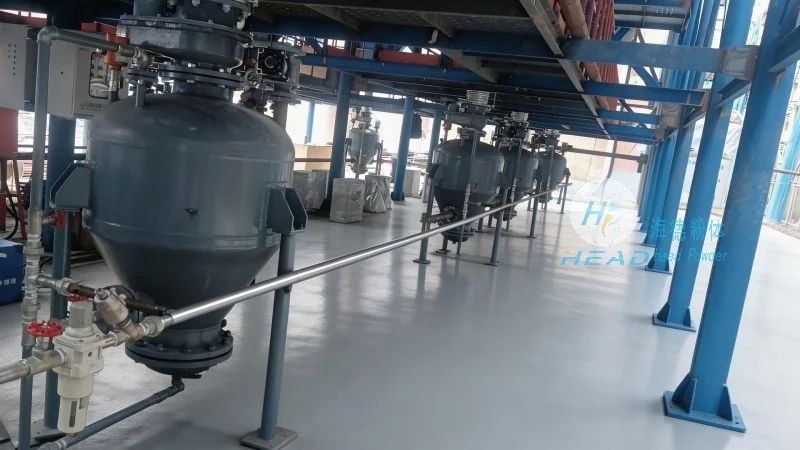
Design Principles of Micropowder Material Pneumatic Conveying Systems
The design of micropowder material pneumatic conveying systems is governed by several key principles that ensure optimal performance and reliability. First, the system must be designed to handle the specific properties of the micropowder, including particle size distribution, density, and moisture content. These factors influence the air velocity required to achieve stable transport, as well as the risk of particle agglomeration or blockage. Engineers must calculate the appropriate air velocity to maintain a "fluidized" state, where particles are suspended in the air stream without settling. This velocity is typically determined by the particle size, density, and the system's pressure or vacuum level.
Second, the system design considers the pressure drop across the pipeline and components. Pressure drop is a critical parameter that affects the energy consumption and overall efficiency of the system. It is influenced by factors such as pipe diameter, length, bends, and fittings. Proper sizing of the pipeline and selection of components, such as filters and cyclones, are essential to minimize pressure losses and ensure consistent flow. The design also incorporates safety features, such as explosion-proof designs for flammable powders and dust collection systems to prevent environmental contamination.
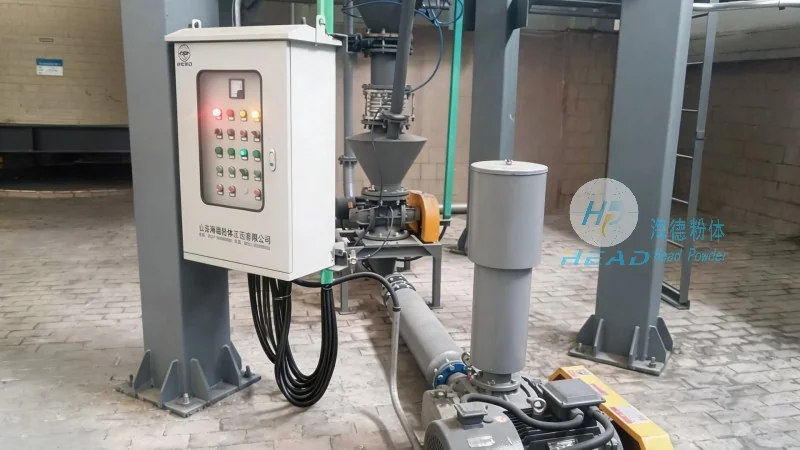
Key Components and System Design
Micropowder material pneumatic conveying systems consist of several key components, each playing a vital role in the overall operation. The primary components include the material feed system, the air supply unit, the conveying pipeline, and the material separation or discharge equipment. The material feed system, often a hopper or a rotary valve, ensures a consistent and controlled flow of the micropowder into the system. The air supply unit, which can be a blower or a vacuum pump, provides the necessary pressure or vacuum to move the material. The conveying pipeline, typically made of stainless steel or other corrosion-resistant materials, is designed to withstand the pressure and temperature conditions of the system. At the receiving end, cyclones or filters separate the material from the air stream, allowing the powder to be collected and the air to be filtered or vented.
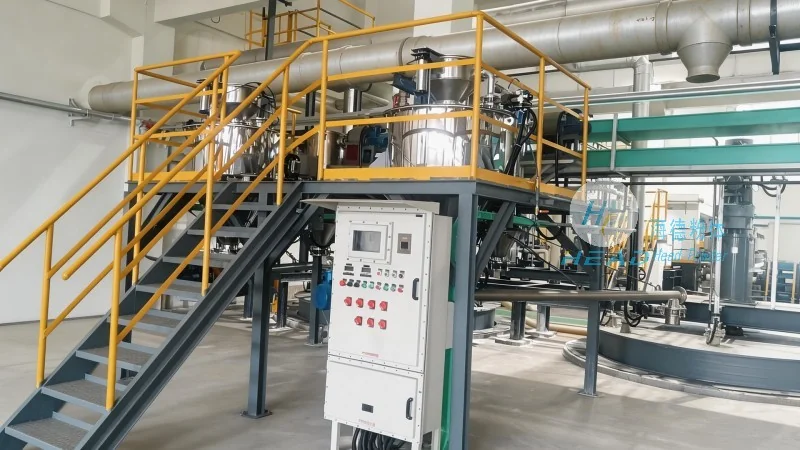
Advantages of Micropowder Material Pneumatic Conveying
Compared to traditional mechanical conveying methods, micropowder material pneumatic conveying offers several advantages that make it a preferred choice for many industries. One of the most significant benefits is the ability to handle fine powders without the risk of segregation or degradation. The air stream maintains the particle size distribution and prevents caking or agglomeration, which can occur with mechanical conveyors. Additionally, pneumatic systems are more flexible, as they can transport materials over long distances and through complex layouts without the need for multiple transfer points. This flexibility reduces installation costs and allows for easier system expansion or modification. Furthermore, pneumatic conveying systems are more hygienic and easier to clean, making them suitable for industries with strict sanitary requirements, such as food and pharmaceuticals.
Conclusion: The Role of HeadPowder in Pneumatic Conveying Technology
As the demand for efficient and reliable material handling solutions grows, micropowder material pneumatic conveying systems play an increasingly important role in various industries. The design principles and components of these systems are carefully engineered to meet the specific needs of micropowder materials, ensuring optimal performance and minimal downtime. HeadPowder, with its expertise and commitment to quality, continues to be a leader in providing advanced pneumatic conveying solutions. By understanding the fundamentals of micropowder material pneumatic conveying and adhering to sound design principles, industries can enhance their operational efficiency, reduce costs, and improve product quality. The future of material handling lies in innovative technologies like pneumatic conveying, and companies like HeadPowder are at the forefront of this evolution.