

What is the pneumatic conveying of gypsum powder? The design principles explained
When it comes to handling and transporting gypsum powder, the method of pneumatic conveying has emerged as a highly efficient and reliable solution. This technique involves the use of air or gas to transport bulk materials like gypsum powder through a pipeline system. As a leading provider in the field, Shandong HeadPowder Engineering Co., Ltd. specializes in designing and implementing such systems, ensuring optimal performance and safety for various industrial applications.
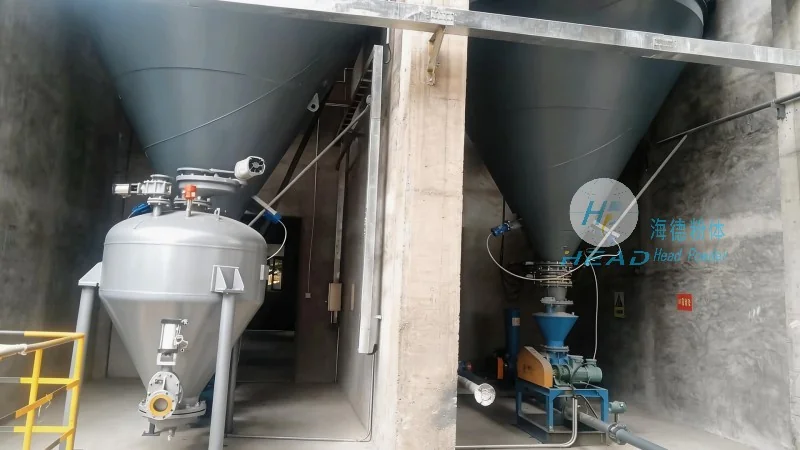
Understanding the Pneumatic Conveying Process for Gypsum Powder
Pneumatic conveying for gypsum powder operates by creating a flow of air within a pipeline, which then carries the powder particles from the source to the destination. This process can be categorized into different types, including dilute-phase and dense-phase conveying, each with its own advantages and applications. The choice of system depends on factors such as the material's characteristics, the distance to be covered, and the required flow rate. Dilute-phase systems are typically used for shorter distances and lower material loads, while dense-phase systems are preferred for longer distances or when handling more abrasive materials.
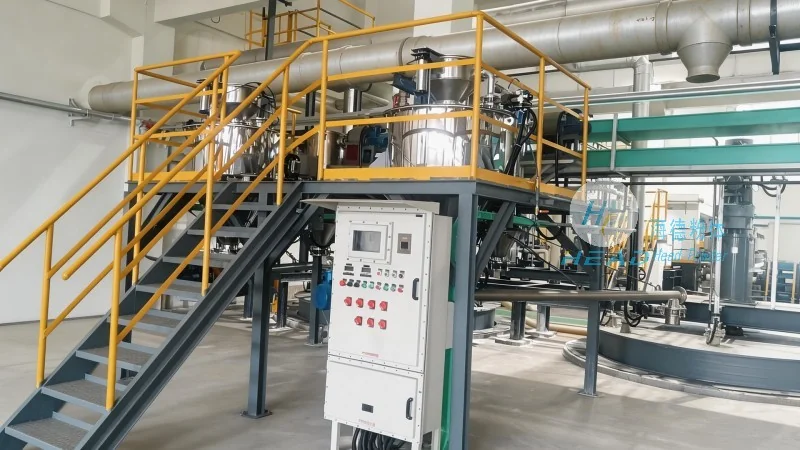
Key Design Principles for Efficient Gypsum Powder Conveying Systems
The design principles for gypsum powder pneumatic conveying systems are critical to ensure efficiency and reliability. Key considerations include the selection of appropriate air velocity, pipeline diameter, and material feed mechanisms. The air velocity must be sufficient to overcome the resistance of the powder particles and maintain a stable flow. Additionally, the pipeline design must account for the material's density, flowability, and potential for agglomeration. Proper sizing of the conveying line and the use of appropriate fittings, such as bends and elbows, are essential to minimize pressure losses and prevent blockages. The system also requires effective dust control measures, as gypsum powder is often fine and can create airborne particles that need to be managed for safety and environmental compliance.
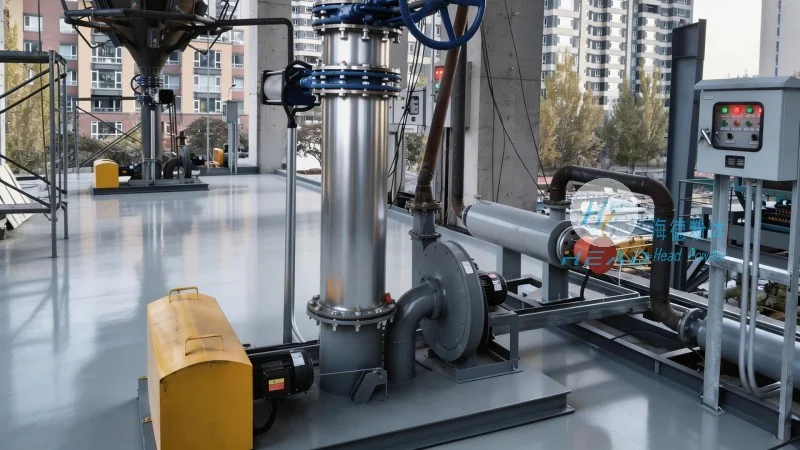
The Role of Material Properties in Gypsum Powder Conveying
The properties of gypsum powder itself play a significant role in the design and operation of pneumatic conveying systems. Gypsum is a calcium sulfate dihydrate with a Mohs hardness of about 2, making it relatively soft and prone to dusting. Its flowability is influenced by factors like moisture content, particle size distribution, and the presence of additives. Materials with higher moisture content may require pre-drying to improve flow characteristics and prevent clogging. The particle size distribution also affects the conveying velocity; finer particles tend to require higher air velocities to maintain suspension. Understanding these material properties allows engineers to tailor the system design to the specific needs of the application, ensuring optimal performance and minimizing operational issues.
Engineering Solutions by Shandong HeadPowder Engineering Co., Ltd.
Shandong HeadPowder Engineering Co., Ltd., commonly known as HeadPowder, is a reputable company based in Shandong, China, dedicated to providing advanced engineering solutions for material handling and conveying systems. With years of experience in the industry, HeadPowder specializes in the design, manufacturing, and installation of pneumatic conveying systems tailored to the unique requirements of gypsum powder and other bulk materials. The company's expertise lies in integrating cutting-edge technology with practical engineering to deliver systems that are efficient, durable, and cost-effective. By leveraging their deep understanding of material behavior and system dynamics, HeadPowder ensures that each project meets the highest standards of performance and safety.
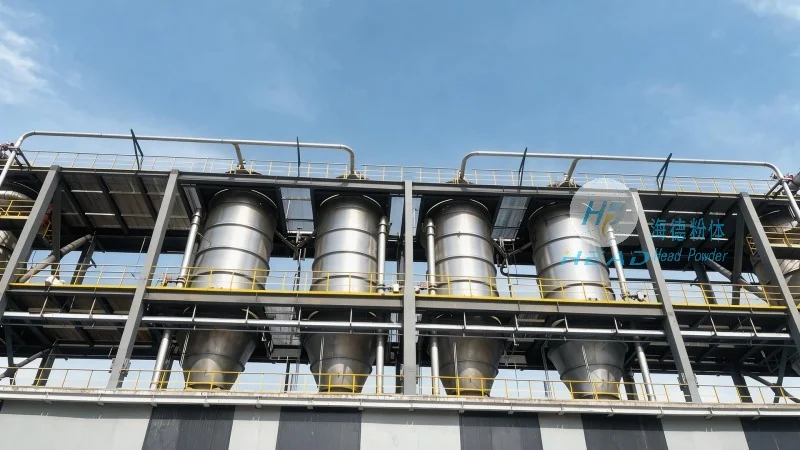
Conclusion
In conclusion, pneumatic conveying of gypsum powder is a sophisticated process that relies on sound engineering principles to achieve efficient material transport. The design of such systems must consider the material's properties, the operational requirements, and the environmental and safety regulations. Companies like Shandong HeadPowder Engineering Co., Ltd. play a vital role in developing and implementing these systems, ensuring that industries can handle gypsum powder safely and effectively. As the demand for efficient material handling solutions continues to grow, the importance of well-designed pneumatic conveying systems for gypsum powder will only increase, making it a critical component in various industrial applications.