

Diatomaceous Earth Mineral Powder Pneumatic Conveying: What It Is and Its Design Principles
Understanding the pneumatic conveying of diatomaceous earth mineral powder is crucial for industries that rely on efficient material handling solutions. This process involves transporting fine powders like diatomaceous earth through a pipeline using a stream of air or gas. The design principles behind such systems are tailored to the unique properties of diatomaceous earth, ensuring optimal performance and reliability.
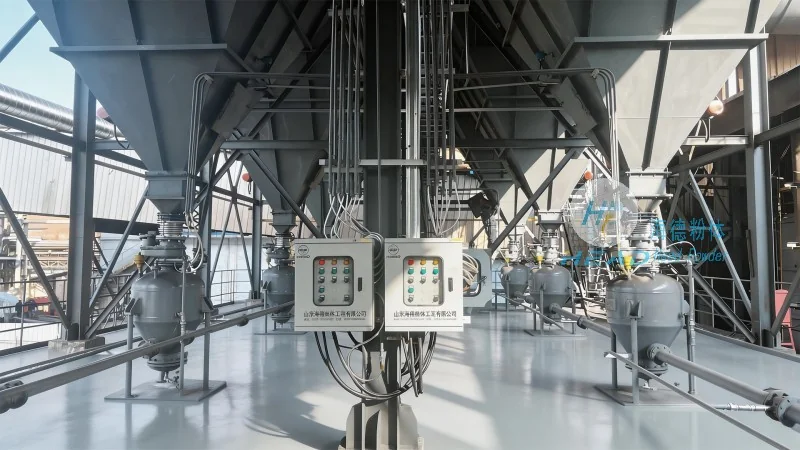
Introduction to Diatomaceous Earth Mineral Powder Pneumatic Conveying
Diatomaceous earth, a natural sedimentary rock composed of fossilized diatoms, is widely used in various applications including filtration, abrasives, and animal feed. Its fine, porous structure and low bulk density make it an ideal material for pneumatic conveying systems. However, the challenges associated with handling such powders—such as dust generation, caking, and blockage—require specialized design considerations. The pneumatic conveying system for diatomaceous earth aims to address these challenges while maintaining high efficiency and low maintenance costs.
Key Components of a Diatomaceous Earth Pneumatic Conveying System
A typical pneumatic conveying system for diatomaceous earth consists of several critical components that work in tandem to ensure smooth material transport. These components include the material feed hopper, which holds the diatomaceous earth and provides a controlled feed rate; the air or gas source, such as a blower or compressor, which generates the conveying air; the pipeline system, which transports the powder-air mixture; and the discharge equipment, which delivers the material to the destination. Each component is designed to handle the specific characteristics of diatomaceous earth, such as its low bulk density and fine particle size.
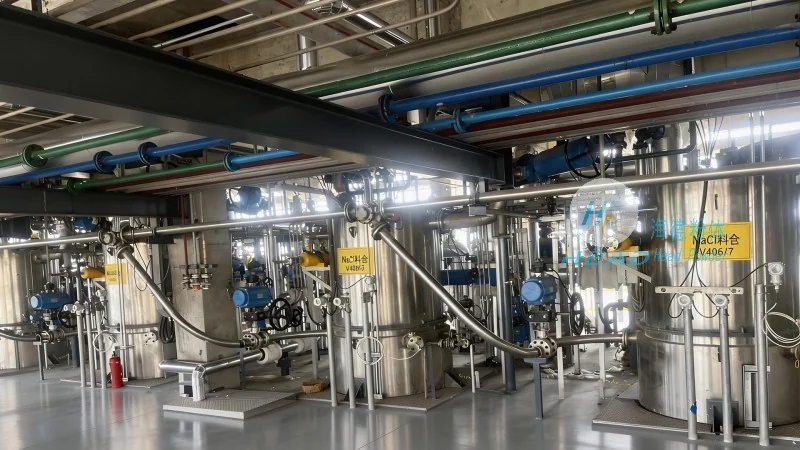
Design Principles for Efficient Diatomaceous Earth Pneumatic Conveying
The design of a pneumatic conveying system for diatomaceous earth is guided by several key principles aimed at maximizing efficiency and minimizing operational issues. One of the primary principles is maintaining a consistent air velocity within the pipeline. The air velocity must be high enough to prevent particle settling and caking but low enough to avoid excessive pressure drop and energy consumption. For diatomaceous earth, this typically ranges from 20 to 30 meters per second, depending on the system configuration and material properties.
Another critical design principle is the use of appropriate pipeline materials and diameters. Diatomaceous earth is abrasive and can cause wear on metal surfaces over time. Therefore, pipelines are often made of corrosion-resistant materials like stainless steel or polyethylene, with diameters selected based on the material flow rate and air velocity. The system also incorporates features like bends and elbows with smooth transitions to minimize pressure losses and prevent particle accumulation.
Control and Monitoring Systems in Diatomaceous Earth Pneumatic Conveying
Effective control and monitoring are essential for maintaining the performance of a diatomaceous earth pneumatic conveying system. Modern systems utilize sensors and control devices to monitor parameters such as air pressure, flow rate, and material level. These sensors provide real-time data that allows operators to adjust the system settings as needed, ensuring optimal operation. For example, if the air pressure drops, the system can automatically increase the feed rate or adjust the blower speed to maintain consistent material transport. This level of automation helps reduce downtime and improve overall system reliability.
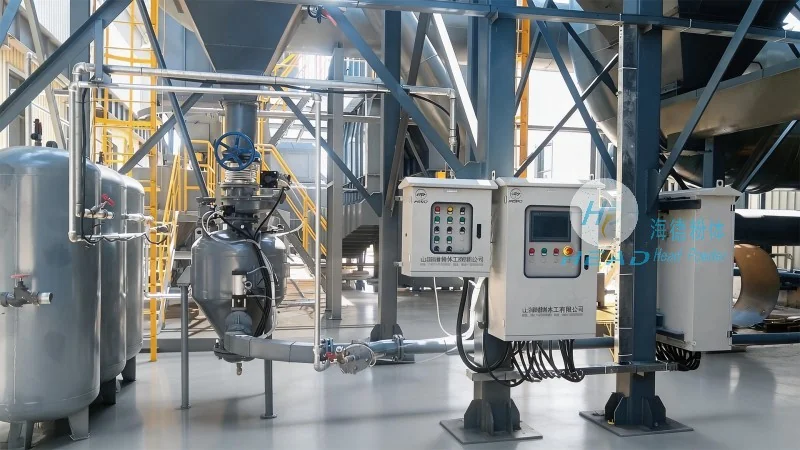
Applications and Benefits of Diatomaceous Earth Pneumatic Conveying
The pneumatic conveying of diatomaceous earth offers numerous benefits for industries that handle this material. One of the main advantages is the ability to transport the powder over long distances without the need for mechanical equipment like conveyors or elevators. This reduces installation costs and space requirements, making it suitable for both new and existing facilities. Additionally, pneumatic conveying systems can be designed to handle large volumes of material, making them ideal for high-production applications. The process also minimizes dust exposure for operators, improving workplace safety and reducing the risk of respiratory issues associated with fine powders.
Conclusion and Company Overview
Efficient pneumatic conveying of diatomaceous earth mineral powder is a critical aspect of material handling in various industries. The design principles outlined above, combined with the right components and control systems, ensure that such systems operate reliably and efficiently. Shandong HeadPowder Engineering Co., Ltd., a leading provider of material handling solutions, specializes in designing and manufacturing pneumatic conveying systems tailored to the unique needs of diatomaceous earth and other fine powders. With a focus on innovation and customer satisfaction, the company has established itself as a trusted partner for industries seeking reliable and cost-effective material transport solutions. Based in Shandong, China, HeadPowder Engineering leverages its expertise to deliver high-quality systems that meet the demands of modern industrial applications.