

What is PFA Material Pneumatic Conveying? Exploring Design Principles
When it comes to handling polytetrafluoroethylene (PTFE) and its fluoropolymer derivatives, such as perfluoroalkoxy (PFA), efficient material transport is crucial for industrial processes. Pneumatic conveying systems offer a reliable solution for moving PFA materials, which are known for their chemical resistance, thermal stability, and non-stick properties. This article delves into the concept of PFA material pneumatic conveying and explores the fundamental design principles that underpin such systems.
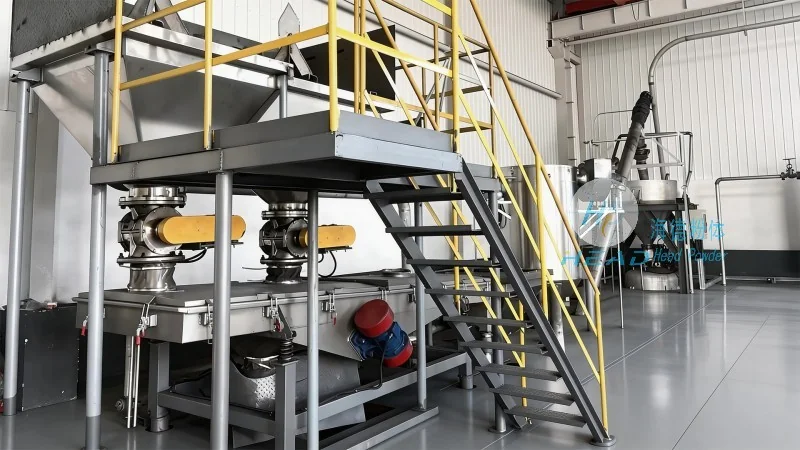
What is PFA Material Pneumatic Conveying?
PFA material pneumatic conveying refers to the process of transporting PFA powders or granules through a pipeline using a pressurized gas stream, typically air or an inert gas. Unlike mechanical conveying methods like screw conveyors or belt conveyors, pneumatic systems rely on the kinetic energy of the gas to move the material. This method is particularly advantageous for PFA, as it minimizes material degradation, prevents contamination, and allows for precise control over the flow rate and distribution of the material.
Key Components of PFA Pneumatic Conveying Systems
Designing an effective PFA pneumatic conveying system involves integrating several critical components that work in harmony to ensure efficient material transport. The primary components include:
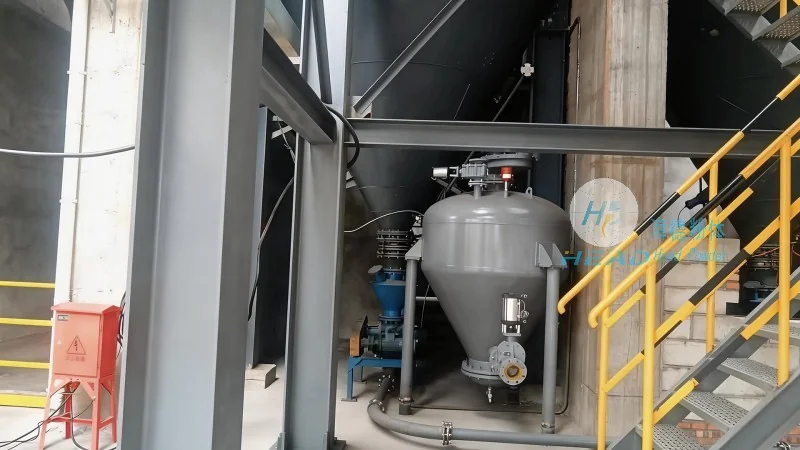
- Feeder: The feeder is responsible for introducing the PFA material into the conveying line at a controlled rate. For PFA, which can be abrasive or have a tendency to agglomerate, a suitable feeder such as a rotary valve or a vibratory feeder is often used to maintain a consistent flow.
- Pneumatic Conveying Unit (PCU): This is the core of the system, consisting of a blower or a positive displacement compressor that generates the necessary air pressure to move the material. The PCU is typically equipped with filters to ensure the air is clean and free from contaminants that could affect the PFA material.
- Piping System: The pipeline is designed to handle the specific characteristics of PFA, including its low density and potential for static charge. The piping is usually made of materials like stainless steel or PFA-coated tubing to prevent material buildup and ensure smooth flow.
- Separation and Collection Equipment: At the receiving end, the system includes equipment such as cyclones or bag filters to separate the PFA material from the air stream and collect it in a container. This step is essential to maintain the purity of the PFA material and prevent dust emissions.
Design Principles for PFA Pneumatic Conveying
The design of a PFA pneumatic conveying system must consider several key principles to ensure optimal performance and longevity. These principles include:
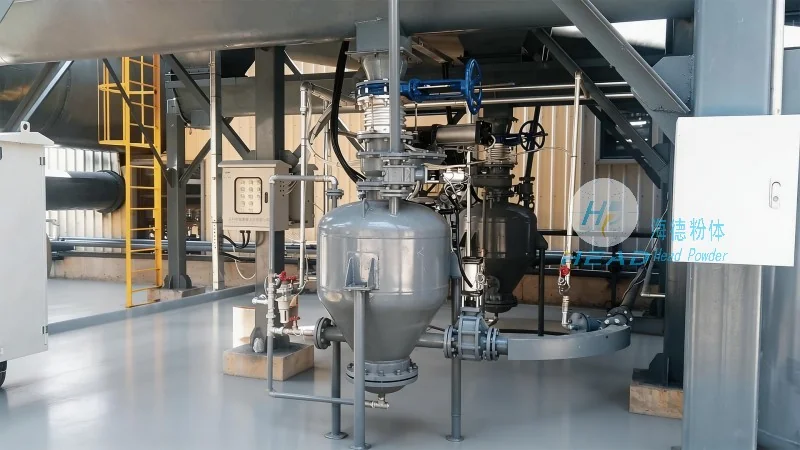
- Material Characteristics: PFA is a low-density, low-shear material that can be prone to static charge. Designers must account for these properties by selecting appropriate materials for the piping and ensuring proper grounding to prevent static buildup, which could lead to material discharge issues or equipment damage.
- Flow Velocity and Pressure: The velocity of the air stream and the pressure within the system are critical factors. The velocity must be high enough to keep the PFA particles in suspension but not so high as to cause excessive wear on the equipment or degrade the material. The pressure is typically maintained at a level that ensures the material is conveyed efficiently without excessive energy consumption.
- System Sizing and Layout: Proper sizing of the feeder, blower, and piping is essential to avoid bottlenecks or excessive pressure drops. The layout of the system, including the placement of the feeder, PCU, and collection equipment, must be optimized to minimize the length of the conveying line and reduce energy costs.
- Contamination Control: PFA is highly sensitive to contamination, so the system must be designed with cleanability in mind. Components such as filters and seals should be easily accessible for maintenance and cleaning to prevent the introduction of foreign particles into the PFA material.
Applications of PFA Pneumatic Conveying
PFA material pneumatic conveying is widely used in various industries where PFA is processed or handled. Some common applications include:
- Pharmaceutical and Chemical Manufacturing: PFA is used in the production of specialty chemicals and pharmaceuticals, where its chemical resistance and purity are critical. Pneumatic conveying ensures that the material is handled without contamination, maintaining product quality.
- Electronics and Semiconductor Manufacturing: PFA is used in the production of electronic components and semiconductor devices, where its non-stick and low friction properties are advantageous. The system helps in transporting PFA powders to coating or molding processes.
- Food and Beverage Industry: While PFA is not typically used in food applications due to regulatory restrictions, its use in related industries, such as the production of food processing equipment, requires efficient material handling. Pneumatic conveying ensures that PFA components are transported safely and without contamination.
Conclusion
PFA material pneumatic conveying is a sophisticated and effective method for transporting PFA materials in industrial settings. By understanding the design principles and key components involved, manufacturers can develop systems that are efficient, reliable, and capable of handling the unique properties of PFA. Companies like Shandong HeadPowder Engineering Co., Ltd., with their expertise in material handling systems, play a vital role in providing tailored solutions for PFA pneumatic conveying, ensuring that industries can leverage the benefits of PFA materials while maintaining operational efficiency and product quality.