

What is a Petrochemical Material Pneumatic Conveying System? And What Are Its Design Principles?
For industrial operations in the petrochemical sector, the efficient and safe handling of bulk materials is a critical concern. A pneumatic conveying system is a key technology designed to transport solid or liquid materials through a pipeline using a gas stream, typically air or other gases. This method offers advantages such as reduced labor costs, improved safety by eliminating manual handling, and the ability to transport materials over long distances without the need for intermediate storage or transfer points. The system is particularly suitable for handling powders, granules, and other fine materials commonly found in petrochemical processing plants, as designed by Shandong HeadPowder Engineering Co., Ltd.
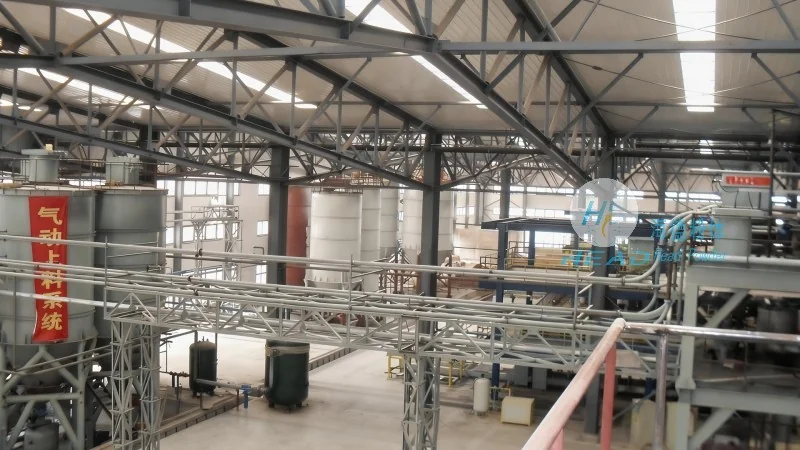
Components of a Petrochemical Pneumatic Conveying System
At the core of any pneumatic conveying system are several essential components that work in tandem to ensure effective material transport. The primary components include a material feed hopper or feeder, a conveying pipeline, a gas source (usually a blower or compressor), and a discharge unit. The feed hopper is responsible for storing and metering the material into the system, ensuring a consistent flow rate. The pipeline, often made of stainless steel or other corrosion-resistant materials, is designed to withstand the pressures and temperatures associated with petrochemical applications. The gas source provides the necessary pressure and volume of air or gas to propel the material through the pipeline. Finally, the discharge unit, which may include a receiver or a rotary valve, collects the material at the destination point and regulates its release.
Design Principles for Petrochemical Pneumatic Conveying Systems
The design of a petrochemical pneumatic conveying system involves careful consideration of several factors to ensure optimal performance, safety, and reliability. One of the first considerations is the selection of the appropriate conveying method, which can be categorized as dilute-phase or dense-phase. Dilute-phase systems use low pressure and high air velocity to transport material, making them suitable for short distances and fine powders. Dense-phase systems, on the other hand, use higher pressure and lower air velocity, allowing for the transport of larger particles and over longer distances with less segregation. The choice between these methods depends on the specific material characteristics, such as particle size, density, and flowability, as well as the required transport distance and system efficiency.
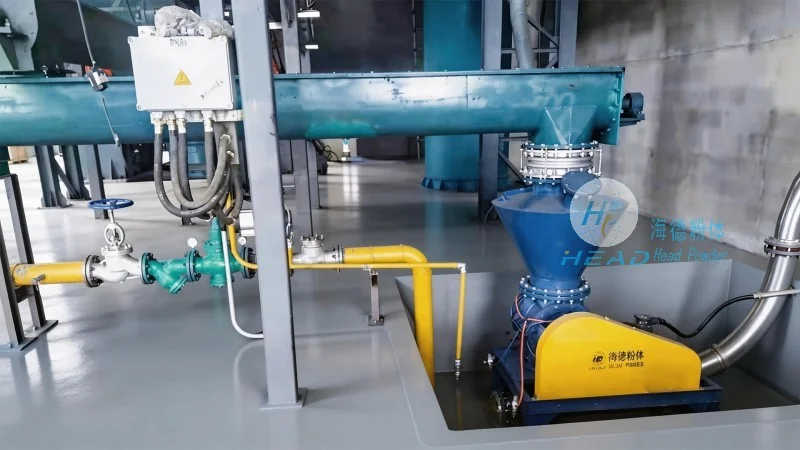
Material Handling Considerations in Petrochemical Applications
In petrochemical facilities, the materials being transported often have unique properties that must be accounted for in the system design. For example, some powders may be abrasive, corrosive, or have a tendency to agglomerate, which can affect the system's performance and lifespan. The selection of materials for the pipeline and other components is therefore critical. Stainless steel is commonly used due to its resistance to corrosion and wear, while special coatings or linings may be applied to protect against aggressive chemicals. Additionally, the system must be designed to handle variations in material flow rate and moisture content, as these factors can impact the conveying efficiency and require adjustments to the gas flow or pressure.
System Integration and Safety Features
A well-designed petrochemical pneumatic conveying system is not only efficient but also integrates seamlessly with the overall plant operations and incorporates essential safety features. The system may be integrated with other process equipment, such as storage tanks or reactors, to form a closed-loop system that minimizes material loss and environmental impact. Safety features include pressure relief valves to prevent over-pressurization, explosion-proof components to handle flammable materials, and monitoring systems to detect leaks or blockages. These features are crucial in petrochemical environments where the risk of fire, explosion, or environmental contamination is high.
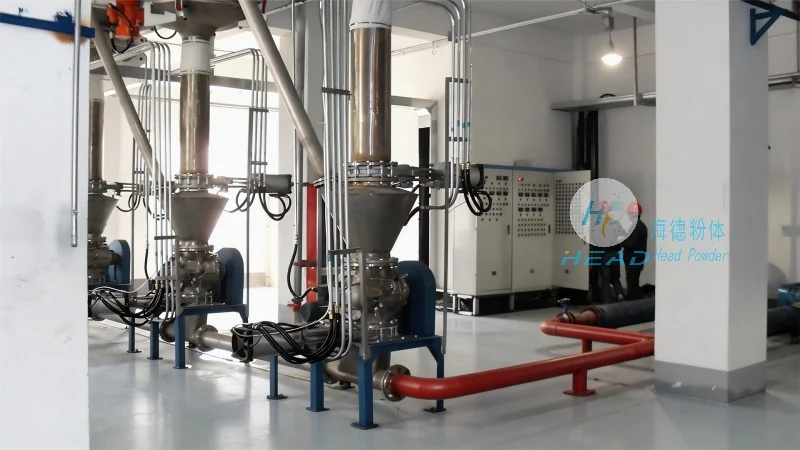
Case Study: Application in a Petrochemical Plant
Consider a typical application of a pneumatic conveying system in a petrochemical plant. The plant processes raw materials into various products, and the handling of intermediate powders is a key step. The system is designed to transport a fine powder from a storage silo to a reactor unit located several hundred meters away. The system uses a dense-phase conveying method due to the long distance and the need to maintain material integrity. The pipeline is constructed from stainless steel with a diameter suitable for the material flow rate, and the gas source is a high-pressure blower that provides the necessary pressure to move the material. The feed hopper is equipped with a rotary valve to control the material flow, and the discharge unit is a receiver with a valve to regulate the material release into the reactor. The system operates continuously, ensuring a steady supply of material to the reactor while maintaining safety and efficiency. This example illustrates how a well-designed pneumatic conveying system can enhance the productivity and safety of petrochemical operations.
Conclusion: The Importance of Proper Design and Implementation
In conclusion, a petrochemical material pneumatic conveying system is a vital component of modern petrochemical processing facilities. Its design must consider the specific material properties, transport requirements, and safety regulations to ensure optimal performance. By integrating appropriate components, selecting the right conveying method, and incorporating safety features, the system can effectively handle bulk materials, reduce operational costs, and enhance overall plant efficiency. For companies operating in the petrochemical industry, investing in a well-designed pneumatic conveying system is a strategic decision that can lead to long-term benefits and improved competitiveness.