

What is a Glycine Material Pneumatic Conveying Machine? And What Are Its Design Principles?
Glycine, also known as aminoacetic acid, is a simple amino acid widely used in the chemical, pharmaceutical, and food industries. The transportation of glycine and its derivatives often requires specialized equipment to ensure efficiency, safety, and product integrity. This article explores the concept of a glycine material pneumatic conveying machine and delves into its design principles, highlighting the technology's importance in industrial applications.
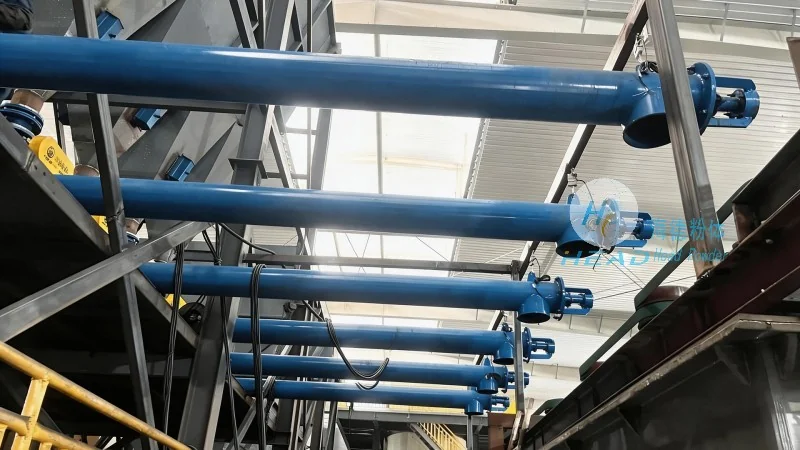
Introduction to Glycine Material Pneumatic Conveying Machines
A glycine material pneumatic conveying machine is a system designed to transport dry, free-flowing materials like glycine through a pipeline using a gas stream, typically air or a mixture of air and other gases. This method, known as pneumatic conveying, offers several advantages over traditional mechanical conveying systems, such as reduced product contamination, lower maintenance requirements, and the ability to handle materials in a closed system, minimizing dust exposure and environmental impact.
Key Components of a Pneumatic Conveying System
The effectiveness of a glycine material pneumatic conveying machine depends on several critical components that work in concert to achieve efficient material transport. These components include:
1. Feed Hopper: A container that holds the glycine material and feeds it into the conveying line. The hopper is often equipped with a rotary valve or a screw feeder to control the flow rate and prevent material bridging.
2. Conveying Pipeline: The main channel through which the glycine and air mixture travels. The pipeline is typically made of stainless steel or other corrosion-resistant materials to accommodate the chemical properties of glycine and prevent contamination.
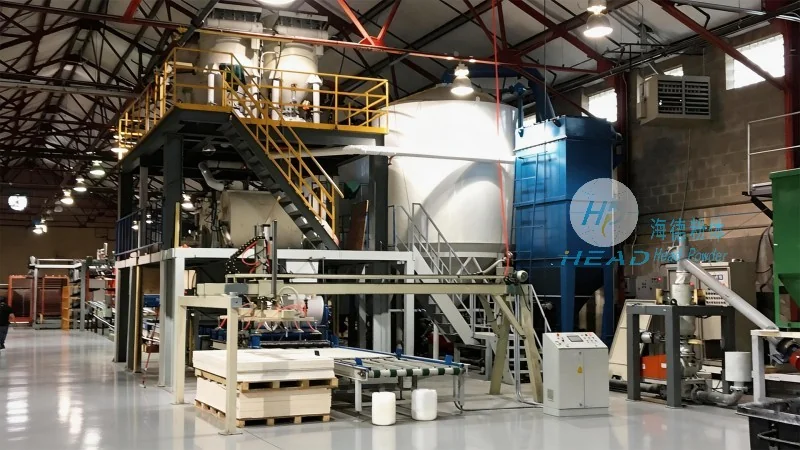
3. Air Supply System: This includes a blower or compressor that generates the necessary air pressure and volume to move the material. The air supply is often filtered and dried to ensure it does not introduce moisture or contaminants into the glycine.
4. Separation and Collection System: At the end of the conveying line, a separator (such as a cyclone or bag filter) is used to separate the glycine from the air stream. The separated material is collected in a receiving hopper, while the air is either filtered and recirculated or vented to the atmosphere.
Design Principles for Efficient Glycine Conveying
The design of a glycine material pneumatic conveying machine must consider several factors to ensure optimal performance and reliability. Key design principles include:
1. Material Compatibility: The equipment must be constructed from materials that are compatible with glycine and its potential byproducts. Stainless steel is commonly used for its corrosion resistance and ability to maintain product purity.
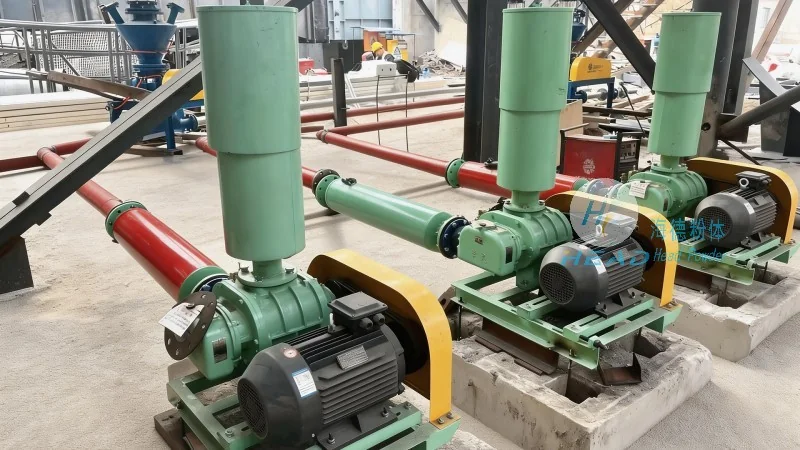
2. Flow Rate and Pressure Management: The system must be designed to handle the specific flow rate and pressure requirements of the glycine material. This involves selecting appropriate blower capacity, pipeline diameter, and valve settings to prevent blockages or excessive energy consumption.
3. Prevention of Agglomeration: Glycine can sometimes agglomerate, especially when exposed to moisture or high temperatures. The design may include features such as air knives or vibrators to break up agglomerates and ensure smooth flow through the pipeline.
4. Energy Efficiency: Modern pneumatic conveying systems are designed to minimize energy consumption. This can be achieved through the use of efficient blowers, optimized pipeline design, and the recirculation of filtered air, reducing operational costs over time.
Applications and Benefits in Industrial Settings
Glycine material pneumatic conveying machines are widely used in various industrial sectors due to their versatility and efficiency. In the pharmaceutical industry, for example, they are used to transport glycine powders for drug formulation, ensuring that the material remains sterile and free from contamination. In the chemical industry, they are employed to move glycine intermediates during production processes, maintaining product quality and safety. The benefits of using such systems include:
• Reduced product loss and contamination due to closed-system operation.
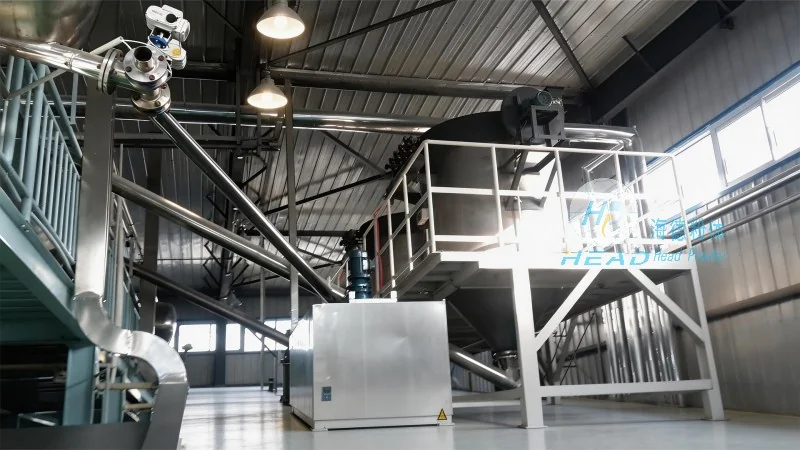
• Lower labor costs as the system can operate continuously with minimal human intervention.
• Improved workplace safety by eliminating manual handling of powders and reducing dust exposure.
• Enhanced product quality through consistent flow rates and minimal exposure to environmental factors.
About HeadPowder Engineering Co., Ltd.
HeadPowder Engineering Co., Ltd., a leading manufacturer based in Shandong, China, specializes in the design and production of advanced pneumatic conveying systems for a wide range of industrial applications. With years of experience in the field, HeadPowder provides customized solutions tailored to the specific needs of clients, ensuring that their glycine material conveying systems are efficient, reliable, and compliant with industry standards. The company's commitment to quality and innovation has made it a trusted partner for businesses seeking to optimize their material handling processes.