

What is an Epoxy Resin Material Pneumatic Conveyor? Design Principles Explained
For industrial applications involving the handling of epoxy resin materials, efficient and reliable material transport is crucial. A pneumatic conveyor system, specifically designed for epoxy resin, offers a solution that combines precision, control, and durability. This article explores the concept of an epoxy resin material pneumatic conveyor, delving into its design principles and the technical aspects that make it an effective choice in various industrial settings.
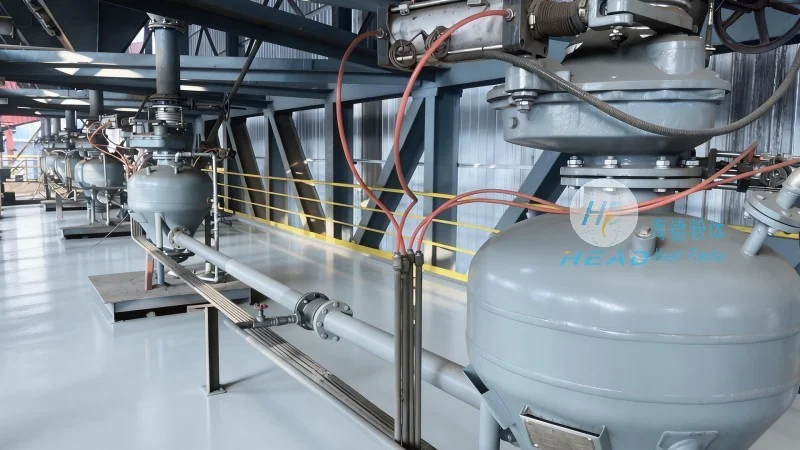
Introduction to Epoxy Resin Material Pneumatic Conveyors
Epoxy resin is a widely used polymer in industries such as construction, electronics, and manufacturing due to its excellent adhesion, chemical resistance, and mechanical properties. When handling epoxy resin powders or granules, traditional methods like bucket elevators or belt conveyors may not be suitable due to the material's characteristics—such as its tendency to stick or the need for minimal contamination. A pneumatic conveyor, which uses air pressure to move materials through a pipeline, provides a non-contact, clean, and efficient method for transporting epoxy resin. This system is particularly advantageous for applications requiring dust-free, hygienic, or low-noise operation.
Core Design Principles of Epoxy Resin Pneumatic Conveyors
The design of an epoxy resin material pneumatic conveyor is tailored to address the unique challenges posed by epoxy resin. Key design principles include:
1. **Air Pressure System**: The conveyor operates by creating a pressure differential within the pipeline. In a positive pressure system, air is blown into the pipeline, pushing the epoxy resin particles forward. In a negative pressure (or vacuum) system, air is drawn out, creating a suction that pulls the material. The choice between positive and negative pressure depends on factors like the material's density, the required transport distance, and the need for containment. For epoxy resin, which is often handled as a fine powder or granule, a positive pressure system is commonly preferred to ensure consistent flow and prevent material degradation.
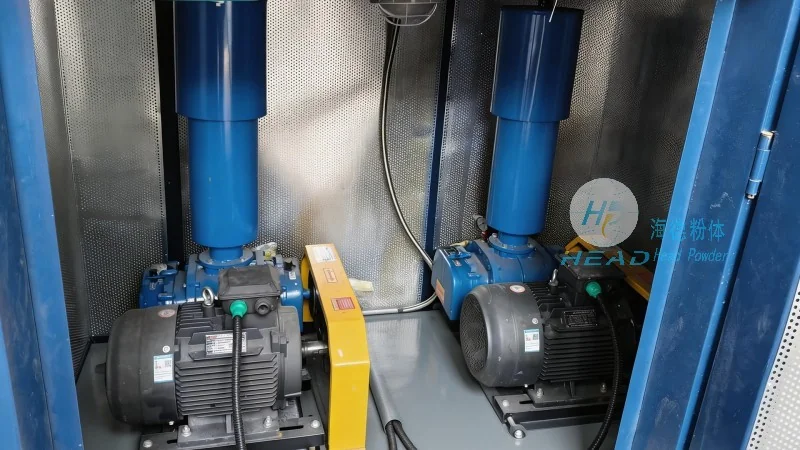
2. **Material Handling Components**: The conveyor consists of several critical components, each designed to optimize performance. These include:
- Inlet Hopper: This is where the epoxy resin is loaded. The hopper is typically equipped with a feeding mechanism, such as a screw feeder or a rotary valve, to ensure a controlled and steady flow of material into the pipeline.
- Pipeline System: The pipeline is made of materials resistant to epoxy resin, such as stainless steel or specialized plastic, to prevent corrosion and material adhesion. The diameter and length of the pipeline are carefully selected based on the material's flow characteristics and the required transport distance.
- Exhaust and Filter System: To maintain a clean and safe environment, the system includes an exhaust section with a filter. The filter captures any epoxy resin particles that may escape, preventing dust from contaminating the surrounding area and ensuring compliance with environmental regulations.
- Control Valves and Regulators: These components regulate the air pressure and flow rate, allowing operators to adjust the conveyor's performance based on the material's properties or operational needs. This ensures consistent and reliable material transport.
3. **Material Compatibility and Durability**: Epoxy resin is known for its chemical resistance and ability to adhere to surfaces. Therefore, the conveyor's components must be constructed from materials that can withstand prolonged exposure to epoxy resin without degradation. Stainless steel is a common choice for the pipeline and other critical parts due to its corrosion resistance and durability. Additionally, the system is designed to minimize friction and wear, ensuring long-term performance and reducing maintenance costs.
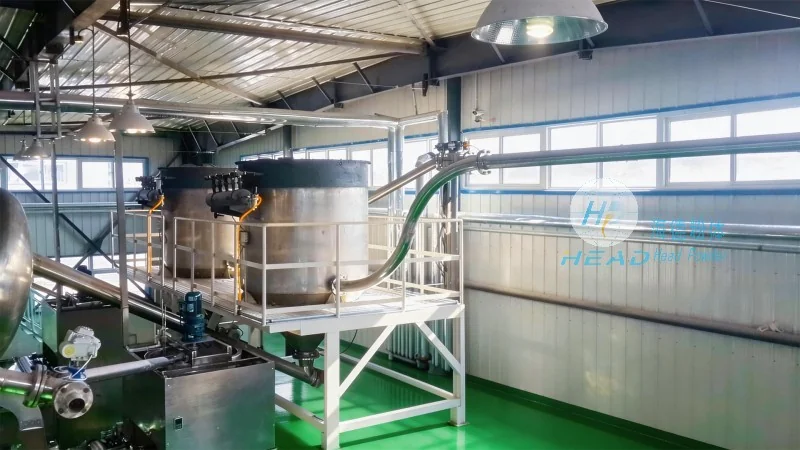
Applications and Benefits of Epoxy Resin Pneumatic Conveyors
Epoxy resin material pneumatic conveyors are used in a variety of applications across different industries. In the construction sector, they are employed to transport epoxy resin for flooring or coating applications, ensuring a uniform and consistent material supply. In electronics manufacturing, the system is used to handle epoxy resin for potting or encapsulation processes, where precision and cleanliness are paramount. The benefits of using such a conveyor include:
- Efficiency and Speed: The pneumatic system allows for rapid material transport, reducing downtime and increasing overall productivity.
- Cleanliness and Hygiene: The non-contact design prevents contamination, making it suitable for applications where product purity is critical.
- Space Efficiency: The compact design of the conveyor system saves valuable floor space, which is particularly beneficial in confined industrial environments.
- Low Maintenance: With fewer moving parts compared to traditional mechanical conveyors, the system requires less maintenance, reducing operational costs.
Company Overview: Shandong HeadPowder Engineering Co., Ltd.
Shandong HeadPowder Engineering Co., Ltd., a leading manufacturer based in China, specializes in the design and production of advanced material handling equipment, including pneumatic conveyors for epoxy resin and other industrial materials. With a strong commitment to quality and innovation, the company has established itself as a trusted partner in the industry, providing customized solutions tailored to the unique needs of its clients. HeadPowder's expertise lies in understanding the specific challenges of handling epoxy resin and developing conveyor systems that meet the highest standards of performance and reliability.
Conclusion
An epoxy resin material pneumatic conveyor is a sophisticated industrial solution that leverages air pressure to transport epoxy resin efficiently and safely. By adhering to key design principles such as material compatibility, pressure system selection, and component durability, these systems ensure optimal performance in various applications. For industries relying on epoxy resin, investing in a well-designed pneumatic conveyor not only enhances operational efficiency but also contributes to a cleaner and more sustainable production environment. As a leading provider in the field, Shandong HeadPowder Engineering Co., Ltd. continues to advance the technology, offering tailored solutions that meet the evolving demands of modern manufacturing.