

Working Principle and Features of Monosodium Glutamate Pneumatic Conveying Equipment
Monosodium glutamate (MSG), commonly known as a flavor enhancer, is widely used in the food industry. The efficient and reliable transportation of MSG from production to processing lines is crucial for maintaining product quality and operational efficiency. Pneumatic conveying systems have emerged as a preferred solution for handling MSG due to their ability to transport the material in a dust-free, hygienic manner. This article explores the working principle and key features of monosodium glutamate pneumatic conveying equipment, highlighting how these systems enhance industrial processes.
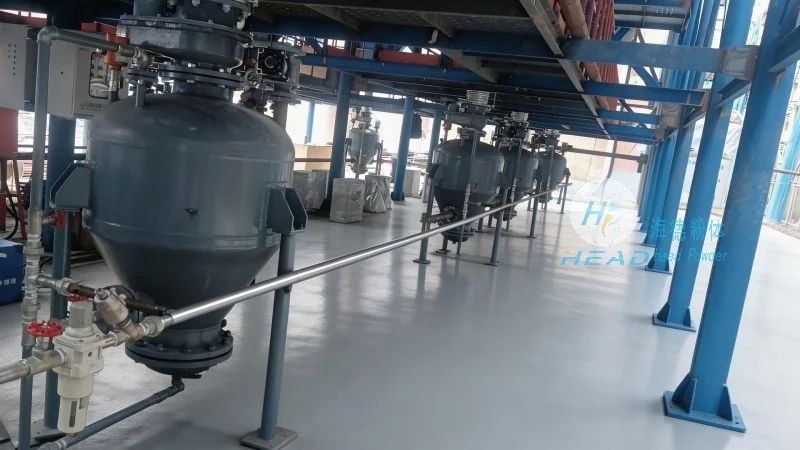
Introduction to Monosodium Glutamate Pneumatic Conveying Systems
Monosodium glutamate, or MSG, is a sodium salt of glutamic acid, widely recognized for its role in enhancing the flavor of various food products. In industrial settings, the handling of MSG requires equipment that can ensure the material is transported safely and without contamination. Pneumatic conveying systems offer a solution by using air to move the product through a sealed pipeline system. This method is particularly advantageous for MSG, which is sensitive to moisture and requires a clean environment to preserve its quality.
Working Principle of Monosodium Glutamate Pneumatic Conveying Equipment
The core of monosodium glutamate pneumatic conveying equipment lies in its air-driven mechanism. The system typically consists of a blower or compressor that generates a flow of air, which then carries the MSG particles through a series of pipes. The process can be categorized into two main types: dilute phase and dense phase pneumatic conveying. In dilute phase systems, the air velocity is high enough to keep the particles suspended, allowing for long-distance transport. Dense phase systems, on the other hand, use lower air velocities and higher material concentrations, which are suitable for handling more delicate or sensitive materials like MSG.
During operation, the MSG is fed into the system via a hopper or feeder. The air flow then lifts the particles and propels them through the pipeline to the destination point, such as a storage silo or processing unit. The system is designed to maintain a consistent flow rate, ensuring that the material is transported without clogging or loss. The use of positive pressure in the system helps to prevent contamination from external sources and maintains the hygienic standards required for food-grade products.
Key Features of Monosodium Glutamate Pneumatic Conveying Equipment
Several key features make monosodium glutamate pneumatic conveying equipment an ideal choice for industrial applications. Firstly, the system is fully enclosed, which eliminates dust and prevents contamination from the environment. This is critical for MSG, as any exposure to moisture or contaminants can affect its flavor and quality. Secondly, the equipment operates with minimal maintenance, reducing downtime and operational costs. The use of high-quality materials, such as stainless steel, ensures durability and resistance to corrosion, which is essential for handling food products.
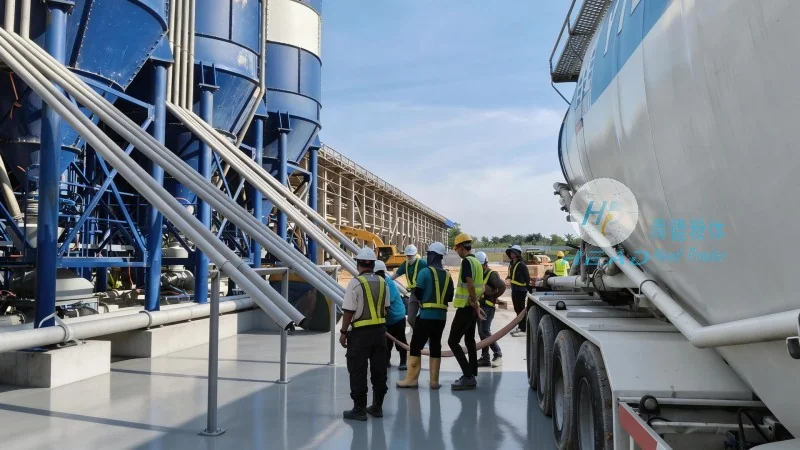
Another important feature is the flexibility of the system. Pneumatic conveying systems can be easily adjusted to accommodate varying production volumes and distances. This adaptability makes them suitable for both small-scale and large-scale operations. Additionally, the system is energy-efficient, as the air flow is optimized to minimize energy consumption while maintaining the required transport capacity. The integration of advanced control systems allows for precise monitoring and regulation of the conveying process, ensuring consistent performance.
Benefits of Using Monosodium Glutamate Pneumatic Conveying Equipment
The adoption of monosodium glutamate pneumatic conveying equipment brings numerous benefits to food processing industries. The primary advantage is the improvement in product quality and safety. By maintaining a dust-free and hygienic environment, the system prevents contamination and preserves the flavor and nutritional value of MSG. This is particularly important for manufacturers who need to meet stringent regulatory standards for food products.
Operational efficiency is another significant benefit. Pneumatic conveying systems can transport MSG over long distances with minimal labor and intervention. The automated nature of the system reduces the need for manual handling, which not only improves safety but also increases productivity. Furthermore, the system's ability to handle large volumes of material at a consistent rate enhances overall production throughput.
Cost-effectiveness is also a key consideration. Although the initial investment in pneumatic conveying equipment may be higher than traditional methods, the long-term savings in maintenance, labor, and material loss make it a cost-effective solution. The reduced need for cleaning and maintenance due to the enclosed system also contributes to lower operational costs. Additionally, the energy efficiency of the system helps to lower electricity bills, further enhancing the financial benefits.
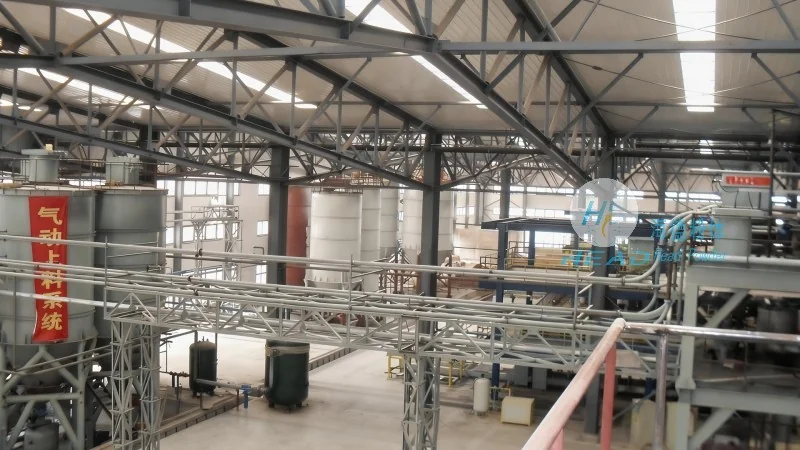
Application Examples and Industry Standards
Monosodium glutamate pneumatic conveying equipment is widely used in various food processing facilities. For instance, in large-scale MSG production plants, the system is used to transport the raw material from storage silos to the production line. In processing plants, it is employed to move the finished product from the production line to storage or packaging areas. The equipment is also used in smaller-scale operations, such as in food processing plants that handle MSG for specialty food products.
The use of monosodium glutamate pneumatic conveying equipment is governed by industry standards and regulations. These standards ensure that the equipment meets the required hygiene and safety criteria for handling food products. Manufacturers of pneumatic conveying systems, such as Shandong HeadPowder Engineering Co., Ltd., adhere to these standards to ensure that their products are reliable and safe for use in food processing industries.
Conclusion
Monosodium glutamate pneumatic conveying equipment plays a vital role in the efficient and safe handling of MSG in the food industry. The working principle, which relies on air-driven transport through sealed pipelines, ensures that the material is transported without contamination and with minimal loss. The key features of these systems, including their enclosed design, durability, and flexibility, make them an ideal choice for industrial applications. The benefits, such as improved product quality, operational efficiency, and cost-effectiveness, highlight the importance of investing in such equipment for food processing facilities.
Shandong HeadPowder Engineering Co., Ltd., a leading manufacturer of pneumatic conveying equipment, specializes in providing customized solutions for the food industry. With their expertise and commitment to quality, they offer reliable and efficient monosodium glutamate pneumatic conveying systems that meet the highest industry standards. Based in China, the company serves clients worldwide, delivering equipment that enhances the performance and safety of food processing operations.