

The Working Principle and Features of Calcium Phosphate Material Handling Systems
Calcium phosphate material handling systems are critical components in industrial processing, particularly in the manufacturing and processing of calcium phosphate compounds. These systems are widely used in industries such as food, pharmaceuticals, and chemical production, and are designed to efficiently transport and manage calcium phosphate materials. The working principle and key features of such systems are essential for optimizing operational efficiency and ensuring product quality, as exemplified by the systems developed by Shandong HeadPowder Engineering Co., Ltd. (headpowder).
The Working Principle of Calcium Phosphate Material Handling Systems
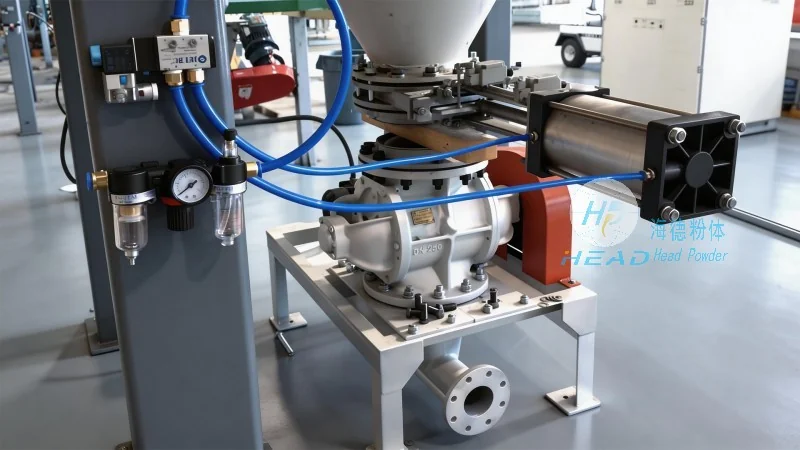
At the core of calcium phosphate material handling systems is a combination of mechanical and control technologies that facilitate the seamless movement of calcium phosphate materials from one processing stage to another. The system typically consists of several key components, including feeders, conveyors, storage silos, and control units. The working principle involves the following steps:
- Material Feeding: The process begins with the feeding of calcium phosphate raw materials into the system. This is usually done using feeders, such as rotary or vibratory feeders, which ensure a consistent and controlled flow of material into the conveyor system.
- Conveying: Once fed, the material is transported through the conveyor system. Conveyors, such as belt conveyors or screw conveyors, are commonly used to move the material horizontally or vertically. The choice of conveyor type depends on the material's characteristics, such as bulk density, moisture content, and particle size.
- Storage and Dosing: After conveying, the material may be stored in silos or hoppers for temporary storage. From there, it is dosed into subsequent processing equipment, such as mixers or reactors, using dosing mechanisms like volumetric or gravimetric feeders.
- Control and Automation: Modern calcium phosphate material handling systems are equipped with advanced control systems that monitor and regulate the entire process. Sensors and control units ensure that the material flow is consistent, preventing overloading or underflow, and maintaining the desired processing parameters.
The integration of these components allows for a continuous and automated material handling process, reducing manual intervention and minimizing the risk of material loss or contamination. This automation is crucial for maintaining product quality and operational efficiency in calcium phosphate production.
Key Features of Calcium Phosphate Material Handling Systems
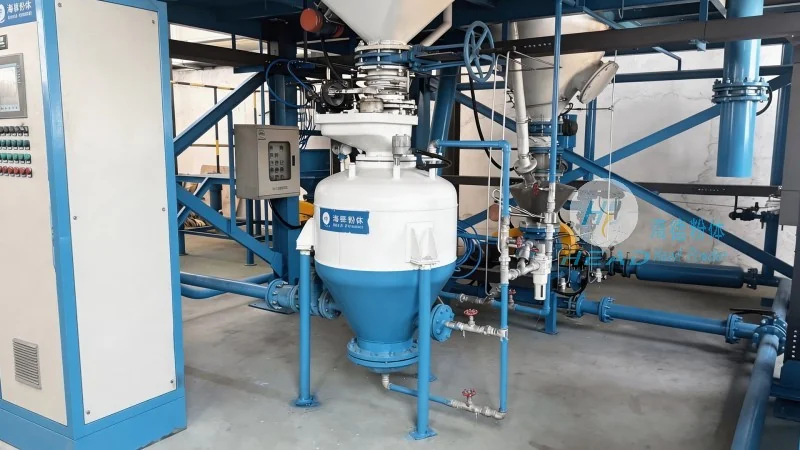
Calcium phosphate material handling systems are characterized by several key features that make them suitable for industrial applications. These features are designed to address the specific challenges associated with handling calcium phosphate materials, including their tendency to agglomerate, high bulk density, and varying particle sizes.
- Material Compatibility: The systems are constructed using materials that are compatible with calcium phosphate, such as stainless steel or special alloys, to prevent corrosion and contamination. This ensures that the material remains pure and meets regulatory standards for food and pharmaceutical applications.
- Efficient Conveying: Advanced conveyor designs, such as high-capacity belt conveyors or flexible screw conveyors, are used to handle the bulk density and flow characteristics of calcium phosphate. These conveyors are capable of transporting large volumes of material with minimal energy consumption and low maintenance requirements.
- Precise Dosing and Control: The systems incorporate high-precision dosing mechanisms that allow for accurate measurement and control of the material flow. This is essential for maintaining consistent product quality, especially in applications where the exact composition of calcium phosphate is critical, such as in pharmaceutical formulations or food additives.
- Space Efficiency: Many calcium phosphate material handling systems are designed to be compact and space-efficient, making them suitable for installations with limited floor space. This is achieved through the use of vertical conveyors and integrated storage solutions that optimize the use of available space.
- Safety and Reliability: The systems are equipped with safety features, such as overload protection and emergency stop mechanisms, to ensure safe operation. Additionally, the use of durable materials and robust construction ensures long-term reliability and minimal downtime.
These features collectively contribute to the effectiveness of calcium phosphate material handling systems, enabling industries to achieve high productivity while maintaining product quality and operational safety.
Applications and Benefits in Industrial Processing
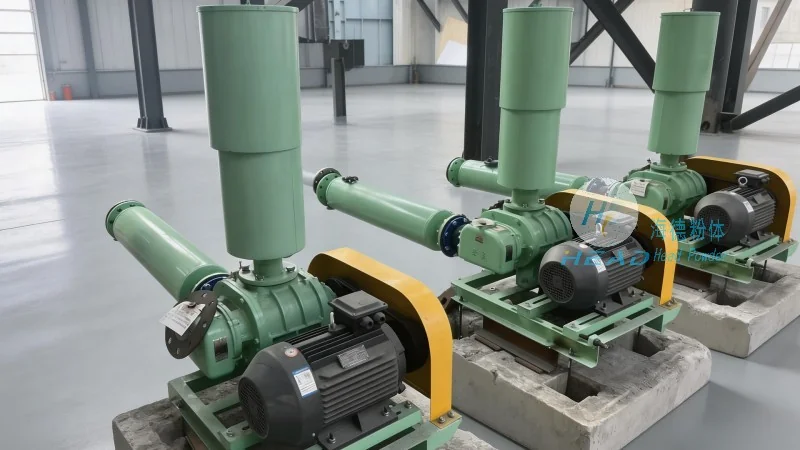
Calcium phosphate material handling systems are widely used in various industrial applications, including the production of calcium phosphate-based products for food, pharmaceuticals, and animal feed. The benefits of these systems extend beyond efficient material transport and include improved product consistency, reduced waste, and enhanced operational safety.
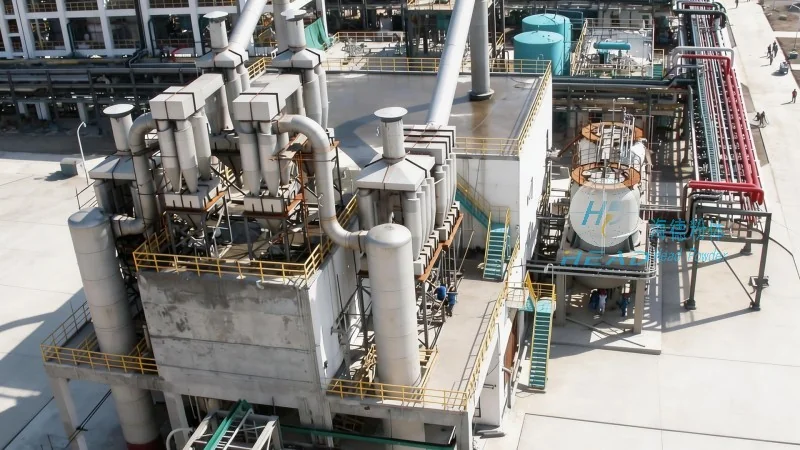
In the food industry, calcium phosphate is used as a food additive and fortifier. The material handling systems ensure that the calcium phosphate is delivered to food processing lines in a controlled manner, maintaining the product's quality and nutritional value. In the pharmaceutical industry, calcium phosphate is used in drug formulations and as a filler in tablets. The precise dosing and control features of the material handling systems are crucial for achieving the exact composition required for these applications.
For animal feed manufacturers, calcium phosphate is a key ingredient for providing essential minerals to livestock. The efficient and reliable material handling systems ensure that the calcium phosphate is mixed uniformly with other feed components, resulting in high-quality animal feed. Overall, the use of calcium phosphate material handling systems contributes to the overall efficiency and competitiveness of industrial processes by optimizing material flow and reducing operational costs.