

Working Principle and Features of the Precipitated Barium Sulfate Material Handling System
The precipitated barium sulfate material handling system is a specialized equipment designed for the efficient transport and handling of precipitated barium sulfate, a key industrial chemical widely used in various applications such as paint, plastics, and pharmaceuticals. This system is engineered to ensure safe, reliable, and efficient material transfer, addressing the unique challenges associated with handling this specific chemical. The system integrates advanced technology and robust design to meet the demands of modern industrial processes, providing a solution that enhances productivity and operational safety.
Working Principle of the Material Handling System
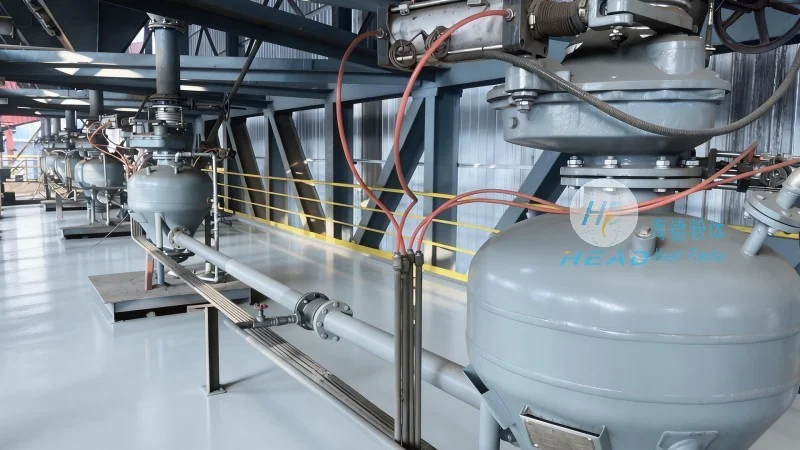
The core working principle of the precipitated barium sulfate material handling system involves several key components and processes. The system typically starts with the storage of the material in a hopper or silo, where the barium sulfate is held under controlled conditions to prevent caking or agglomeration. A conveyor system, often equipped with specialized belts or screw conveyors, then transports the material from the storage area to the processing or packaging stages. The conveyor may include features such as vibration or agitation to maintain material flow, ensuring consistent and uninterrupted operation. Additionally, the system may incorporate dust control mechanisms, such as dust collection hoods or filters, to manage airborne particles and maintain a clean working environment. The entire process is controlled by a programmable logic controller (PLC) or similar automation system, which monitors parameters like flow rate, pressure, and temperature to optimize performance and prevent equipment damage. This integrated approach ensures that the material is handled safely and efficiently from storage to final use.
Key Features and Advantages of the System
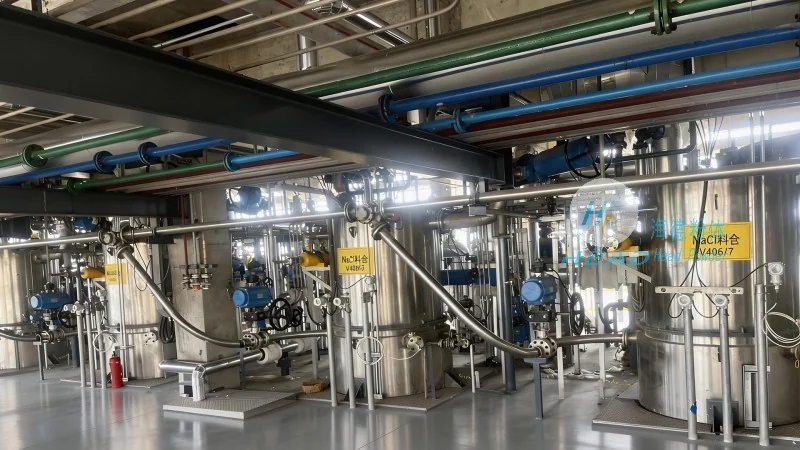
The precipitated barium sulfate material handling system offers several notable features and advantages that make it an ideal choice for industrial applications. One of the primary features is its robust construction, designed to withstand the abrasive nature of barium sulfate and the harsh operating conditions often encountered in industrial settings. The system is built with high-quality materials, such as stainless steel or corrosion-resistant alloys, to ensure durability and long-term performance. Another key feature is the system's flexibility, which allows for customization to meet specific customer requirements. This includes options for different conveyor types, storage capacities, and control systems, enabling the system to be tailored to the unique needs of each application. The system also incorporates advanced safety features, such as emergency stop buttons, overload protection, and interlocked access panels, to minimize the risk of accidents and ensure compliance with safety regulations. Furthermore, the system's energy efficiency is a significant advantage, with features like variable speed drives and optimized conveyor designs reducing energy consumption while maintaining performance. These features collectively contribute to a system that is not only effective but also cost-efficient and environmentally friendly.
Application and Industry Relevance
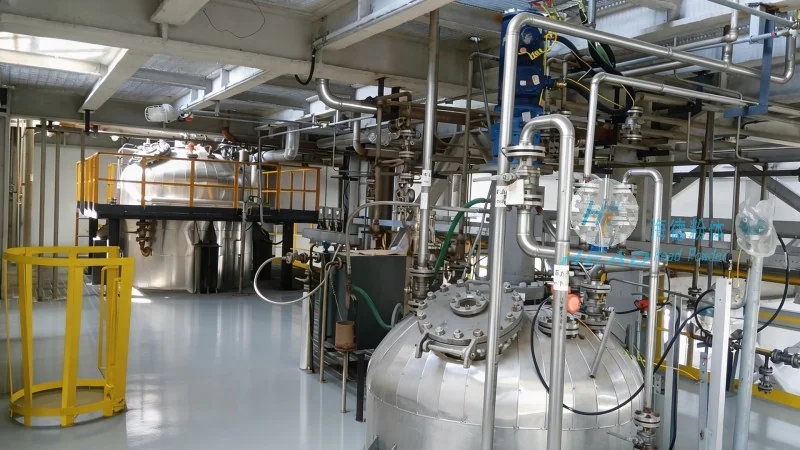
The precipitated barium sulfate material handling system is widely used in various industries due to its ability to handle this specific chemical efficiently and safely. In the paint and coatings industry, for example, the system is crucial for transporting barium sulfate, which is used as a pigment or filler to improve the properties of paints. The system ensures that the material is delivered to the production line in a consistent and controlled manner, enhancing the quality and consistency of the final product. Similarly, in the plastics industry, barium sulfate is used as a filler to improve the mechanical strength and opacity of plastic products. The material handling system ensures that the barium sulfate is added to the plastic mixture in the correct proportions, maintaining the quality and performance of the final plastic products. In the pharmaceutical industry, the system is used to handle barium sulfate in the production of medical imaging agents, where the material must be handled with extreme care to ensure purity and safety. The system's ability to maintain a clean and controlled environment is critical in this application, as any contamination could affect the effectiveness of the medical products. Overall, the precipitated barium sulfate material handling system plays a vital role in supporting the production processes of these industries, ensuring that the material is handled in a way that meets the highest standards of quality and safety.
Conclusion and Company Overview
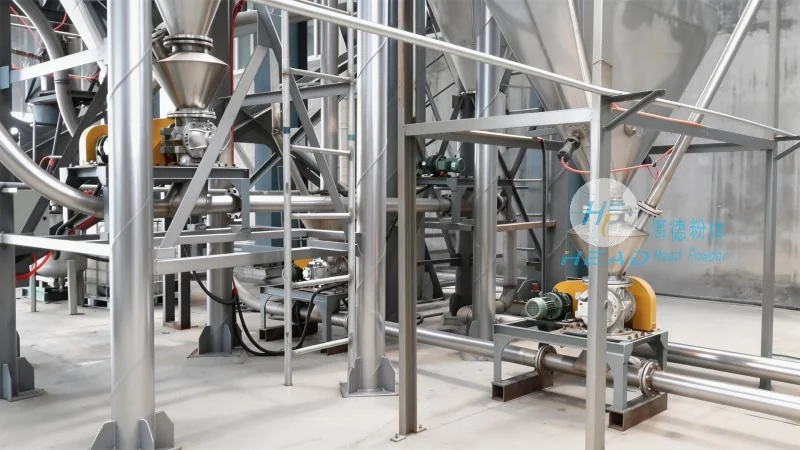
In conclusion, the precipitated barium sulfate material handling system is a sophisticated and reliable solution for the efficient transport and handling of this important industrial chemical. The system's design, based on advanced engineering principles, ensures that it meets the demanding requirements of modern industrial applications. By integrating robust construction, advanced automation, and safety features, the system provides a high level of performance and reliability. The company, Shandong HeadPowder Engineering Co., Ltd., specializes in the design and manufacturing of such material handling systems, with a focus on providing customized solutions that meet the unique needs of each customer. With its headquarters in Shandong, China, the company leverages its expertise and experience to deliver high-quality products that enhance the productivity and safety of industrial operations. The precipitated barium sulfate material handling system represents a key offering from HeadPowder, demonstrating the company's commitment to innovation and excellence in the field of industrial material handling.