

Working Principle and Features of Magnesium Oxide Powder Material Pneumatic Conveying Equipment
For industrial applications involving the handling of magnesium oxide powder, efficient and reliable material transport is crucial. Pneumatic conveying systems offer a solution that combines functionality with adaptability, making them ideal for processing environments where traditional methods may fall short. This article explores the working principle and key features of pneumatic conveying equipment designed specifically for magnesium oxide powder, highlighting how these systems enhance operational efficiency and product integrity.
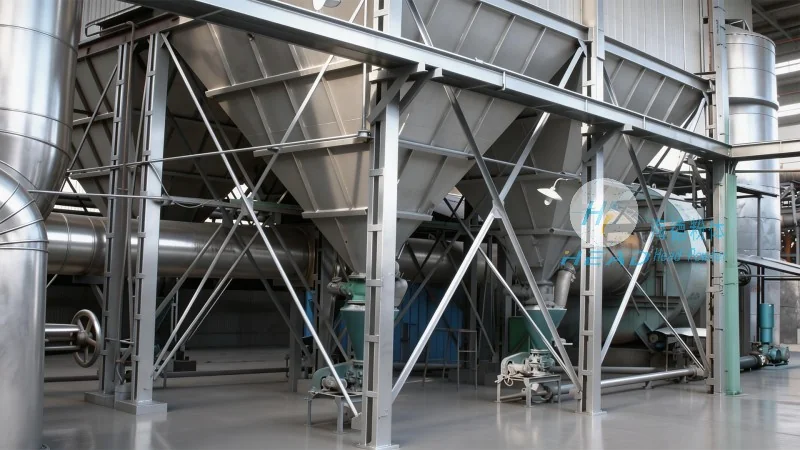
Company Introduction: Shandong HeadPowder Engineering Co., Ltd.
HeadPowder, a leading manufacturer in the field of material handling solutions, specializes in developing advanced pneumatic conveying systems tailored to the unique needs of industrial processes. With a focus on innovation and quality, the company has established itself as a trusted partner for businesses requiring robust and efficient material transport solutions. HeadPowder's expertise lies in designing equipment that ensures safe, clean, and cost-effective handling of various powder materials, including magnesium oxide. The company's commitment to customer satisfaction and technological advancement is reflected in its comprehensive product line and dedicated service approach.
Understanding Pneumatic Conveying Systems
Pneumatic conveying, also known as air conveying, is a method of transporting bulk materials through a pipeline using pressurized or suction air. In the context of magnesium oxide powder, this technology enables the efficient movement of the material from a source to a destination without the need for mechanical components like belts or buckets. The system operates by creating a flow of air within the pipeline, which carries the powder particles along with it. This process is governed by principles of fluid dynamics and particle physics, ensuring that the material is transported smoothly and without degradation.
Working Principle of Magnesium Oxide Powder Pneumatic Conveying Equipment
The working principle of a pneumatic conveying system for magnesium oxide powder involves several key components and processes. At its core, the system uses compressed air to create a pressure differential that propels the powder through the pipeline. The process typically begins with the material being fed into a hopper or feeder, where it is then introduced into the conveying line. As the air flows through the pipeline, it entrains the powder particles, forming a suspension that moves from the inlet to the outlet. The velocity and pressure of the air are carefully controlled to ensure that the powder is transported without clogging or degradation. The system may include features such as cyclones, filters, and silos to manage the material flow and maintain system efficiency. The entire operation is designed to be continuous and automated, minimizing human intervention and maximizing productivity.
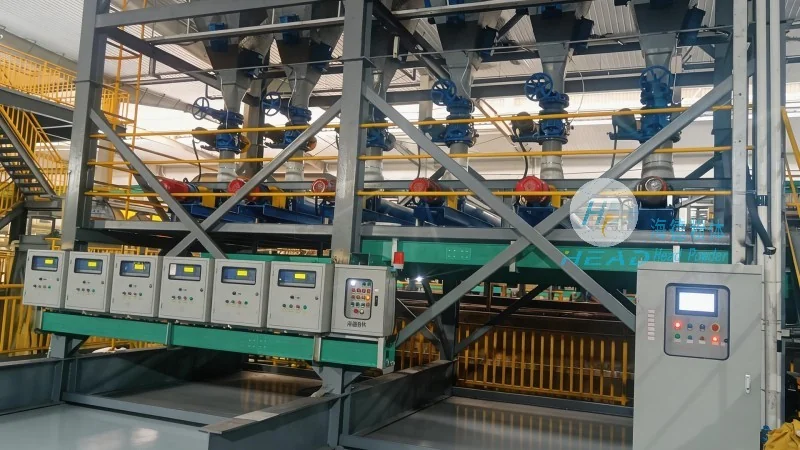
Key Features of Magnesium Oxide Powder Pneumatic Conveying Equipment
Equipment designed for magnesium oxide powder pneumatic conveying offers several distinct features that enhance its performance and suitability for industrial applications. One of the primary features is the ability to handle fine, abrasive powders without causing wear or damage to the system components. This is achieved through the use of specialized materials for the pipeline and components, such as stainless steel or high-grade plastics, which resist corrosion and abrasion. Another key feature is the system's flexibility in terms of layout and configuration. Pneumatic conveying systems can be customized to fit the specific spatial constraints of a facility, with options for both horizontal and vertical transport. This adaptability allows for seamless integration into existing production lines or new installations.
A third important feature is the system's ability to maintain product integrity and prevent contamination. Magnesium oxide is often used in applications where purity is critical, such as in pharmaceuticals or food processing. Pneumatic conveying systems are designed to minimize exposure to external contaminants and to prevent cross-contamination between different batches of material. This is achieved through sealed systems, filtration, and the use of clean air sources. Additionally, the system's low maintenance requirements contribute to its overall efficiency, as it requires fewer moving parts and less frequent servicing compared to traditional mechanical conveyors.
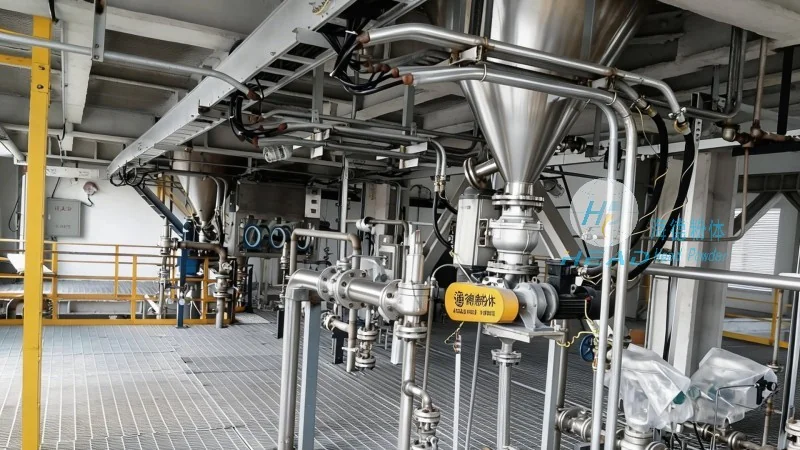
Benefits of Using Pneumatic Conveying for Magnesium Oxide Powder
The adoption of pneumatic conveying equipment for magnesium oxide powder offers numerous benefits that directly impact operational efficiency and cost-effectiveness. One of the most significant advantages is the reduction in labor costs and manual handling. By automating the material transport process, businesses can minimize the need for manual loading and unloading, which not only saves time but also reduces the risk of workplace injuries. Another benefit is the improvement in product quality and consistency. Pneumatic conveying systems ensure that the powder is transported uniformly, without segregation or agglomeration, which can affect the final product's properties. This consistency is particularly important in applications where the powder's characteristics, such as particle size distribution or moisture content, are critical.
Furthermore, pneumatic conveying systems contribute to energy efficiency and reduced operational costs. By using compressed air as the primary transport medium, the system eliminates the need for heavy machinery and reduces energy consumption compared to other methods. The compact design of the equipment also allows for space savings in industrial facilities, making it an ideal solution for facilities with limited floor space. Additionally, the system's ability to handle large volumes of material in a continuous manner increases overall production throughput, leading to higher output and improved profitability.
Conclusion
In conclusion, pneumatic conveying equipment for magnesium oxide powder represents a sophisticated and efficient solution for material handling in industrial settings. The working principle, which relies on the use of compressed air to transport the powder through a pipeline, ensures smooth and continuous operation. Key features such as material compatibility, system flexibility, and product integrity preservation make these systems highly suitable for handling magnesium oxide powder. The benefits of using such equipment, including reduced labor costs, improved product quality, energy efficiency, and space savings, make it a valuable investment for businesses in various industries. As a leading manufacturer in this field, Shandong HeadPowder Engineering Co., Ltd. continues to innovate and provide high-quality pneumatic conveying solutions that meet the evolving needs of industrial processes.