

Principle and Working Scene Characteristics of Pneumatic Conveying Equipment for Resin Powder Materi
HeadPowder, a leading manufacturer based in Shandong, China, specializes in the design and production of pneumatic conveying equipment tailored for resin powder materials. This equipment is essential for industries dealing with fine powders, offering an efficient and reliable method for material transport. The following sections will explore the fundamental principles behind such systems and the typical working scenarios where they are applied.
Principle of Pneumatic Conveying for Resin Powders
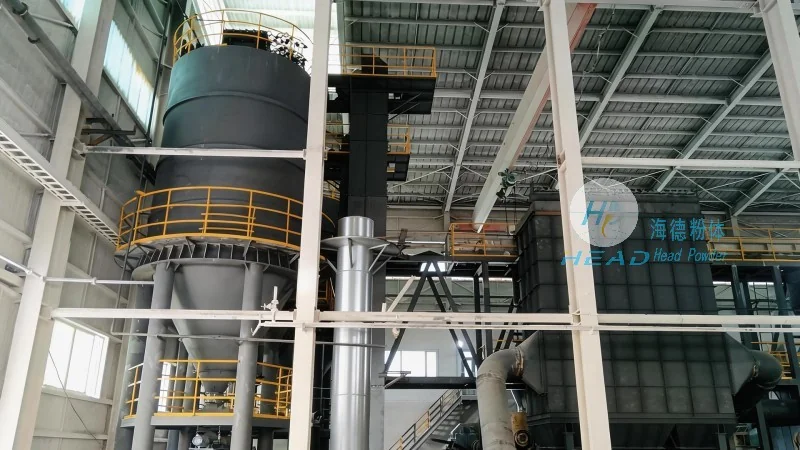
The core principle of pneumatic conveying involves using compressed air or gas to transport solid particles through a pipeline. For resin powders, which are often fine and can be prone to dusting or agglomeration, this method provides several advantages over traditional mechanical conveying. The system typically consists of a hopper, a feeder, a conveying line, and a receiver. The hopper holds the resin powder, and the feeder controls the flow rate. Compressed air is introduced into the conveying line, creating a flow that lifts and transports the powder particles. The velocity and pressure of the air are critical parameters that determine the efficiency and capacity of the system. Proper design ensures that the air velocity is sufficient to keep the particles suspended, preventing blockages and ensuring consistent flow.
Key Components and Their Functions
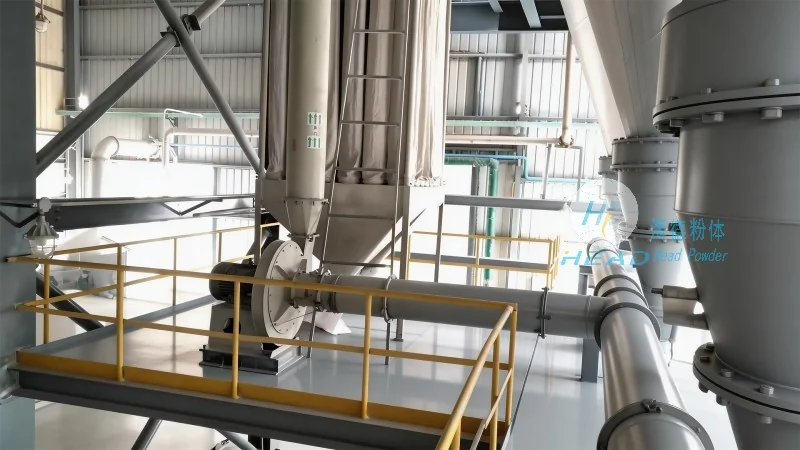
Several key components work together to ensure the smooth operation of a resin powder pneumatic conveying system. The hopper is designed to store the resin powder and maintain a consistent feed. It often includes a discharge valve to control the material release. The feeder, which can be a rotary valve or a screw feeder, regulates the flow rate of the powder into the conveying line. This is crucial for maintaining a stable pressure and flow within the system. The conveying line itself is usually made of stainless steel or other corrosion-resistant materials to handle the resin powder, which may be abrasive or have chemical properties that could degrade other materials. The receiver is the final component, where the conveyed powder is deposited. It may include a dust collection system to prevent particle loss and ensure environmental compliance.
Working Scene Characteristics
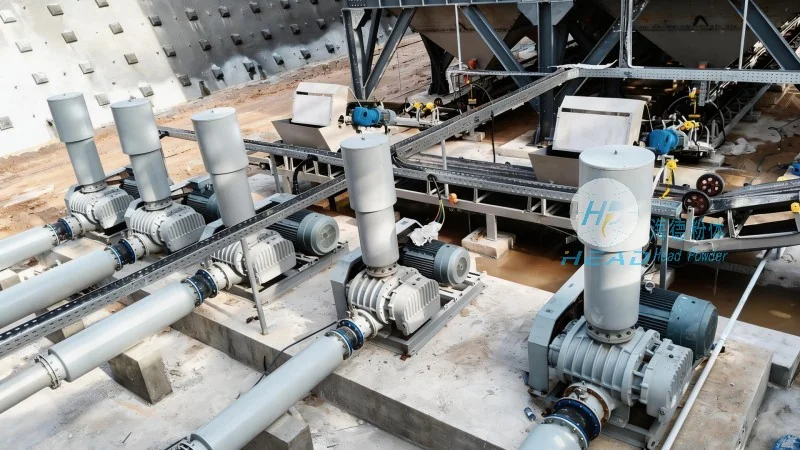
The application of pneumatic conveying equipment for resin powders varies across different industries. In the plastics manufacturing sector, these systems are commonly used to transport resin powders from storage silos to processing machines, such as extruders or injection molding equipment. The ability to transport materials without direct contact with the environment reduces contamination risks, which is critical for maintaining product quality. In the chemical industry, similar systems are used to move resin powders between production stages, ensuring a continuous and controlled process flow. Another common scenario is in the pharmaceutical or food processing industries, where the hygienic design of the equipment is paramount. The sealed system prevents contamination and ensures that the resin powder remains free from external particles, meeting stringent quality standards.
Advantages and Considerations
Implementing pneumatic conveying for resin powders offers several benefits. One of the primary advantages is the ability to transport materials over long distances without the need for multiple transfer points, which reduces the risk of material degradation and contamination. The system is also relatively compact compared to traditional mechanical systems, saving space in industrial facilities. Additionally, it can handle a wide range of particle sizes and densities, making it versatile for different resin powder types. However, there are considerations to keep in mind. The energy consumption of the system is higher than mechanical conveying, as it requires compressed air. Proper maintenance is also essential to prevent air leaks and ensure consistent performance. The system's design must also account for the specific properties of the resin powder, such as its dustiness or tendency to agglomerate, to avoid blockages and ensure reliable operation.
Conclusion
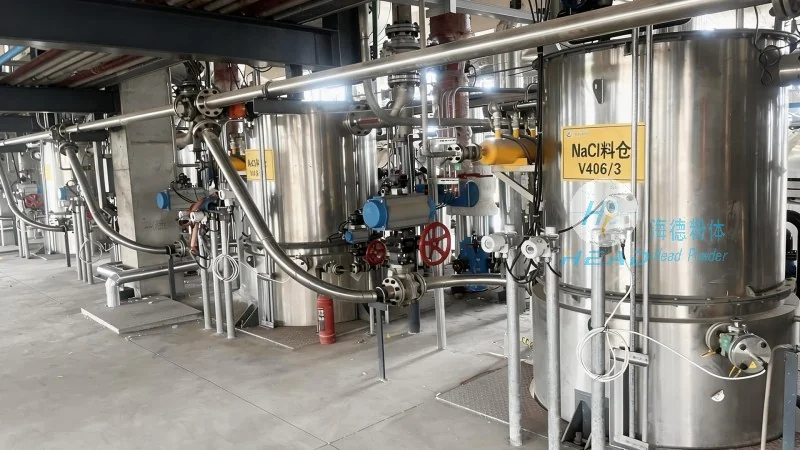
For industries dealing with resin powder materials, pneumatic conveying equipment from HeadPowder provides an efficient and reliable solution for material transport. By understanding the principles and working characteristics of these systems, companies can optimize their operations, reduce costs, and maintain product quality. The equipment's design, tailored to the specific needs of resin powders, ensures that it meets the demands of various industrial applications, from manufacturing to processing. As a leading provider based in Shandong, China, HeadPowder continues to innovate and improve its pneumatic conveying solutions to meet the evolving needs of the industry.