

Principle and Working Scene Characteristics of Positive Pressure Dilute Phase Material Pneumatic Con
Shandong HeadPowder Engineering Co., Ltd., commonly known as HeadPowder, is a professional manufacturer and supplier specializing in pneumatic conveying systems. HeadPowder is headquartered in Shandong, China, and has established itself as a leading provider of advanced material handling solutions for various industries. The company focuses on delivering high-quality, efficient, and reliable pneumatic conveying equipment tailored to meet the diverse needs of clients worldwide.
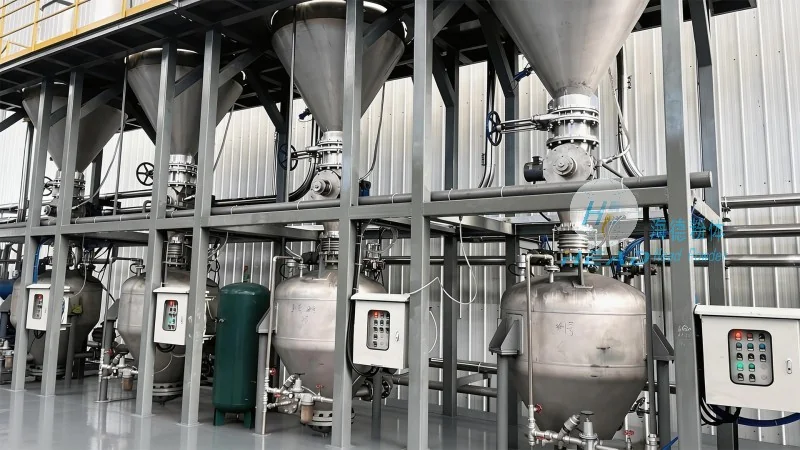
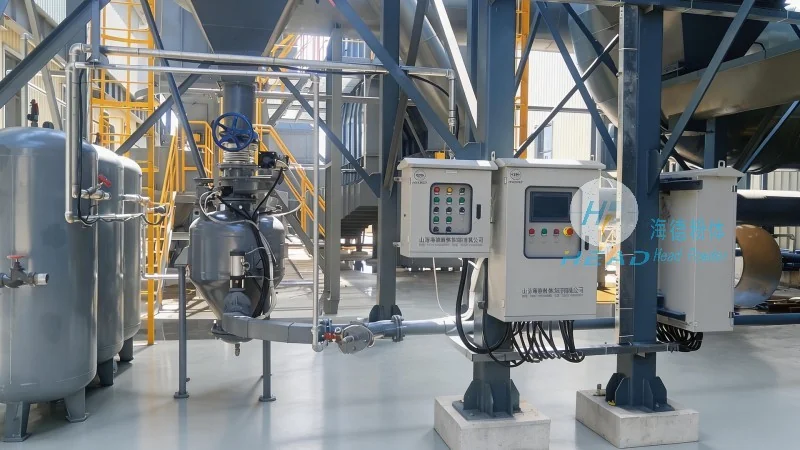
Introduction to Positive Pressure Dilute Phase Pneumatic Conveying Lines
Positive pressure dilute phase pneumatic conveying lines represent a sophisticated method of transporting bulk materials through a pipeline using compressed air as the primary driving force. Unlike negative pressure systems, which rely on vacuum to draw materials into the line, positive pressure systems generate an overpressure within the pipeline, pushing the material forward. This approach is particularly effective for conveying a wide range of dry, free-flowing powders and granules, such as cement, flour, plastic pellets, and chemical powders. The principle behind this technology involves the creation of a uniform, low-density flow of material suspended in air, ensuring minimal wear on the pipeline and equipment, while maintaining high conveying efficiency.
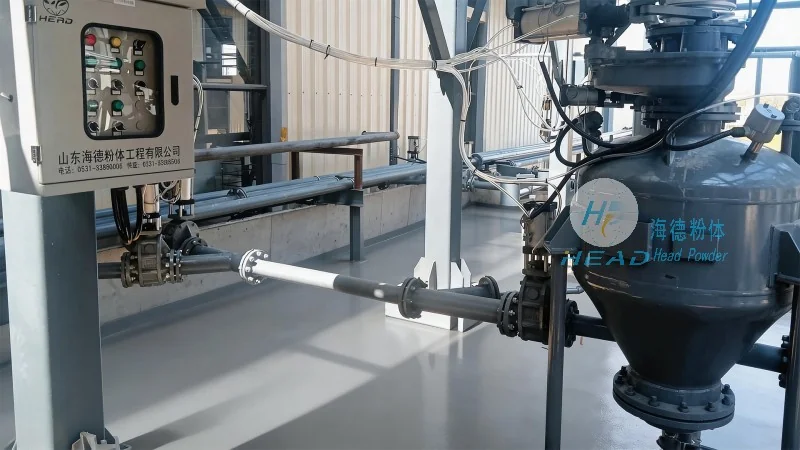
Working Scene Characteristics and Application Scenarios
The working scene characteristics of positive pressure dilute phase pneumatic conveying lines are defined by their adaptability to diverse operational environments and material types. These systems are commonly employed in industrial settings where the need to transport materials over long distances or between multiple points is critical. For instance, in cement production facilities, positive pressure dilute phase systems are used to convey raw materials from storage silos to processing units, ensuring a continuous and efficient supply chain. Similarly, in food processing plants, such as flour mills or sugar refineries, these systems facilitate the safe and hygienic transfer of bulk ingredients, maintaining product integrity and reducing contamination risks. The design of these conveying lines allows for flexible integration into existing production lines, with options for vertical, horizontal, or combined (vertical and horizontal) configurations to suit specific site layouts and material handling requirements.
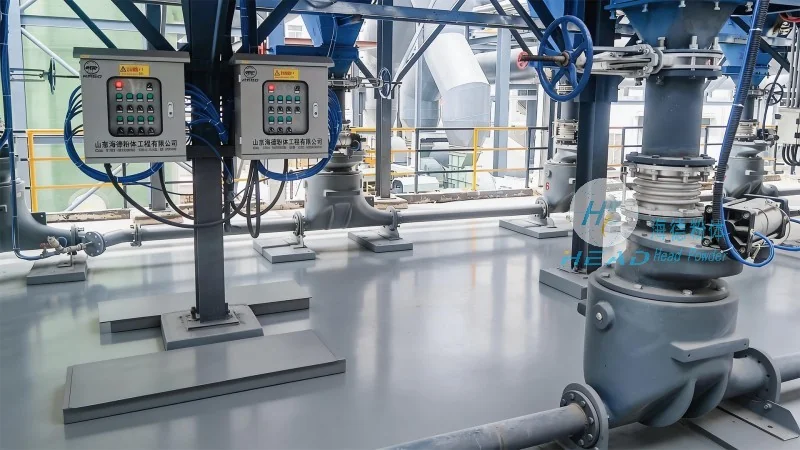
Advantages and Practical Implementation
One of the key advantages of positive pressure dilute phase pneumatic conveying lines is their ability to handle a broad spectrum of materials with varying particle sizes and flow properties. The system's design minimizes material degradation and caking, which is crucial for sensitive products like pharmaceutical powders or food ingredients. Additionally, the use of positive pressure ensures that the conveying line operates under a sealed environment, preventing dust emissions and maintaining compliance with environmental regulations. In terms of maintenance, these systems typically feature robust components, such as high-quality air compressors and wear-resistant pipeline materials, which contribute to long operational lifespans and reduced downtime. HeadPowder's expertise in customizing these systems to meet specific client requirements ensures that each installation is optimized for performance, energy efficiency, and cost-effectiveness.