

Operation Process and Working Principle of Limestone Powder Pneumatic Conveying Equipment
Shandong HeadPowder Engineering Co., Ltd. specializes in the design, manufacturing, and supply of advanced pneumatic conveying systems tailored for limestone powder handling. This article provides a detailed overview of the operation process and working principles of such equipment, highlighting key components, operational steps, and the benefits of using pneumatic conveying technology for limestone powder transport.
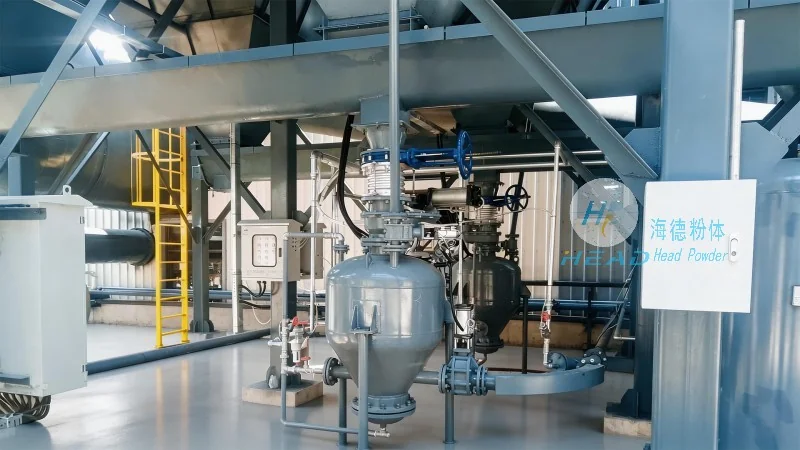
Key Components of Pneumatic Conveying Systems
The core components of a limestone powder pneumatic conveying system include the material hopper, rotary airlock valve, air compressor, pipeline network, and dust collection system. The material hopper stores the limestone powder, ensuring a consistent feed. The rotary airlock valve regulates the flow of powder from the hopper into the pipeline, preventing backflow and maintaining system pressure. The air compressor generates the necessary air pressure to move the powder through the pipeline. The pipeline network transports the powder from the source to the destination, while the dust collection system captures and filters any airborne particles, ensuring compliance with environmental regulations and maintaining air quality.
Operation Process of Limestone Powder Pneumatic Conveying
The operation process of a limestone powder pneumatic conveying system involves several sequential steps. First, the limestone powder is loaded into the material hopper. The rotary airlock valve then opens to allow the powder to enter the pipeline as the air compressor starts and generates air pressure. The compressed air pushes the limestone powder through the pipeline, creating a slurry-like mixture of powder and air. The mixture travels through the pipeline network to the destination point, such as a storage silo or processing plant. At the receiving end, a rotary airlock valve or a dust collector may be used to separate the powder from the air. The separated powder is then discharged into the receiving container, while the air is filtered and released back into the environment.
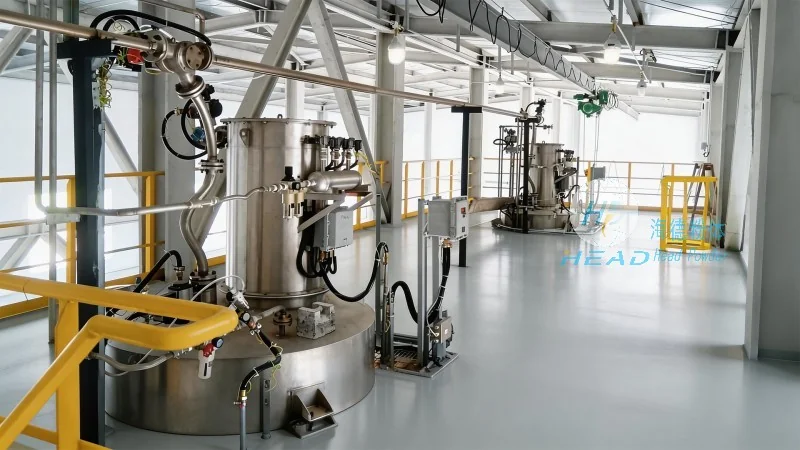
Working Principle of Pneumatic Conveying
The working principle of pneumatic conveying for limestone powder relies on the principle of fluidization and air movement. When the air compressor supplies compressed air into the pipeline, it creates a pressure differential that propels the limestone powder particles. The powder particles are suspended in the air stream, forming a dense phase or dilute phase flow, depending on the system design and operating conditions. The dense phase conveying is typically used for longer distances or when higher pressure is required, while the dilute phase conveying is suitable for shorter distances and lower pressure applications. The efficiency of the system depends on the proper selection of air velocity, pipeline diameter, and material properties, ensuring that the limestone powder is transported smoothly without clogging or degradation.
Advantages of Pneumatic Conveying for Limestone Powder
Using pneumatic conveying equipment for limestone powder offers several advantages over traditional methods like belt conveyors or bucket elevators. Firstly, it provides a closed system, which minimizes dust emissions and protects the environment. This is crucial for limestone powder, which can be a source of airborne particles that may affect air quality and worker health. Secondly, pneumatic conveying systems are flexible and can be easily integrated into existing production lines or expanded to accommodate increased production capacity. The equipment can transport limestone powder over long distances with minimal maintenance and downtime. Additionally, the system can handle varying particle sizes and moisture content, making it suitable for different applications in the cement, construction, and chemical industries. The closed nature of the system also reduces the risk of contamination from external sources, ensuring the quality of the limestone powder remains consistent.
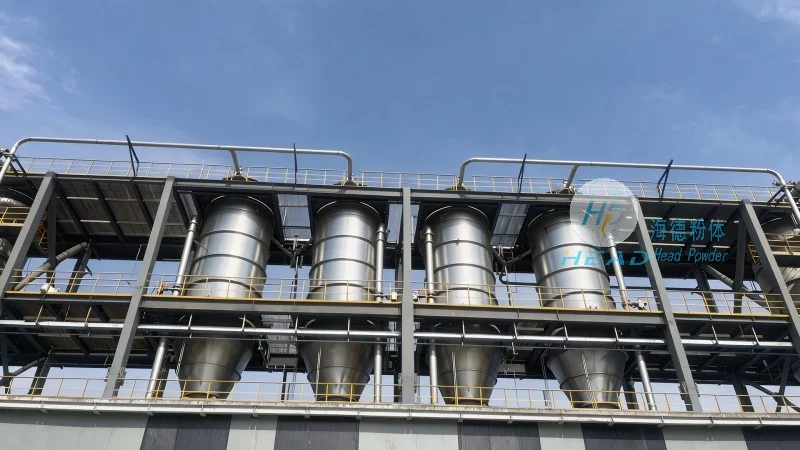
Applications in the Cement and Construction Industries
Limestone powder pneumatic conveying equipment is widely used in the cement industry for transporting raw materials such as limestone, clay, and iron ore. The equipment is essential for cement plants that require large volumes of limestone powder to be transported from quarries to the production facilities. In the construction industry, the equipment is used to transport limestone powder to concrete mixing plants, precast concrete manufacturers, and other construction sites. The ability to transport limestone powder efficiently and safely makes it a critical component in the supply chain for these industries. The equipment's reliability and efficiency help to reduce production costs and improve overall operational performance.
Maintenance and Operational Considerations
Proper maintenance of the pneumatic conveying system is essential to ensure its long-term performance and reliability. Regular checks of the air compressor, rotary airlock valves, and pipeline network are necessary to identify and address any potential issues before they become major problems. The dust collection system should be cleaned regularly to prevent clogging and ensure efficient filtration. The material hopper should be inspected for any signs of wear or damage, and the powder feed should be monitored to ensure consistent flow. Operational considerations include maintaining the correct air pressure and velocity, as well as monitoring the temperature and humidity of the system. Proper training of operators is also important to ensure that the equipment is used correctly and safely. By following these maintenance and operational guidelines, the limestone powder pneumatic conveying system can operate efficiently and effectively for many years.