

Operation Process and Working Principle of Dust-Free Closed-Circuit Pneumatic Conveying Equipment
HeadPowder, a leading manufacturer based in Shandong, China, specializes in the design and production of advanced dust-free closed-circuit pneumatic conveying equipment. This article provides a detailed overview of the operation process and working principles of such systems, highlighting their efficiency and reliability in industrial material handling.
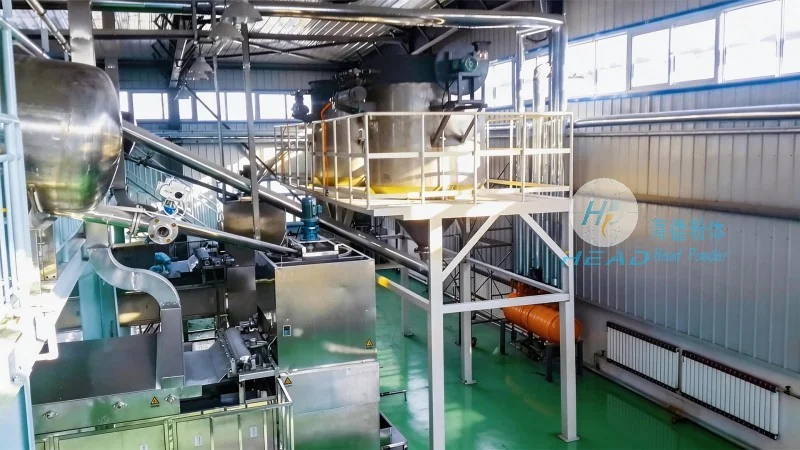
Introduction to Dust-Free Closed-Circuit Pneumatic Conveying Systems
Dust-free closed-circuit pneumatic conveying systems are essential in modern industrial applications where the safe and efficient transport of bulk materials is required. These systems operate by using compressed air or other gases to move powders, granules, and other particulate materials through a sealed pipeline network. The closed-circuit design ensures that no dust or particles are released into the environment, making them ideal for applications in pharmaceuticals, food processing, and other industries where contamination control is critical.
The Operation Process of Dust-Free Pneumatic Conveying Equipment
The operation process of a dust-free closed-circuit pneumatic conveying system involves several key steps. First, the material to be conveyed is loaded into the hopper or feeding hopper. From there, the material is fed into the conveying line under the control of a feeder, such as a rotary valve or a screw feeder. Simultaneously, compressed air is introduced into the system, creating a pressure differential that propels the material through the pipeline. The material travels through the conveying line, which may include bends, filters, and other components to ensure smooth and efficient transport. At the discharge end, the material is collected in a receiving hopper or storage tank. The system then returns the air to the inlet, completing the closed-circuit loop. This continuous cycle ensures that the material is transported without any exposure to the external environment, maintaining a dust-free operation.
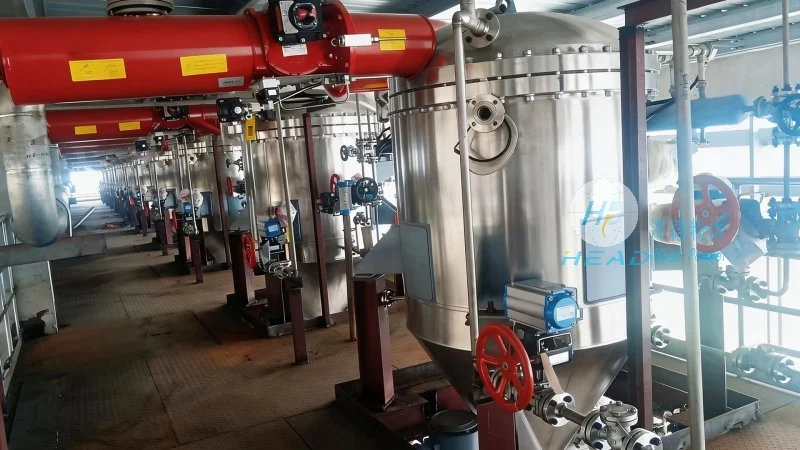
Working Principle of the Closed-Circuit Pneumatic Conveying System
The working principle of a dust-free closed-circuit pneumatic conveying system is based on the principles of fluid dynamics and air pressure. The system utilizes compressed air to create a flow of air and material particles within the sealed pipeline. In a positive pressure system, the air is introduced at the inlet, creating a higher pressure than the ambient environment, which forces the material to move through the line. In a negative pressure system, the air is drawn out of the system, creating a lower pressure that pulls the material into the line. The closed-circuit design ensures that the air is recirculated, reducing energy consumption and maintaining a consistent pressure throughout the system. The system also includes filters and cyclones to separate the material from the air, ensuring that the air is clean and can be reused. This closed-loop operation minimizes waste and maximizes efficiency, making it a preferred choice for industries that require high-purity material handling.
Key Components and Their Functions in the System
Several key components are integral to the proper functioning of a dust-free closed-circuit pneumatic conveying system. The hopper or feeding hopper is used to store and feed the material into the system. The feeder, such as a rotary valve or screw feeder, controls the flow rate of the material, ensuring a consistent and controlled feed. The conveying line, typically made of stainless steel or other corrosion-resistant materials, provides the path for the material and air. The filters and cyclones are used to separate the material from the air, preventing dust from being released into the environment. The control system, which may include sensors and controllers, monitors the pressure, flow rate, and other parameters to ensure the system operates efficiently and safely. Each component plays a crucial role in maintaining the dust-free operation and ensuring the smooth transport of the material.
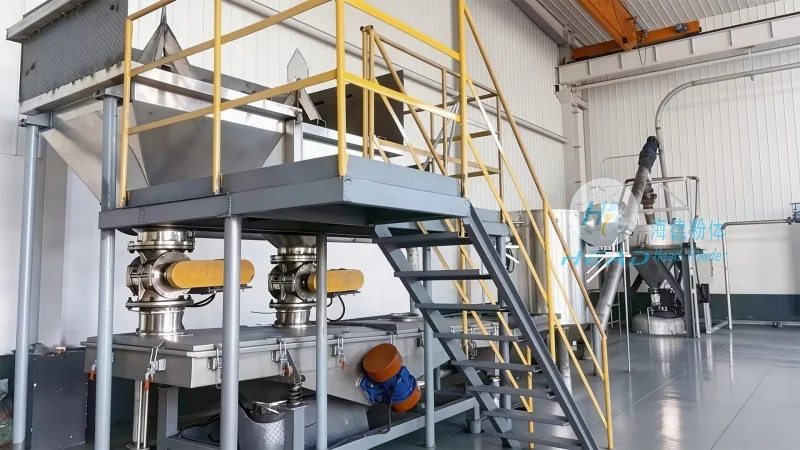
Advantages of Using Dust-Free Closed-Circuit Pneumatic Conveying Equipment
There are several advantages to using dust-free closed-circuit pneumatic conveying equipment in industrial applications. First, the closed-circuit design ensures that no dust or particles are released into the environment, which is crucial for industries where contamination control is essential. Second, the system is highly efficient, with low energy consumption and minimal waste. Third, the equipment is easy to maintain and clean, as the sealed design prevents the buildup of dust and debris. Fourth, the system can handle a wide range of materials, from powders to granules, and can be customized to meet the specific needs of different industries. These advantages make dust-free closed-circuit pneumatic conveying equipment a preferred choice for many industrial applications.
Conclusion
In conclusion, dust-free closed-circuit pneumatic conveying equipment is a highly efficient and reliable solution for the transport of bulk materials in industrial applications. The operation process involves loading the material, feeding it into the system, and using compressed air to move it through a sealed pipeline. The working principle is based on fluid dynamics and air pressure, with the closed-circuit design ensuring that the air is recirculated and the material is transported without any exposure to the external environment. HeadPowder, with its headquarters in Shandong, China, is a leading manufacturer of such equipment, providing high-quality and durable systems that meet the needs of various industries. The advantages of using these systems, including their dust-free operation and efficiency, make them an ideal choice for industries that require high-purity material handling.