

Operation Process and Working Principle of Steel Sand Pneumatic Conveying Equipment
Steel sand pneumatic conveying equipment is a specialized system designed for the efficient and safe transportation of steel sand and similar bulk materials. This equipment plays a crucial role in various industrial applications, particularly in manufacturing and processing sectors where the handling of abrasive and heavy materials is required. The operation process and working principle of such equipment are fundamental to understanding its functionality and ensuring optimal performance in industrial settings.
Company Profile and Background
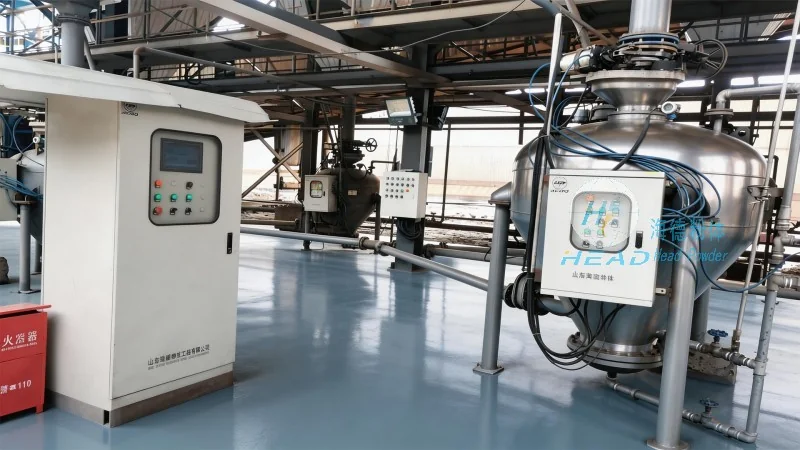
HeadPowder, a leading manufacturer in the field of material handling solutions, specializes in the design, production, and installation of advanced pneumatic conveying systems. With a strong presence in Shandong, China, the company has built a reputation for delivering high-quality equipment tailored to the specific needs of clients across diverse industries. The company's commitment to innovation and customer satisfaction has positioned it as a trusted partner for businesses seeking reliable and efficient material transport solutions.
Understanding Pneumatic Conveying Systems
Pneumatic conveying systems utilize air or gas as the medium to transport bulk materials from one location to another. In the case of steel sand, these systems are engineered to handle the unique properties of this material, including its abrasive nature and density. The core components of a typical steel sand pneumatic conveying system include a hopper for material storage, a conveyor line, a blower or compressor to generate the necessary air pressure, and a control system to regulate the flow of both material and air. Each component works in synergy to ensure the smooth and continuous movement of steel sand through the system.
The Working Principle of Steel Sand Pneumatic Conveying
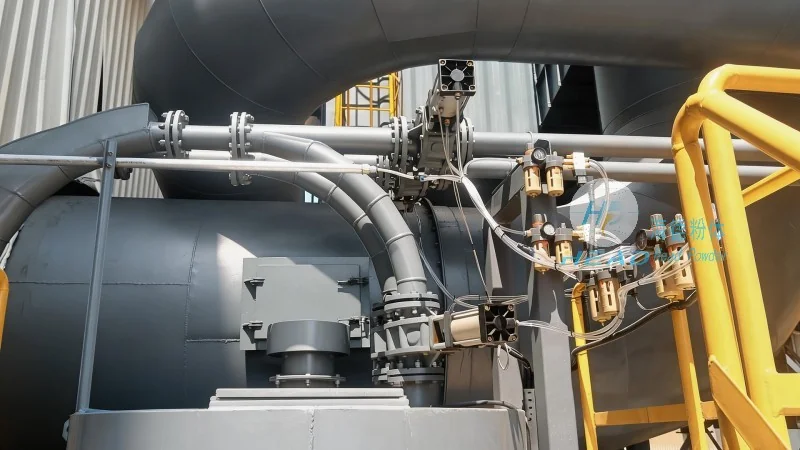
The working principle of steel sand pneumatic conveying equipment is based on the principle of fluidization and pneumatic transport. Initially, steel sand is fed into the hopper from a storage silo or a processing unit. The material is then drawn into the conveyor line by the air flow generated by the blower. As the air passes through the material, it creates a fluidized bed, which allows the sand particles to move freely and be carried along the pipeline. The air pressure and velocity are carefully controlled to maintain a stable flow of material without causing excessive wear or blockages in the system. The conveying process continues until the steel sand reaches its destination, such as a storage silo, a processing unit, or a discharge point.
Key Operational Steps in the Conveying Process
The operation of steel sand pneumatic conveying equipment involves several critical steps that ensure the efficient and safe transport of materials. The first step is the preparation phase, where the steel sand is loaded into the hopper and the system is checked for proper functioning. The second step is the start-up phase, where the blower is activated, and the air flow is adjusted to the optimal level for conveying. During the conveying phase, the system continuously transports the steel sand through the pipeline, with the control system monitoring the flow rate and pressure to maintain stability. The third step is the shutdown phase, where the blower is turned off, and the system is cleared of any remaining material to prevent clogging or corrosion. Each step is crucial for the overall performance and longevity of the equipment.
Advantages of Steel Sand Pneumatic Conveying Equipment
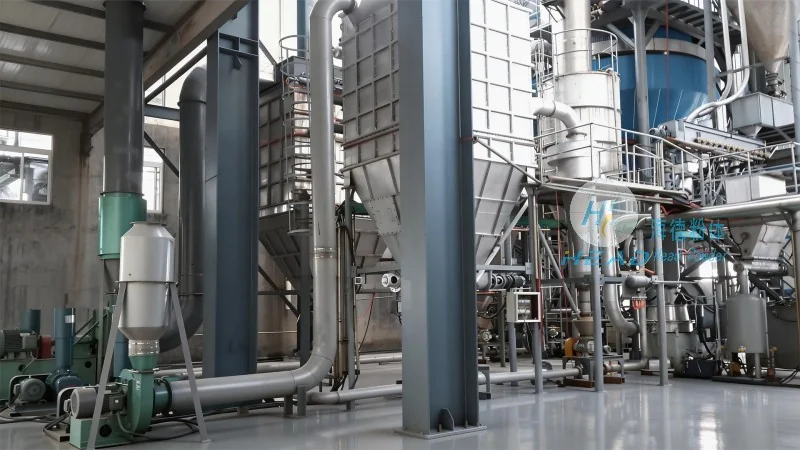
Steel sand pneumatic conveying equipment offers several advantages over traditional material handling methods, such as belt conveyors or bucket elevators. One of the primary advantages is the ability to transport materials in a closed system, which reduces dust emissions and improves safety in the workplace. Additionally, the system can handle abrasive materials like steel sand without causing significant wear to the components, thanks to the design of the conveyor line and the control of air pressure. The flexibility of pneumatic conveying systems also allows for the transport of materials over long distances and through complex layouts, making it suitable for various industrial applications. Furthermore, the system can be easily integrated with other processing equipment, enhancing the overall efficiency of the production line.
Applications and Industries
Steel sand pneumatic conveying equipment is widely used in various industries that require the handling of bulk materials. In the manufacturing sector, it is commonly used in foundries and metal processing plants to transport steel sand for casting and molding processes. The equipment is also utilized in the construction industry for the transport of sand and gravel, while in the chemical industry, it is used to handle abrasive powders and granules. The versatility of the system makes it suitable for a wide range of applications, from small-scale operations to large-scale industrial plants.
Maintenance and Operational Considerations
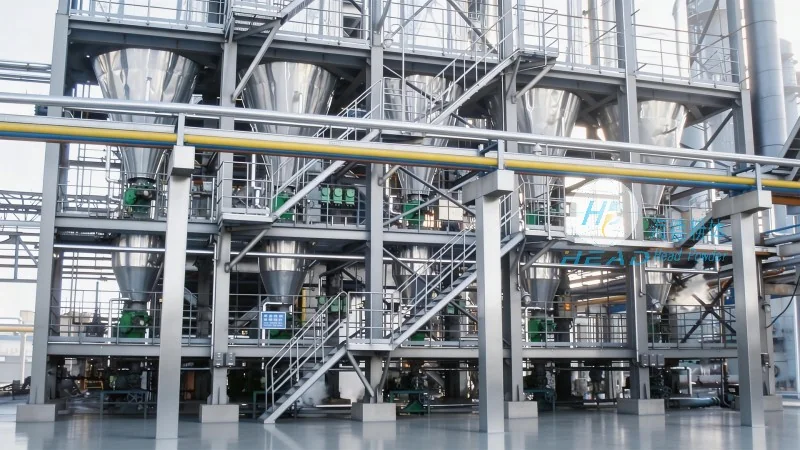
Proper maintenance is essential to ensure the long-term performance and reliability of steel sand pneumatic conveying equipment. Regular inspections of the hopper, conveyor line, and blower are necessary to check for any signs of wear or damage. The air filter and compressor should be maintained to ensure clean air flow, which prevents the accumulation of dust and debris in the system. Additionally, the control system should be checked regularly to ensure it is functioning correctly and that the pressure and flow rates are within the optimal range. Proper maintenance not only extends the lifespan of the equipment but also reduces downtime and maintenance costs. It is also important to follow the manufacturer's guidelines for operation and maintenance to ensure the safety and efficiency of the system.
Conclusion
Steel sand pneumatic conveying equipment is a sophisticated and efficient solution for the transportation of steel sand and similar bulk materials. The operation process and working principle of such equipment are designed to provide reliable and safe material handling, with the ability to handle abrasive and heavy materials. HeadPowder, with its expertise in material handling solutions, offers high-quality equipment that meets the specific needs of clients across various industries. By understanding the operation process and working principle of these systems, businesses can make informed decisions about implementing such equipment to enhance their production efficiency and safety.