

Operation Process and Working Principle of Salt Pneumatic Conveying Equipment
Comprehending the operation process and working principle of salt pneumatic conveying equipment is essential for optimizing material handling in industrial operations. This equipment efficiently transports bulk salt through a pressurized air system, offering a reliable solution for diverse applications. The following sections provide a detailed overview of how these systems function and the key steps involved in their operation.
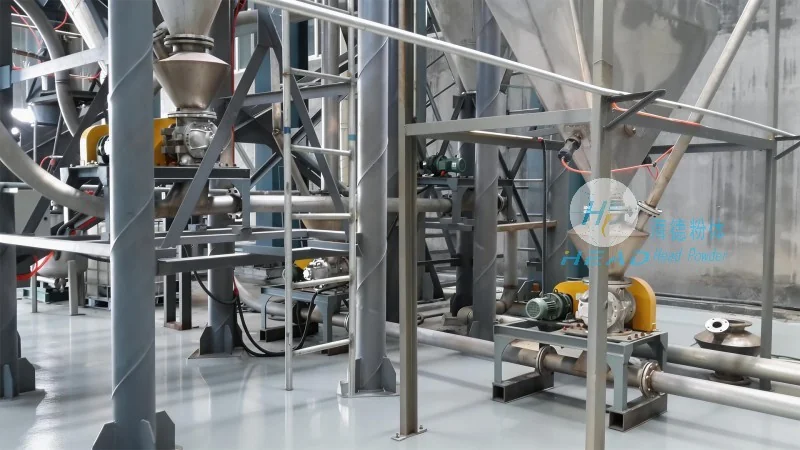
Company Overview: HeadPowder
HeadPowder, formally known as Shandong HeadPowder Engineering Co., Ltd., is a leading manufacturer specializing in pneumatic conveying technology. With headquarters in Shandong, China, the company has established itself as a trusted provider of advanced material handling solutions. HeadPowder's expertise lies in designing and manufacturing equipment tailored to the specific needs of industries dealing with bulk materials, including salt processing and transportation.
The Fundamental Working Principle of Pneumatic Conveying
Pneumatic conveying systems operate on the principle of transporting solid materials (in this case, salt) using a flow of air or gas. The process involves creating a pressure differential between the inlet and outlet of the conveying line. When air is introduced into the system at a high velocity, it creates a low-pressure zone that draws the salt particles into the pipeline. The air then carries the salt through the system, delivering it to the desired destination. This method eliminates the need for mechanical components like belts or buckets, reducing maintenance and operational costs.
Detailed Operation Process of Salt Pneumatic Conveying Equipment
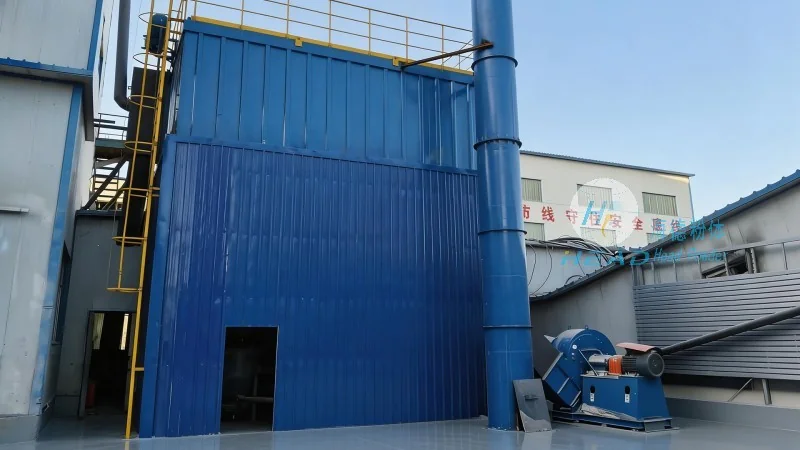
The operation of salt pneumatic conveying equipment typically follows a series of sequential steps. First, the salt is fed into the hopper or storage tank, where it is prepared for transport. A rotary valve or feeder then controls the flow rate of the salt, ensuring a consistent supply to the conveying line. Next, a compressor or blower generates the necessary air pressure, which is introduced into the system. The air and salt mixture travels through the pipeline, with the velocity of the air being carefully controlled to maintain the salt in a suspended state. At the receiving end, a separator or cyclone separates the salt from the air, allowing the air to be recirculated or released, while the salt is collected in a container or storage area.
Key Components and Their Functions
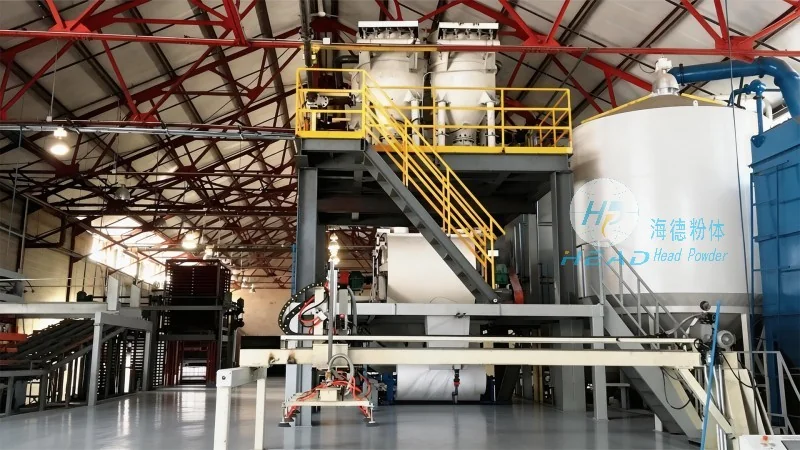
Several critical components work together to ensure the efficient operation of salt pneumatic conveying equipment. The hopper or feeder is responsible for storing and feeding the salt into the system. The rotary valve or feeder regulates the material flow, preventing blockages and maintaining a steady rate. The compressor or blower provides the necessary air pressure to move the salt through the pipeline. The conveying line, often made of stainless steel or other corrosion-resistant materials, transports the air and salt mixture. The separator or cyclone at the end of the line separates the salt from the air, ensuring that the salt is collected without contamination. Finally, the control system monitors and adjusts the pressure, flow rate, and other parameters to optimize performance and prevent system failures.
Application Scenarios and Benefits
Salt pneumatic conveying equipment is widely used in various industries, including food processing, chemical manufacturing, and construction. Its primary benefits include reduced labor costs, improved safety by eliminating manual handling, and increased efficiency in material transport. The system is particularly advantageous for transporting salt over long distances or in environments where mechanical conveyors are not feasible. By utilizing pneumatic conveying, industries can achieve reliable and cost-effective salt transportation, enhancing overall operational productivity.