

Operation Process and Working Principle of Cement Auxiliary Material Pneumatic Conveying Equipment
For cement production plants, the efficient and reliable transportation of auxiliary materials such as limestone, clay, and iron ore is crucial for maintaining production efficiency and product quality. Pneumatic conveying equipment has become a key solution in modern cement manufacturing, offering advantages like dust-free operation, low maintenance, and flexible system design. This article will explore the operation process and working principle of cement auxiliary material pneumatic conveying equipment, providing insights into how these systems enhance industrial productivity.
Key Components of Pneumatic Conveying Systems
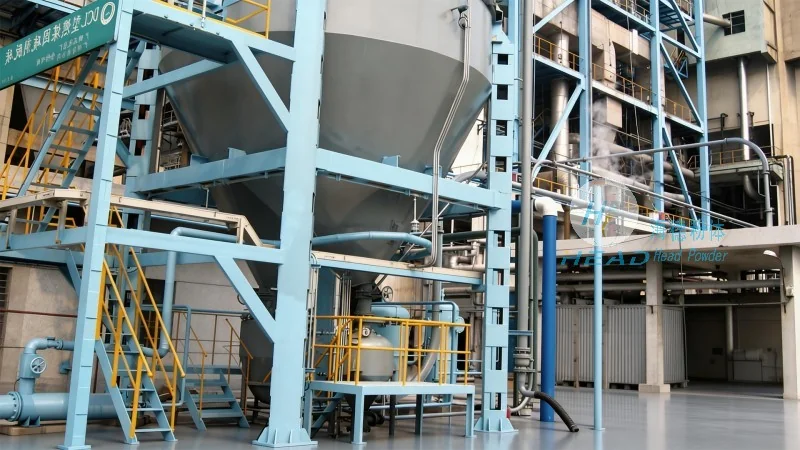
Before delving into the operation process, it's essential to understand the core components that make up a pneumatic conveying system for cement auxiliary materials. The typical components include a material hopper, a feeder (often a rotary valve or screw feeder), a compressor or air mover, a pipeline network, and a receiver or discharge hopper. Each component plays a vital role in ensuring the smooth flow of materials through the system. The material hopper stores the bulk auxiliary materials, while the feeder controls the discharge rate to match the system's air flow. The compressor generates the necessary air pressure to move the material particles through the pipeline. The pipeline network transports the material and air mixture, and the receiver collects the conveyed material, separating it from the air for further processing or storage.
Operation Process of Cement Auxiliary Material Pneumatic Conveying
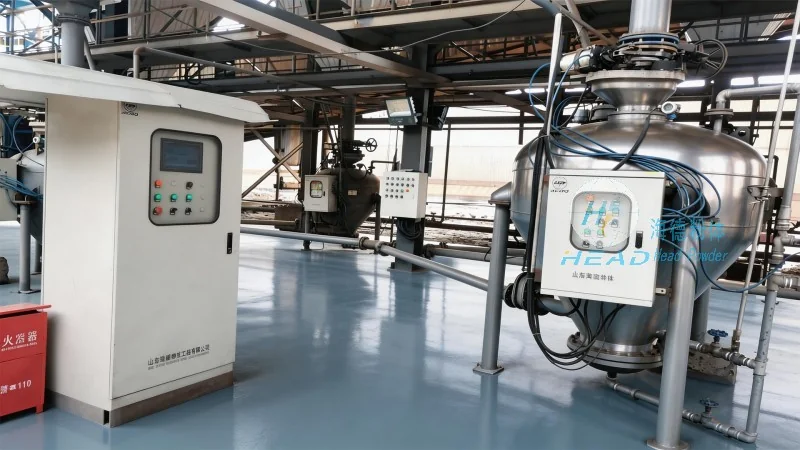
The operation process of a cement auxiliary material pneumatic conveying system involves several sequential steps that ensure the continuous and efficient transport of raw materials. The process typically begins with the loading of the material hopper. Once the hopper is filled, the feeder starts to discharge the material at a controlled rate. Simultaneously, the compressor activates and begins to supply compressed air into the pipeline. The air flow creates a pressure differential that draws the material particles into the pipeline. As the material and air mixture travels through the pipeline, the air velocity is maintained at a level sufficient to keep the particles suspended and prevent settling. The system may include various components such as bends, filters, and pressure regulators to ensure stable operation and prevent material buildup or air leakage. The receiver at the end of the pipeline collects the conveyed material, and the air is either vented to the atmosphere or recycled back into the system, depending on the design. The entire process is automated and can be controlled by a programmable logic controller (PLC) to adjust parameters like air pressure, material feed rate, and system speed based on production demands.
Working Principle of Pneumatic Conveying Technology
The working principle of pneumatic conveying relies on the interaction between air flow and solid particles. There are two main types of pneumatic conveying systems: dilute-phase and dense-phase. Dilute-phase systems operate at higher air velocities, typically 20-30 m/s, and are suitable for long-distance transport and handling of fine materials like limestone powder. In this mode, the material is suspended in the air stream and transported as a dilute mixture. Dense-phase systems, on the other hand, operate at lower air velocities (5-15 m/s) and higher material concentrations, making them ideal for handling bulk materials and preventing material degradation or segregation. The working principle involves creating a pressure difference between the inlet and outlet of the system. The compressor provides the necessary pressure to move the material through the pipeline. The air flow carries the material particles, and the system's design ensures that the particles remain in suspension until they reach the receiver. The separation of material and air in the receiver is achieved through gravity or cyclone separation, where the heavier material settles and is collected, while the air is discharged or recirculated.
Advantages of Pneumatic Conveying for Cement Auxiliary Materials
Implementing pneumatic conveying systems for cement auxiliary materials offers several significant advantages over traditional mechanical conveying methods. First, it provides a dust-free operation, which enhances workplace safety and reduces the risk of dust explosions. Second, the system is compact and flexible, allowing for easy integration into existing production lines and adaptation to changes in production capacity. Third, it requires low maintenance, as there are fewer moving parts compared to belt or bucket elevators, reducing downtime and maintenance costs. Fourth, the system can handle a wide range of material types and sizes, from fine powders to bulk solids, making it versatile for different cement production needs. Additionally, pneumatic conveying systems can be designed for long-distance transport, enabling the efficient movement of materials from storage silos to the cement mill, even over several hundred meters. These advantages make pneumatic conveying an attractive solution for modern cement plants seeking to improve operational efficiency and product quality.
Application in Cement Production
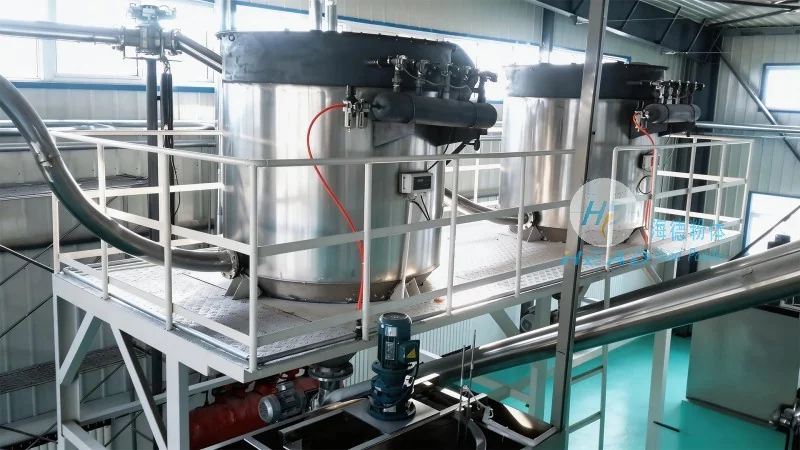
In the context of cement production, the pneumatic conveying of auxiliary materials is a critical step in the manufacturing process. The auxiliary materials, such as limestone, clay, and iron ore, are typically stored in bulk storage silos and need to be transported to the raw mill for grinding. Pneumatic conveying systems efficiently transport these materials from the storage silos to the raw mill feed hopper, ensuring a continuous supply of raw materials. The system's ability to handle bulk materials and fine powders makes it suitable for the diverse range of auxiliary materials used in cement production. By maintaining consistent material flow and minimizing material loss or degradation, the pneumatic conveying system contributes to the overall efficiency of the cement production line. The system's automation and control features also allow for real-time monitoring and adjustment, ensuring that the production process runs smoothly and meets quality standards.
Conclusion and Company Information
Pneumatic conveying equipment is a vital component in modern cement production, providing efficient and reliable transport of auxiliary materials. The operation process involves the coordinated action of various components, including material hoppers, feeders, compressors, and pipelines, working together to move materials through the system. The working principle relies on air flow and pressure differential to suspend and transport material particles. The advantages of this technology, such as dust-free operation, low maintenance, and flexibility, make it an ideal choice for cement plants. Shandong HeadPowder Engineering Co., Ltd., a leading manufacturer of pneumatic conveying systems, specializes in providing customized solutions for cement auxiliary material transport. With a focus on quality and innovation, HeadPowder offers advanced pneumatic conveying equipment designed to meet the specific needs of cement production facilities. Located in Shandong, China, HeadPowder leverages its expertise to deliver efficient and reliable solutions that enhance the productivity and safety of cement manufacturing operations.