

Operation Process and Working Principle of Gas-Solid Pneumatic Conveying Equipment for Calcium Carbi
HeadPowder, a leading engineering firm based in Shandong, China, specializes in the design, manufacturing, and installation of advanced pneumatic conveying systems. The company's core focus is on providing efficient and reliable solutions for handling calcium carbide dust and ash removal, ensuring optimal performance in industrial applications.
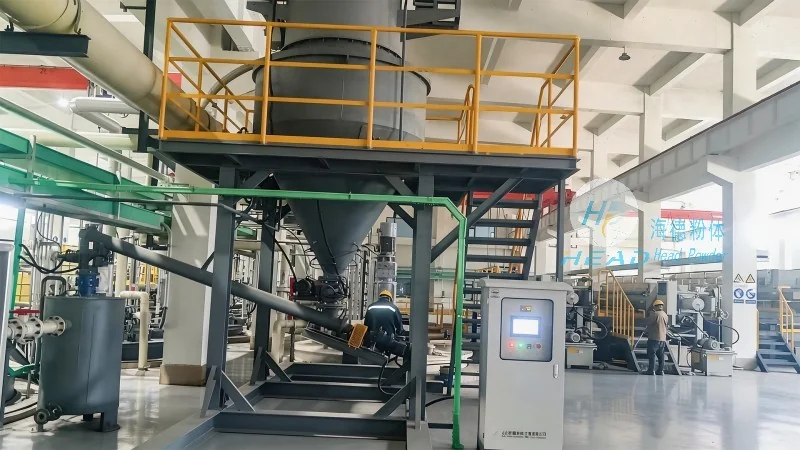
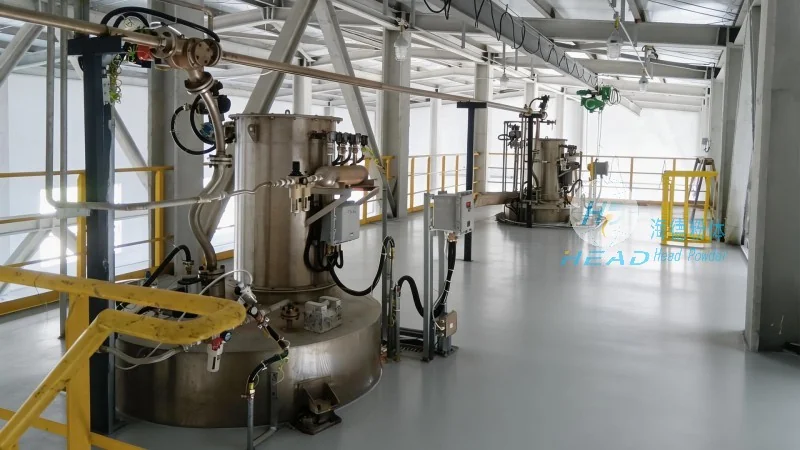
Overview of Gas-Solid Pneumatic Conveying Equipment for Calcium Carbide Dust and Ash Removal
Gas-solid pneumatic conveying equipment is a critical component in industrial processes that involve the handling of calcium carbide dust and ash. This equipment is engineered to transport bulk materials through a pipeline using compressed air, offering a dust-free and efficient method for material transfer. The system is designed to meet the stringent requirements of calcium carbide production facilities, ensuring minimal material loss and maximum operational efficiency.
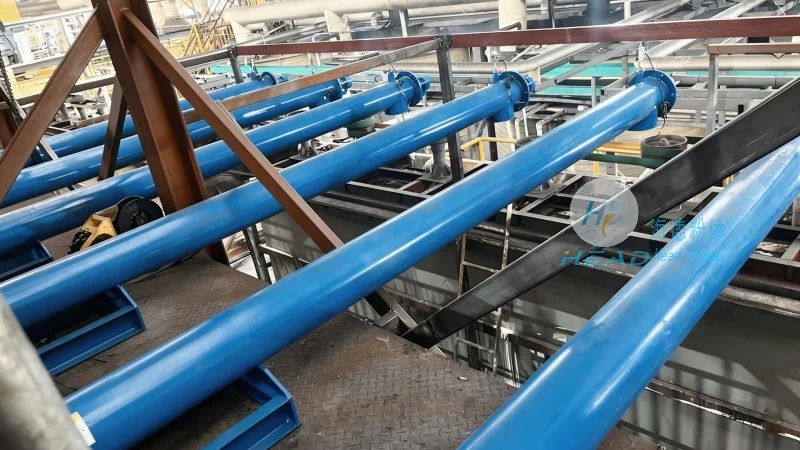
Operation Process of the Gas-Solid Pneumatic Conveying System
The operation of the gas-solid pneumatic conveying equipment for calcium carbide dust and ash removal involves several key steps. First, the material to be conveyed is fed into the hopper or feeder, where it is then introduced into the conveying line. Compressed air is then supplied to the system, creating a high-velocity air stream that propels the material through the pipeline. The equipment is equipped with control valves and pressure regulators to maintain consistent flow rates and pressure levels, ensuring smooth and continuous operation. The material is then discharged at the receiving end, completing the conveying process. The system may also include features such as rotary valves and airlocks to control the flow of material and prevent backflow, enhancing the overall reliability of the operation.
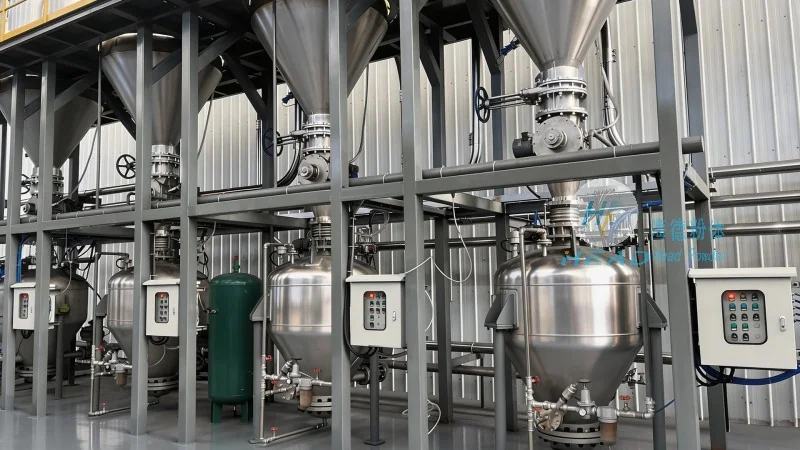
Working Principle of the Pneumatic Conveying System
The working principle of the gas-solid pneumatic conveying equipment relies on the interaction between the material and the air stream. The system operates by generating a high-velocity air flow within the pipeline, which entrains the calcium carbide dust and ash particles. The air velocity is maintained above the minimum fluidization velocity of the material, ensuring that the particles remain suspended and transported efficiently. The equipment uses a combination of positive and negative pressure zones to control the flow direction and prevent material buildup. The design incorporates features such as cyclone separators and filters to separate the material from the air, ensuring that the conveyed material is clean and free from contaminants. Additionally, the system may utilize air compressors and filtration systems to maintain air quality and prevent dust accumulation in the pipeline, ensuring long-term operational stability.