

Operation Process and Working Principle of Quantitative Weighing Pneumatic Conveying Machine
Quantitative weighing pneumatic conveying machines are advanced industrial equipment designed to transport bulk materials with precision and efficiency. These systems are widely used in various industries such as food processing, chemical manufacturing, and pharmaceuticals, where accurate material handling is critical. The technology integrates pneumatic conveying with weighing mechanisms to ensure consistent and controlled material flow, meeting stringent quality and operational standards.
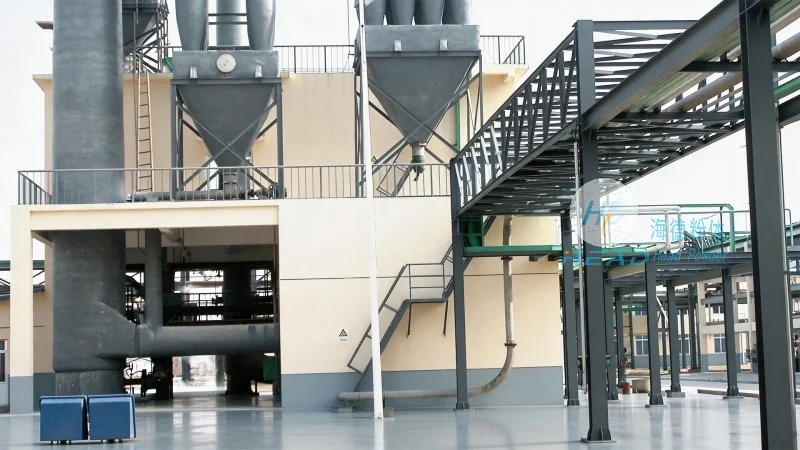
Working Principle of Quantitative Weighing Pneumatic Conveying Machines
The core of a quantitative weighing pneumatic conveying system lies in its dual functionality: pneumatic transport and weight measurement. The process begins with the material being fed into the hopper or feeder. From there, the material is drawn into the conveying line by a vacuum or pressure source, depending on the system design. As the material moves through the pipeline, it passes through a weighing hopper or scale, which continuously monitors the mass of the material being conveyed. This real-time data is crucial for maintaining the desired flow rate and ensuring that the output is precisely controlled. The system typically includes components like a rotary valve, airlock, and a dust collector to manage material flow and prevent contamination. The integration of these components allows for a seamless and automated operation, minimizing human intervention and enhancing process reliability.
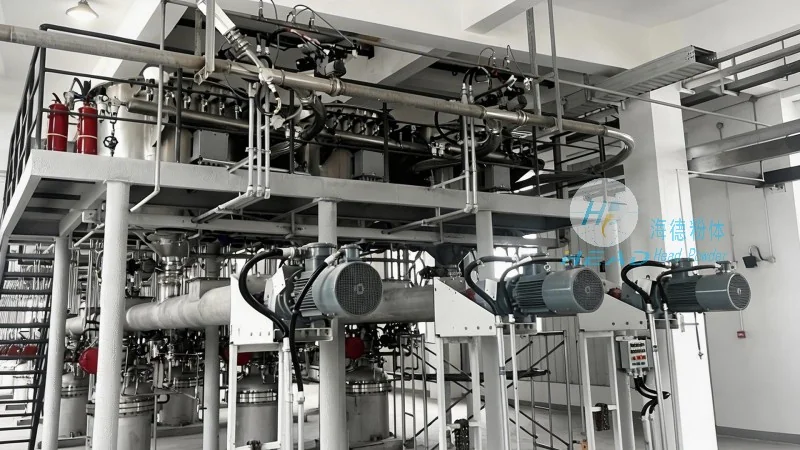
Key Components and Their Roles
Several critical components work in tandem to ensure the smooth operation of quantitative weighing pneumatic conveying machines. The hopper or feeder is the initial point where bulk materials are stored and prepared for transport. It is designed to provide a consistent feed rate, preventing blockages and ensuring a steady flow into the conveying system. The rotary valve or airlock at the discharge end controls the release of material from the hopper, regulating the amount of material entering the pipeline. This component is essential for maintaining the accuracy of the weighing process, as it prevents overloading or underloading of the weighing hopper. The conveying line, usually made of stainless steel or other corrosion-resistant materials, transports the material from the inlet to the outlet. The pipeline design, including bends and straight sections, is optimized to minimize pressure loss and ensure efficient material movement. The weighing hopper or scale is the central component for measuring the material mass. It is equipped with load cells that convert the weight of the material into an electrical signal, which is then processed by a control system to adjust the conveying parameters. The control system uses this data to maintain the desired flow rate, ensuring that the output meets the set weight or volume specifications. Additionally, a dust collector or filter is often included to capture any airborne particles, maintaining a clean and safe working environment. The system may also feature a vacuum or pressure pump that generates the necessary airflow to move the material through the pipeline. The pump's capacity is matched to the material's properties, such as density and particle size, to ensure optimal conveying performance.
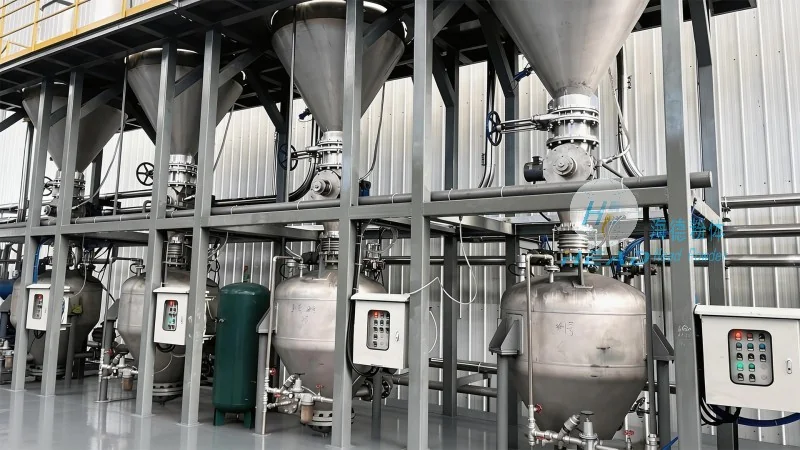
Operation Process: Step-by-Step
The operation of a quantitative weighing pneumatic conveying machine follows a systematic sequence to achieve precise material handling. The process starts with the preparation of the material in the hopper. The material is loaded into the hopper, and the system is started by activating the control panel. The rotary valve then begins to release material into the conveying line at a controlled rate. As the material moves through the pipeline, it enters the weighing hopper. The load cells in the weighing hopper immediately detect the weight of the material and send this data to the control system. The control system analyzes the weight data and adjusts the speed of the rotary valve or the pump's airflow to maintain the desired flow rate. If the weight exceeds the set threshold, the system reduces the feed rate; if it is below, the system increases the feed rate. This closed-loop control ensures that the output material is consistently within the specified weight range. The material continues to be conveyed through the pipeline until it reaches the discharge point, where it is collected in the receiving container. The entire process is automated, with minimal human intervention required. The system can be programmed to operate continuously or in batch mode, depending on the production requirements. During operation, the control system continuously monitors all parameters, including pressure, flow rate, and weight, to detect any anomalies or deviations. If an issue is detected, such as a blockage in the pipeline or an imbalance in the weighing hopper, the system will automatically shut down or alert the operator, preventing damage to the equipment and ensuring product quality. The operation process is designed to be efficient and reliable, with quick response times to maintain the desired output specifications.
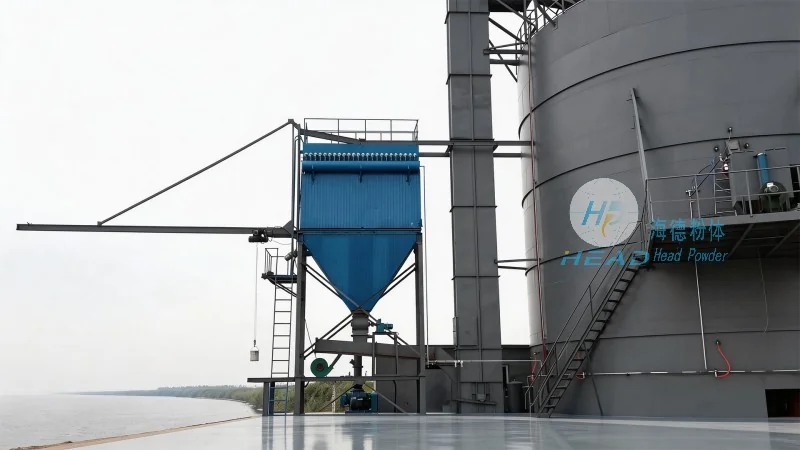
Advantages and Applications
Quantitative weighing pneumatic conveying machines offer several advantages that make them ideal for modern industrial applications. One of the primary benefits is the high level of accuracy in material handling. The integration of weighing technology ensures that the output material is precisely controlled, reducing waste and improving product consistency. This is particularly important in industries where product quality is paramount, such as food and pharmaceuticals. Another advantage is the ability to handle a wide range of materials, including powders, granules, and even fine particles. The system's design allows for flexibility in material properties, making it suitable for diverse applications. The automated operation reduces labor costs and minimizes human error, enhancing overall operational efficiency. Additionally, the system is designed for easy maintenance and cleaning, which is crucial in industries with strict hygiene standards. The use of stainless steel components and the inclusion of a dust collector help maintain a clean environment, reducing the risk of contamination. The quantitative weighing pneumatic conveying machine is widely used in various industries, including food processing, where it is used to transport ingredients like flour, sugar, and spices. In the chemical industry, it is used to handle powders and granules, ensuring accurate dosing and mixing. The pharmaceutical industry also relies on these systems for transporting raw materials and finished products, maintaining the purity and quality of the products. The system's ability to handle sensitive materials without degradation makes it a preferred choice in these sectors. Furthermore, the system's energy efficiency and low maintenance requirements contribute to cost savings over time, making it a cost-effective solution for industrial material handling.