

Operation Process and Working Principle of Vacuum Pneumatic Conveying Equipment
For industrial applications requiring efficient and reliable material handling, vacuum pneumatic conveying systems have emerged as a preferred solution. These systems utilize negative pressure to transport bulk materials over long distances with minimal disruption to the material's properties. This article delves into the operation process and working principle of vacuum pneumatic conveying equipment, highlighting its key components, operational steps, and the advantages it offers in various industrial settings.
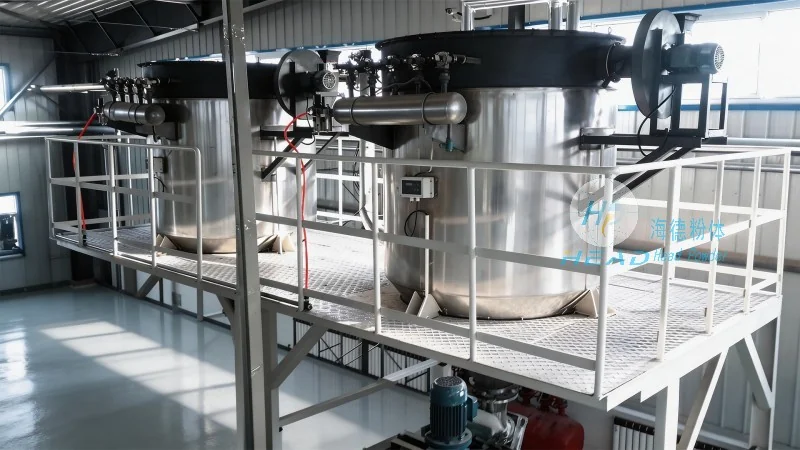
Introduction to Vacuum Pneumatic Conveying Equipment
Vacuum pneumatic conveying, also known as suction conveying, is a method of transporting dry bulk materials through a closed pipeline system using air or gas as the conveying medium. Unlike positive pressure systems that push materials forward, vacuum systems create a negative pressure environment that draws materials from a source into the pipeline. This approach is particularly effective for handling materials that are sensitive to pressure changes, moisture, or contamination, making it suitable for applications in pharmaceuticals, food processing, chemicals, and other industries where material integrity is critical.
Working Principle of Vacuum Pneumatic Conveying
The core of a vacuum pneumatic conveying system lies in its ability to generate and maintain a negative pressure gradient along the pipeline. The process begins with a vacuum pump or fan that draws air from the pipeline, creating a pressure differential between the material source and the discharge point. As the system operates, the vacuum pulls material from the hopper or storage bin into the conveying line. The material is then suspended in the air stream and transported to the destination, where it is separated from the air and discharged. Key components in this system include the vacuum pump, conveying pipeline, material separation unit, and discharge valve. Each component plays a crucial role in ensuring the smooth and efficient transport of materials.
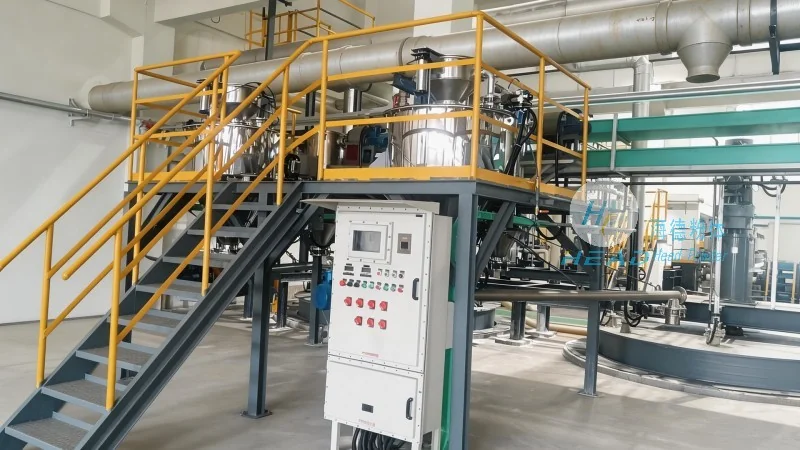
Operation Process of Vacuum Pneumatic Conveying
The operation of a vacuum pneumatic conveying system follows a systematic sequence to ensure optimal performance and material handling. The process typically starts with the preparation phase, where the material is loaded into the hopper and the system is checked for proper functioning. Once the system is ready, the vacuum pump is activated, creating the necessary negative pressure. The material is then drawn from the hopper into the pipeline as the air stream moves through the system. As the material travels along the pipeline, it passes through various sections, including bends, elbows, and filters, which help maintain the material's flow and prevent blockages. At the discharge end, the material is separated from the air using a cyclone or other separation device, and then discharged into the receiving container. The system continues to operate until the material source is depleted or the system is manually stopped. Proper control of the vacuum pressure and air flow rate is essential to maintain consistent material transport and prevent system overload.
Key Components and Their Functions
A vacuum pneumatic conveying system consists of several critical components, each designed to perform a specific function in the material transport process. The vacuum pump or fan is the primary component responsible for generating the negative pressure required to draw materials into the pipeline. It operates by extracting air from the system, creating a pressure difference that pulls material from the source. The conveying pipeline, usually made of stainless steel or other corrosion-resistant materials, provides the path for material and air to travel. The pipeline is designed with appropriate diameters and slopes to ensure smooth flow and prevent material accumulation. The material separation unit, such as a cyclone or bag filter, is used to separate the conveyed material from the air stream at the discharge end. This component ensures that the material is collected efficiently and that the air is cleaned before being released back into the environment. The discharge valve, typically a rotary valve or gate valve, controls the flow of material from the pipeline to the receiving container, allowing for precise control over the discharge rate. Additionally, the system may include filters, sensors, and control panels to monitor and regulate the operation, ensuring safety and efficiency.
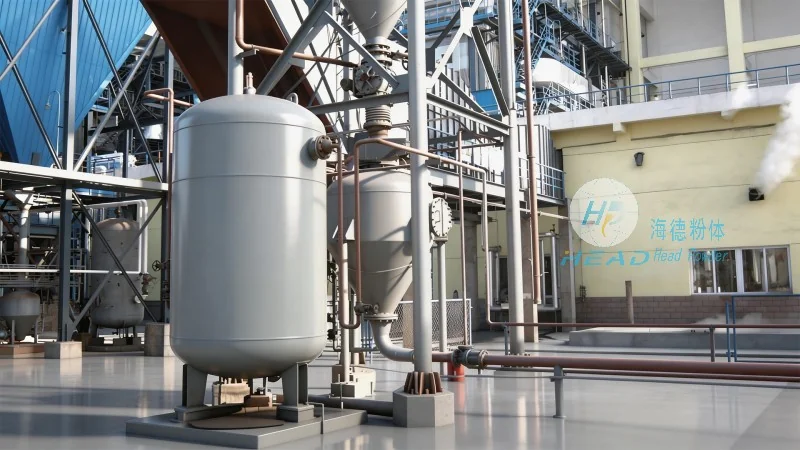
Advantages of Vacuum Pneumatic Conveying Systems
Vacuum pneumatic conveying systems offer several advantages over other material handling methods, making them a popular choice in many industries. One of the primary benefits is the ability to transport materials over long distances with minimal energy consumption. The negative pressure system requires less power compared to positive pressure systems, resulting in lower operational costs. Additionally, vacuum conveying is a closed system, which helps maintain the cleanliness and integrity of the material, preventing contamination from external sources. This is particularly important in industries such as food and pharmaceuticals, where product purity is paramount. The system also allows for continuous and automated material transport, reducing labor costs and increasing productivity. Furthermore, vacuum conveying can handle a wide range of materials, including powders, granules, and fine particles, with minimal degradation. The flexibility of the system allows it to be adapted to various industrial applications, making it a versatile solution for material handling needs.
Company Profile: Shandong HeadPowder Engineering Co., Ltd.
Shandong HeadPowder Engineering Co., Ltd., commonly known as HeadPowder, is a leading manufacturer of vacuum pneumatic conveying equipment in China. With a strong focus on innovation and quality, the company has established itself as a trusted provider of industrial material handling solutions. HeadPowder specializes in designing and manufacturing customized vacuum conveying systems tailored to the specific needs of various industries. The company's products are known for their durability, efficiency, and reliability, meeting the stringent requirements of modern industrial applications. HeadPowder's manufacturing facility is located in Shandong, China, where state-of-the-art technology and skilled workforce ensure the production of high-quality equipment. The company adheres to international standards and continuously invests in research and development to improve its products and stay ahead of industry trends. With a commitment to customer satisfaction and technical excellence, HeadPowder has built a reputation for delivering reliable and efficient vacuum pneumatic conveying solutions to clients worldwide.