

Operation Process and Working Principle of the Polyethylene Gas-Pneumatic Conveying Line by HeadPowd
HeadPowder, a leading engineering company based in Shandong, China, specializes in the design, manufacturing, and installation of advanced material handling systems. Among their portfolio is the Polyethylene Gas-Pneumatic Conveying Line, a sophisticated solution for efficiently transporting polyethylene materials in industrial applications. This article delves into the operational process and underlying principles of this system, providing a comprehensive understanding of its functionality and benefits.
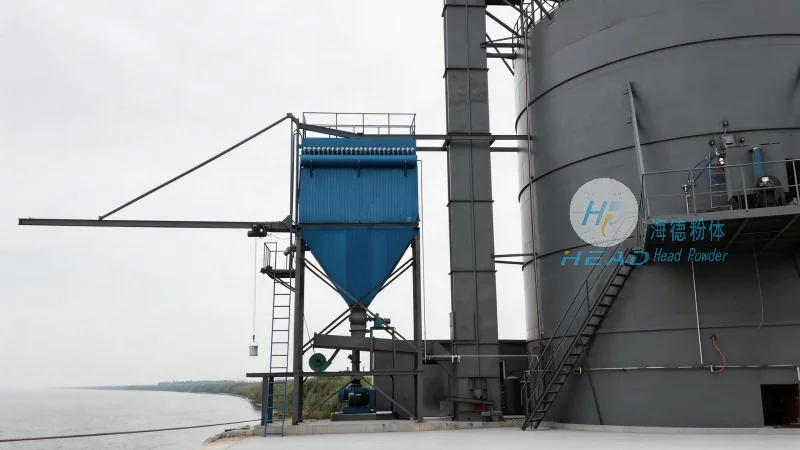
Introduction to the Polyethylene Gas-Pneumatic Conveying Line
The Polyethylene Gas-Pneumatic Conveying Line by HeadPowder is engineered to handle polyethylene powders or granules with precision and reliability. It utilizes a pneumatic conveying system, which relies on compressed air to transport bulk materials through a network of pipes and components. This method offers several advantages over traditional mechanical conveying, including reduced maintenance, lower energy consumption, and the ability to transport materials over longer distances without the need for multiple transfer points.
Key Components of the System
The Polyethylene Gas-Pneumatic Conveying Line consists of several critical components that work in tandem to ensure efficient material transport. These include the hopper (for material storage and feeding), the air compressor (to generate the necessary pressure for conveying), the conveying line (a network of pipes), the control valves (to regulate air flow and material movement), and the receiver (to collect the conveyed material). Each component is carefully designed to meet the specific requirements of polyethylene handling, ensuring optimal performance and durability.
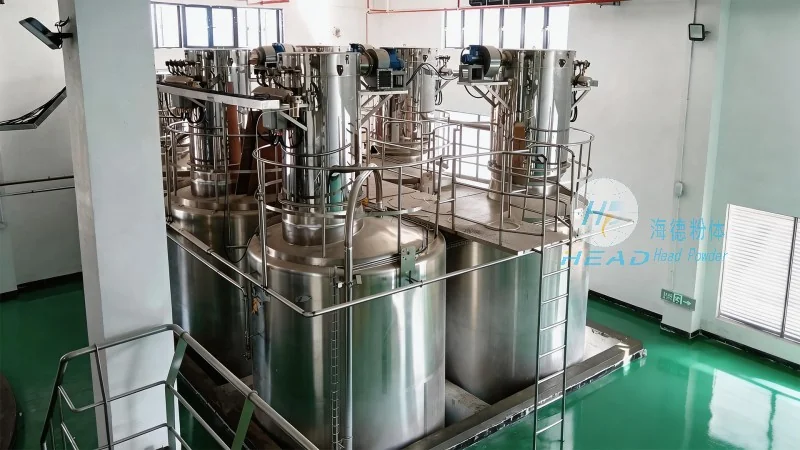
The Operation Process: Step-by-Step Overview
The operation of the Polyethylene Gas-Pneumatic Conveying Line follows a systematic process that ensures smooth and continuous material transport. The process begins with the material being fed from the hopper into the conveying line. The air compressor then generates compressed air, which is introduced into the system. As the air flows through the pipes, it creates a pressure differential that draws the polyethylene material along with it. The material is then transported to the receiver, where it is collected and prepared for further processing or storage.
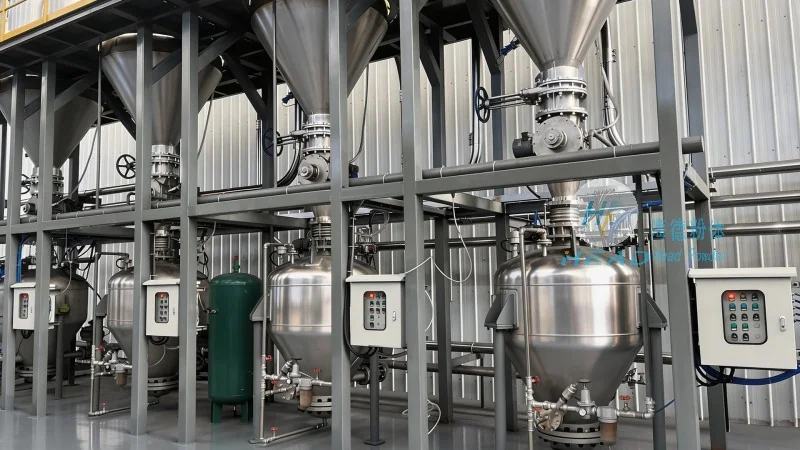
Working Principle: How the System Transfers Polyethylene
The working principle of the Polyethylene Gas-Pneumatic Conveying Line is based on the fundamental concept of pneumatic conveying. Compressed air is used to create a flow of material through the system. The air velocity is carefully controlled to ensure that the polyethylene particles are carried along without causing excessive wear or degradation. The system utilizes a combination of positive and negative pressure zones to move the material efficiently. In the positive pressure zone, air is forced through the conveying line, pushing the material forward. In the negative pressure zone, air is drawn from the line, creating a vacuum that pulls the material. This dual-pressure approach allows for flexible and efficient material transport, adapting to different distances and material characteristics.
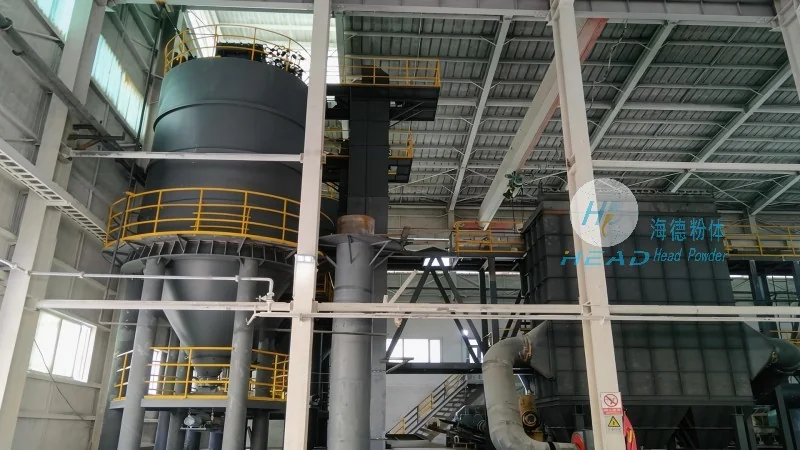
Advantages and Applications
The Polyethylene Gas-Pneumatic Conveying Line by HeadPowder offers numerous advantages for industrial applications involving polyethylene materials. Its ability to handle powders and granules with minimal degradation makes it ideal for applications in plastics manufacturing, packaging, and chemical processing. The system's low maintenance requirements and energy efficiency reduce operational costs, while its compact design allows for easy integration into existing production lines. Additionally, the system's flexibility in conveying materials over long distances without the need for intermediate storage makes it a cost-effective solution for large-scale operations.
Conclusion
HeadPowder's Polyethylene Gas-Pneumatic Conveying Line represents a cutting-edge solution for the efficient and reliable transport of polyethylene materials. By understanding the operation process and working principles of this system, users can appreciate its advanced engineering and practical benefits. As a trusted provider of material handling solutions, HeadPowder continues to innovate and deliver high-quality systems that meet the evolving needs of industrial applications.