

Operation Process and Working Principle of the Air-Pneumatic Conveying Line for Lithium-Ion Battery
HeadPowder, a leading engineering company based in Shandong, China, specializes in the design, manufacturing, and installation of advanced air-pneumatic conveying systems tailored for the lithium-ion battery industry. This article provides a detailed overview of the operation process and working principle of the air-pneumatic conveying line specifically designed for handling lithium-ion battery positive electrodes, highlighting the technical aspects and operational efficiency of such systems.
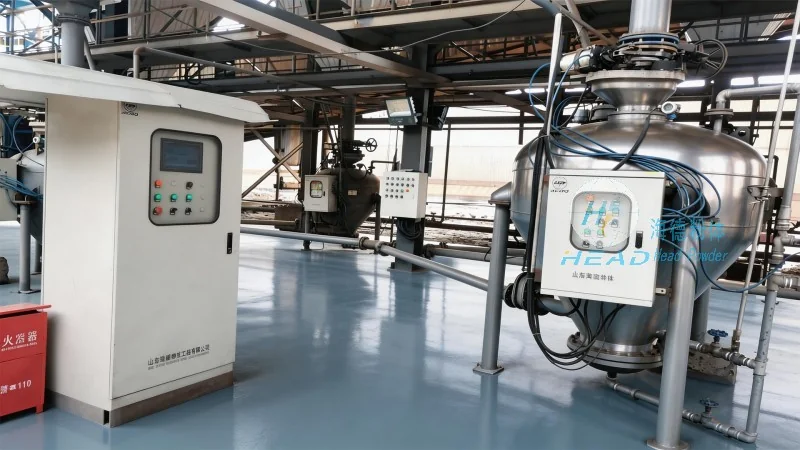
Introduction to Air-Pneumatic Conveying for Battery Positive Electrodes
The air-pneumatic conveying line for lithium-ion battery positive electrodes is a critical component in the production and processing of battery materials. HeadPowder's systems are engineered to handle the unique challenges associated with these materials, including their fine particle size, chemical properties, and the need for high-purity environments. By utilizing air as the primary transport medium, these systems offer a dust-free, low-maintenance, and efficient method for moving positive electrode materials through various stages of the battery manufacturing process.
Key Components of the Air-Pneumatic Conveying System
The air-pneumatic conveying line typically consists of several key components that work in tandem to ensure smooth and reliable operation. These components include: feed hoppers, rotary valves, conveying pipes, pulse jets, dust collectors, and discharge hoppers. Each component plays a crucial role in the overall functionality of the system. For instance, feed hoppers are used to store and meter the positive electrode material, while rotary valves control the flow of material into the conveying line. The conveying pipes, often made of stainless steel or other corrosion-resistant materials, are designed to withstand the chemical and physical stresses of the battery materials. Pulse jets are used to create air currents that propel the material through the pipes, and dust collectors ensure that any airborne particles are captured and returned to the system, maintaining a clean and safe working environment.
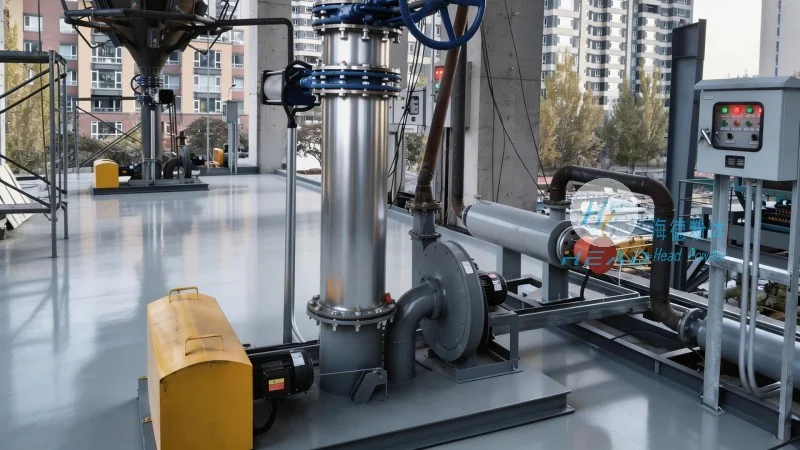
Working Principle of the Air-Pneumatic Conveying Process
The operation of the air-pneumatic conveying line for lithium-ion battery positive electrodes is based on the principle of pneumatic transport, where air is used to move solid particles through a pipeline. The process begins with the material being fed into the system from the feed hopper. The rotary valve then regulates the flow of material into the conveying pipe. As the air is introduced into the pipe via the pulse jet system, it creates a low-pressure zone that draws the material particles into the air stream. The air and material mixture then travels through the conveying pipes to the discharge hopper, where the material is deposited. The air, now containing any fine particles, is then filtered through the dust collector, which separates the particles from the air and returns them to the system, while the clean air is released or recirculated.
Operation Process: From Material Handling to Processing
The operation process of the air-pneumatic conveying line for lithium-ion battery positive electrodes involves several sequential steps that ensure the material is handled efficiently and safely. The first step is material loading into the feed hopper, where the positive electrode material is stored and prepared for transport. The second step is the initiation of the conveying process, triggered by the rotary valve opening and the pulse jet activating. The material is then conveyed through the pipes to the discharge point, where it is collected and transferred to the next processing stage, such as mixing or coating. The system is designed to operate continuously, with the feed hopper being refilled as needed and the discharge hopper being emptied at regular intervals. This continuous operation minimizes downtime and maximizes productivity, making it an ideal solution for high-volume battery production facilities.
Advantages of Using Air-Pneumatic Conveying for Battery Positive Electrodes
HeadPowder's air-pneumatic conveying systems offer several advantages over traditional conveying methods, such as belt conveyors or bucket elevators. One of the primary advantages is the ability to handle fine and dusty materials without generating excessive dust, which is crucial for maintaining a clean and safe working environment in battery manufacturing facilities. Additionally, the systems are highly efficient, with low energy consumption and minimal maintenance requirements. The enclosed design of the conveying line also prevents contamination from external sources, ensuring the high purity of the battery materials. Furthermore, the flexibility of the system allows for easy integration with other production equipment, such as mixers, coaters, and dryers, enabling seamless material flow throughout the battery manufacturing process.
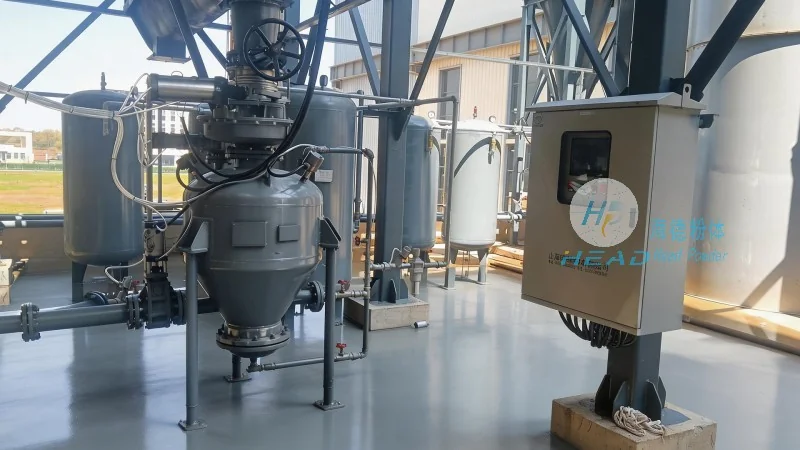
Application in Lithium-Ion Battery Production
The air-pneumatic conveying line for lithium-ion battery positive electrodes is widely used in various stages of battery production, including material handling, mixing, coating, and packaging. In the material handling stage, the system efficiently transports raw materials from storage to the processing equipment. During the mixing stage, the positive electrode material is combined with other components, such as conductive agents and binders, using the conveying system to ensure uniform mixing. In the coating stage, the material is applied to the battery electrodes, and the conveying line helps in transporting the coated material to the drying and curing stages. The system's ability to handle high volumes and maintain material purity makes it an essential component in modern battery production lines.
Conclusion: The Role of HeadPowder's Air-Pneumatic Conveying Systems
HeadPowder's air-pneumatic conveying line for lithium-ion battery positive electrodes represents a sophisticated and efficient solution for handling battery materials. By leveraging advanced engineering and materials, these systems ensure high-purity material transport, minimal dust generation, and optimal operational efficiency. As the demand for lithium-ion batteries continues to grow, the importance of reliable and efficient material handling systems cannot be overstated. HeadPowder, with its expertise in engineering and manufacturing, provides the industry with a trusted solution that meets the stringent requirements of modern battery production. The operation process and working principle of these systems are designed to deliver consistent performance, ensuring that battery manufacturers can achieve high productivity and maintain the quality of their products.