

Operation Process and Working Principle of Fly Ash Pneumatic Conveying Equipment
HeadPowder, a leading manufacturer based in Shandong, China, specializes in providing advanced solutions for the efficient handling of fly ash through pneumatic conveying systems. The fly ash pneumatic conveying machine is a critical piece of equipment in modern industrial applications, designed to transport fly ash from its source to designated storage or processing locations with high efficiency and minimal operational issues. This equipment is particularly valuable in power plants and other facilities where large volumes of fly ash are generated as a byproduct of combustion processes.
Key Components of the Fly Ash Pneumatic Conveying System
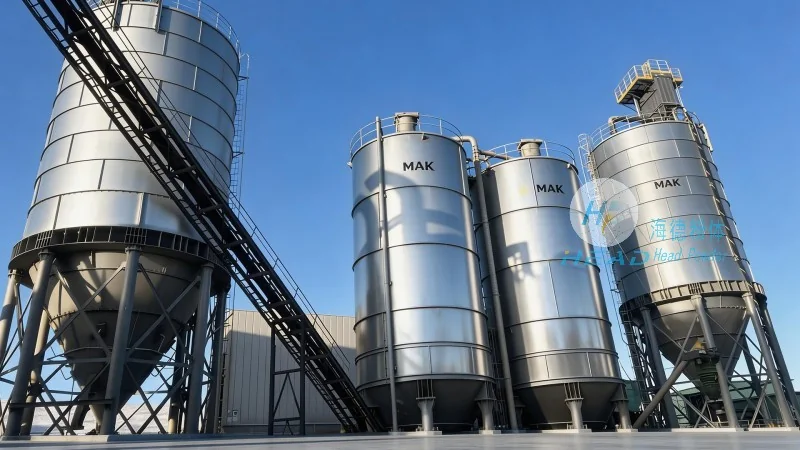
The fly ash pneumatic conveying machine consists of several essential components that work in tandem to ensure smooth operation. These components include the hopper, which serves as the storage and feeding unit for the fly ash; the air compressor or blower, which generates the necessary air pressure to move the material; the pipeline system, which transports the fly ash through the conveying line; and the control system, which regulates the flow and pressure of the air and material. Each component plays a vital role in maintaining the overall performance and reliability of the system.
Operation Process of the Fly Ash Pneumatic Conveying Machine
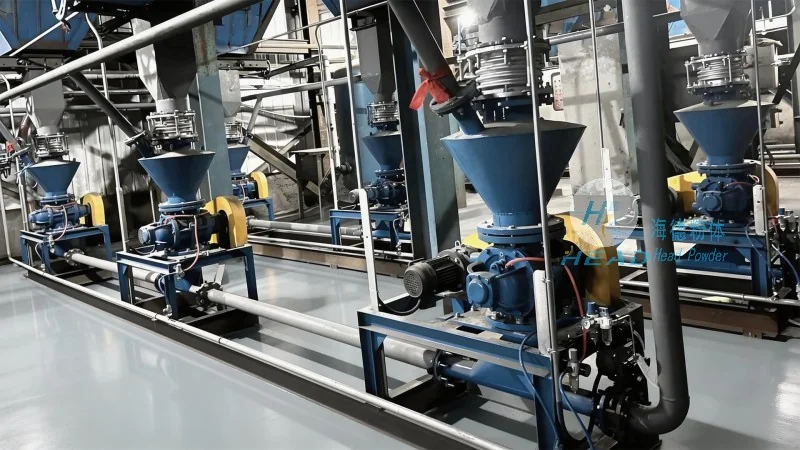
The operation process of the fly ash pneumatic conveying machine begins with the loading of fly ash into the hopper. Once the hopper is filled, the air compressor starts, creating a pressure differential that draws the fly ash into the pipeline. The compressed air then propels the fly ash through the conveying line, transporting it to the destination point. The system is designed to handle varying particle sizes and flow rates, ensuring consistent and reliable performance. The control system monitors the pressure and flow rates, adjusting the air supply as needed to maintain optimal operation. This process allows for the continuous and automated transport of fly ash, reducing the need for manual handling and associated labor costs.
Working Principle of the Pneumatic Conveying System
The working principle of the fly ash pneumatic conveying machine is based on the principles of fluid dynamics and particle transport. The system operates by using compressed air to create a flow of air and material within the pipeline. The air pressure is sufficient to overcome the gravitational force and frictional resistance of the fly ash particles, allowing them to be carried along the pipeline. The velocity of the air and the size of the particles determine the efficiency of the conveying process. The system is designed to maintain a stable flow rate, minimizing the risk of blockages or clogging in the pipeline. The control system ensures that the air pressure and flow rate are maintained at optimal levels, preventing damage to the equipment and ensuring the safe transport of the fly ash.
Advantages of Using Fly Ash Pneumatic Conveying Equipment
Implementing a fly ash pneumatic conveying machine offers several advantages for industrial facilities. Firstly, it provides a highly efficient and reliable method for transporting fly ash, reducing the time and labor required for manual handling. The system can handle large volumes of material with minimal downtime, improving overall productivity. Secondly, the equipment is designed to minimize environmental impact by reducing dust emissions and preventing the spread of fly ash particles. The enclosed pipeline system ensures that the material is contained and transported safely, reducing the risk of contamination and pollution. Additionally, the system is relatively low maintenance, with fewer moving parts compared to traditional conveyor systems, resulting in lower operational costs over time.
Applications and Industries Using Fly Ash Pneumatic Conveying Machines
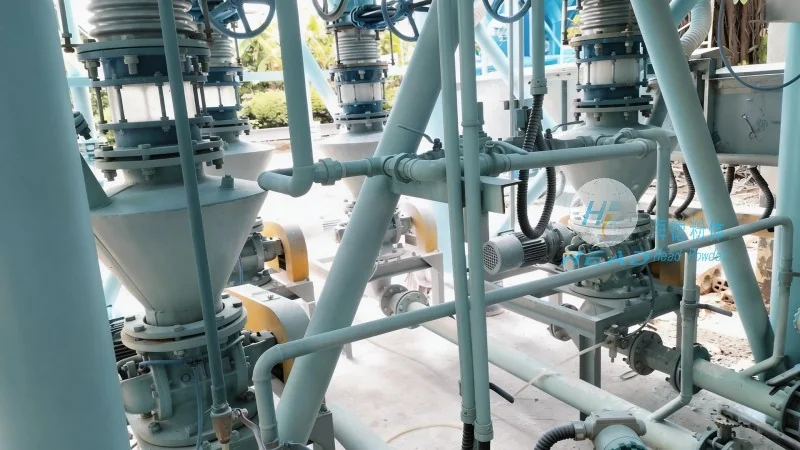
Fly ash pneumatic conveying machines are widely used in various industries, particularly in power generation and cement production. In power plants, the equipment is used to transport fly ash from the boiler to the storage silos or to other processing facilities. The system is also utilized in cement plants, where fly ash is used as a supplementary cementitious material in the production of cement. Other applications include the handling of fly ash in waste management facilities and in industrial processes where fly ash is a byproduct. The versatility of the fly ash pneumatic conveying machine makes it suitable for a wide range of industrial applications, providing a reliable solution for material transport.
Maintenance and Operational Tips for Fly Ash Pneumatic Conveying Systems
To ensure the long-term performance and reliability of the fly ash pneumatic conveying machine, regular maintenance is essential. The hopper should be inspected regularly for any blockages or buildup of material, which can affect the flow rate. The air compressor and blower should be checked for proper operation and maintenance, including oil levels and filter changes. The pipeline system should be inspected for any signs of wear or damage, such as leaks or clogs. The control system should be calibrated regularly to ensure that the pressure and flow rates are maintained at optimal levels. Additionally, it is important to follow the manufacturer's guidelines for operation and maintenance to prevent any issues that could lead to system failure. By following these maintenance tips, facilities can ensure that their fly ash pneumatic conveying machine operates efficiently and reliably for years to come.