

[Operation Process and Working Principle of Starch Pneumatic Conveying System Equipment]
Starch pneumatic conveying systems are critical components in the processing and transportation of starch-based materials. These systems are designed to efficiently move starch powders and granules from one location to another within industrial facilities. The operation of such systems involves a series of steps that ensure smooth and reliable material handling, while the working principle relies on the fundamental physics of air flow and particle movement.
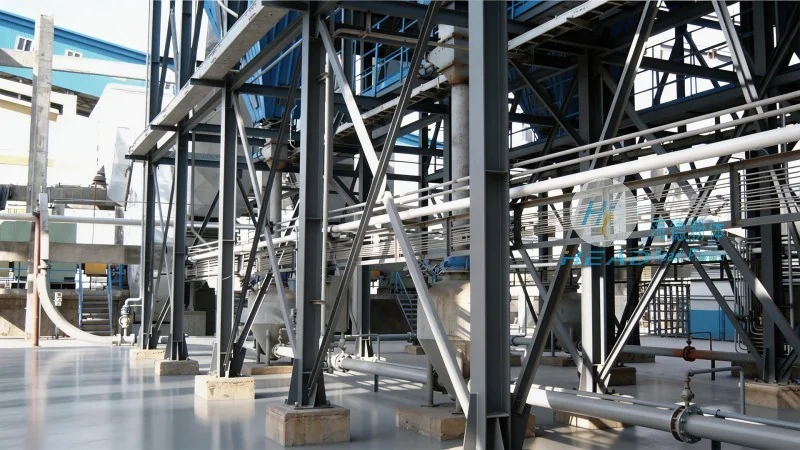
Company Overview: Shandong HeadPowder Engineering Co., Ltd.
HeadPowder, a leading manufacturer in the field of starch processing equipment, specializes in the design, development, and installation of advanced pneumatic conveying systems. With a strong presence in Shandong, China, the company has built a reputation for delivering high-quality, reliable solutions tailored to the specific needs of the starch industry. The company's commitment to innovation and customer satisfaction has made it a trusted partner for businesses operating in starch production, food processing, and related sectors.
Understanding the Starch Pneumatic Conveying System
A starch pneumatic conveying system typically consists of several key components, including a hopper for material storage, a blower or compressor to generate airflow, a pipeline network for material transport, and a receiver or discharge point for the delivered material. The system operates by creating a pressure differential that allows air to flow through the pipeline, carrying the starch particles along with it. This method of conveying is particularly effective for handling fine powders and granules, as it minimizes product degradation and contamination compared to traditional mechanical conveying methods.
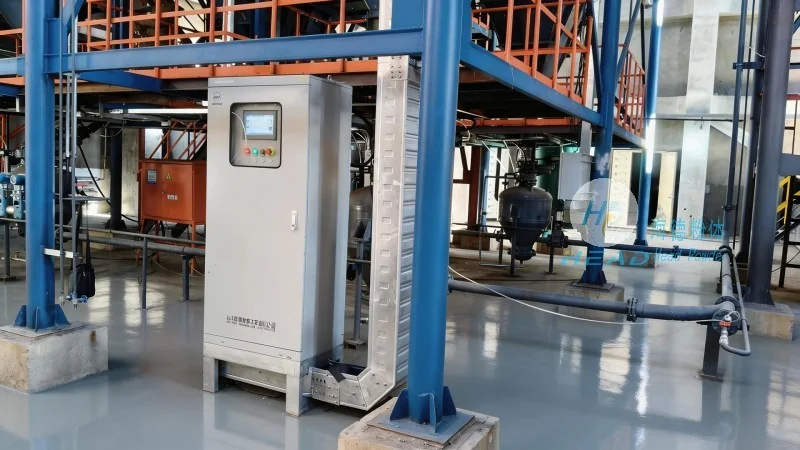
The Operation Process of the Starch Pneumatic Conveying System
The operation process of a starch pneumatic conveying system begins with the loading of starch material into the hopper. The material is then fed into the system via a feeder, which controls the flow rate to match the desired conveying capacity. Simultaneously, the blower or compressor starts to operate, generating a flow of air through the pipeline. As the air moves through the system, it picks up the starch particles from the hopper and transports them to the receiver. The receiver is typically equipped with a filter to separate the air from the starch, ensuring that the material is delivered in a clean and dry state. The system may also include additional components such as cyclones or filters to enhance the separation efficiency and protect the equipment from dust accumulation.
Working Principle of the Starch Pneumatic Conveying System
The working principle of a starch pneumatic conveying system is based on the principles of fluid dynamics and particle transport. When air is forced through the pipeline at a sufficient velocity, it creates a drag force on the starch particles, lifting them into the air stream. The velocity of the air must be high enough to overcome the gravitational force acting on the particles, ensuring that they remain suspended and are carried along the pipeline. The system operates under either positive pressure (pressure conveying) or negative pressure (vacuum conveying), depending on the specific application and material characteristics. Positive pressure systems are commonly used for long-distance or high-capacity conveying, as they can maintain consistent airflow and prevent material backflow. Negative pressure systems, on the other hand, are suitable for short-distance conveying or when the material needs to be transported from a higher to a lower elevation, as they create a vacuum that draws the material into the system.
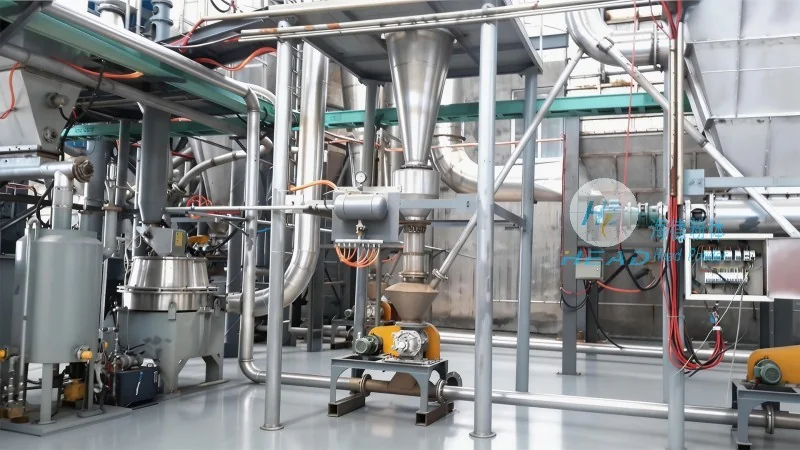
Key Features and Benefits of the System
Starch pneumatic conveying systems offer several advantages over traditional mechanical conveying methods. These include reduced product contamination, as the system is enclosed and prevents exposure to external elements. Additionally, the system minimizes material degradation due to the lack of mechanical friction and impact. The enclosed design also helps in controlling dust emissions, making it a more environmentally friendly option. Furthermore, the system can handle a wide range of starch types, from fine powders to larger granules, with adjustable settings to accommodate different material properties. The flexibility of the system allows for easy integration into existing production lines, reducing downtime and increasing overall operational efficiency.
Application in the Starch Industry
The starch pneumatic conveying system is widely used in various applications within the starch industry. It is commonly employed in the transportation of raw starch from storage silos to processing units, such as milling or refining equipment. The system is also used to move finished starch products from the processing line to packaging areas or storage facilities. In addition, the system can be integrated into quality control processes, where samples of starch are taken from the pipeline and analyzed for purity and moisture content. The reliability and efficiency of the system make it an essential component in modern starch processing facilities, contributing to higher productivity and lower operational costs.
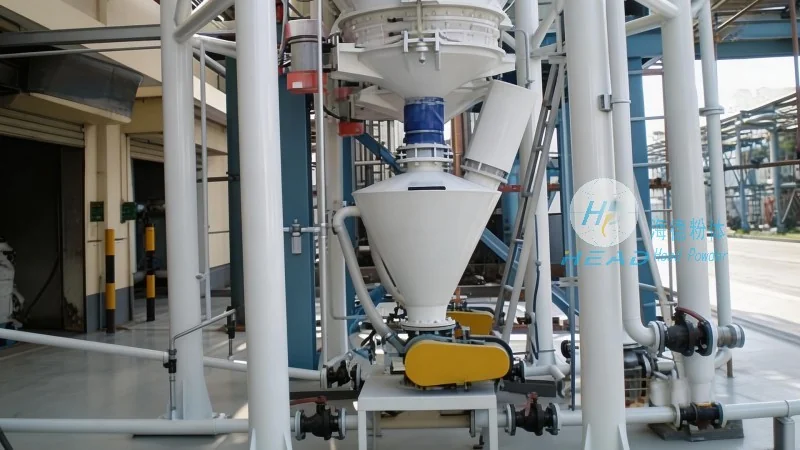
Maintenance and Operational Considerations
To ensure the optimal performance and longevity of a starch pneumatic conveying system, regular maintenance is crucial. This includes cleaning the hopper and pipeline to prevent clogging, inspecting the blower or compressor for wear and tear, and checking the filter and cyclone for blockages. The system should also be operated within the recommended parameters, such as airflow velocity and pressure, to avoid excessive wear on components and ensure efficient material transport. Proper training of operators is also essential to handle any potential issues that may arise during operation, such as material buildup or air leaks. By following these maintenance and operational guidelines, the system can maintain its efficiency and reliability, providing consistent performance over an extended period.
Conclusion
Starch pneumatic conveying systems are sophisticated and efficient solutions for the transportation of starch materials in industrial settings. The operation process involves a coordinated sequence of steps, from material loading to delivery, while the working principle relies on the interaction between air flow and particle movement. With its advantages in contamination control, material preservation, and environmental friendliness, the system has become a standard in the starch industry. As a leading manufacturer, Shandong HeadPowder Engineering Co., Ltd. continues to innovate and improve its pneumatic conveying systems, providing customers with reliable and high-performance solutions that meet the evolving needs of the starch processing industry.