

Operation Process and Working Principle of Lead Powder Pneumatic Conveying System Equipment
The lead powder pneumatic conveying system equipment, as a specialized industrial solution, is designed to efficiently transport lead powder from one location to another through the use of air as the conveying medium. This technology is particularly crucial in industries dealing with lead-based materials, where traditional mechanical conveying methods may pose challenges such as material segregation, contamination, or high maintenance requirements. The system combines advanced engineering principles with robust construction to ensure reliable and safe operation, making it a preferred choice for applications requiring precise and controlled material handling.
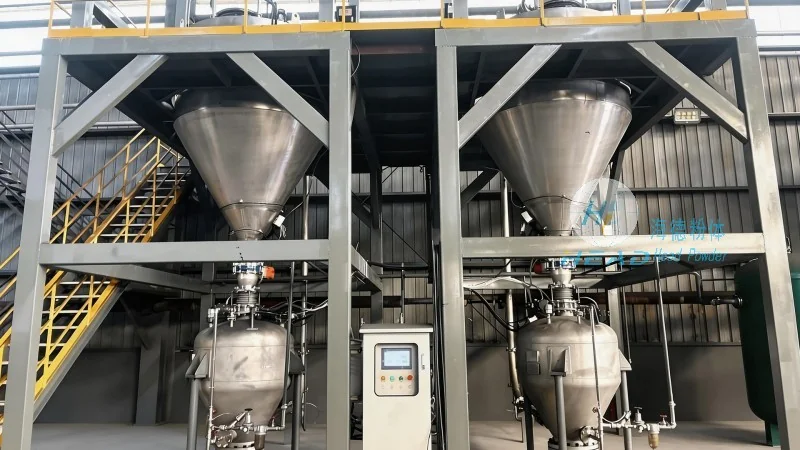
Key Components of the Pneumatic Conveying System
At the core of the lead powder pneumatic conveying system are several critical components that work in tandem to achieve effective material transport. The primary components include the material hopper, which serves as the storage and feeding unit for the lead powder; the air compressor or blower, responsible for generating the necessary air pressure to move the material; the conveying line, typically made of durable materials like stainless steel to prevent corrosion from lead powder; and the control system, which regulates the flow of air and material to maintain optimal operating conditions. Additionally, the system may incorporate features such as rotary valves for controlled material discharge and filters to ensure clean air and prevent dust accumulation.
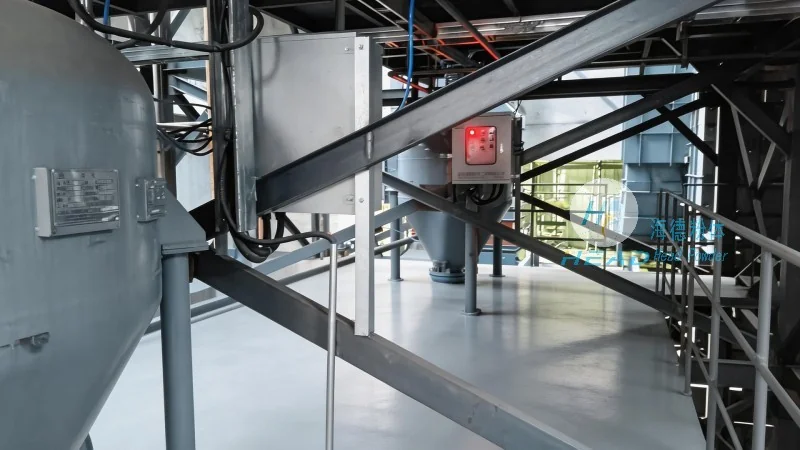
Working Principle of the Pneumatic Conveying Process
The operation of the lead powder pneumatic conveying system is based on the principle of fluidization and suspension of the material particles in a stream of air. When the air compressor operates, it generates a high-pressure air flow that is introduced into the material hopper. The air flow lifts the lead powder particles, creating a suspended mixture known as a slurry. This mixture is then carried through the conveying line to the destination point, such as a processing unit or storage silo. The system's design ensures that the air velocity is sufficient to keep the lead powder particles in suspension, preventing them from settling or clogging the system. The control system continuously monitors parameters like air pressure, flow rate, and material level to maintain stable operation and prevent overloading or underloading of the conveying line.
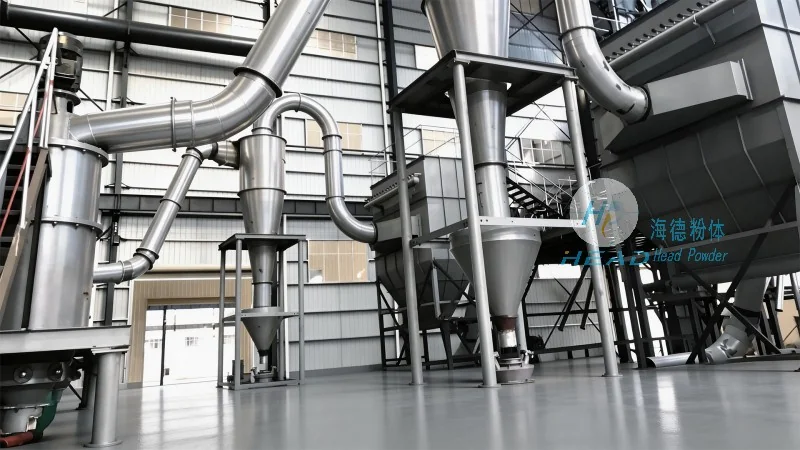
Operation Process of the Lead Powder Pneumatic Conveying System
The operational process of the lead powder pneumatic conveying system involves several sequential steps that ensure smooth and efficient material handling. Initially, the lead powder is fed into the material hopper from a storage silo or batch container. The hopper is equipped with a rotary valve that controls the flow rate of the material into the system. Simultaneously, the air compressor starts and generates the required air pressure. The air is then introduced into the hopper, creating a positive pressure environment that lifts the lead powder particles. As the air flows through the conveying line, it transports the suspended lead powder to the receiving vessel. The receiving vessel is typically equipped with a filter and a pressure regulator to maintain the appropriate pressure and prevent backflow. The system's control panel allows operators to adjust the air flow rate and material feed rate in real-time, ensuring that the conveying process is optimized for the specific requirements of the lead powder being handled. This dynamic adjustment capability is essential for maintaining consistent material flow and preventing system inefficiencies or material degradation.
Advantages of Using Lead Powder Pneumatic Conveying Equipment
Implementing a lead powder pneumatic conveying system offers several advantages over traditional mechanical conveying methods. Firstly, it provides a dust-free and enclosed environment, which is critical for handling lead powder to minimize health risks and environmental contamination. The enclosed system prevents lead dust from dispersing into the workplace, reducing the risk of respiratory issues and ensuring compliance with occupational safety regulations. Secondly, the system offers high efficiency in material transport, as the air flow can move large quantities of lead powder over long distances with minimal energy consumption compared to mechanical conveyors. This efficiency translates into cost savings in terms of energy and maintenance. Thirdly, the system is highly flexible and can be easily integrated into existing production lines, allowing for adjustments in material flow rates and destinations without significant modifications. Additionally, the use of stainless steel components in the conveying line ensures durability and resistance to corrosion from lead powder, reducing the need for frequent replacements and maintenance. These advantages make the lead powder pneumatic conveying system a reliable and cost-effective solution for industries dealing with lead-based materials.
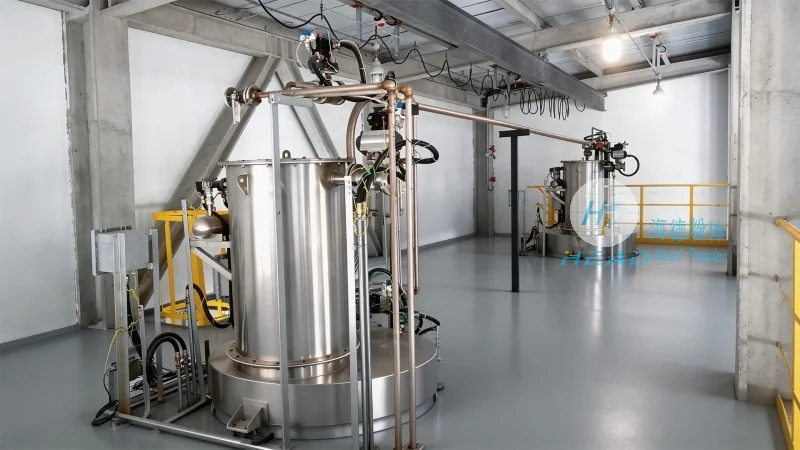
Maintenance and Safety Considerations for the System
Proper maintenance and adherence to safety protocols are essential for the long-term performance and safety of the lead powder pneumatic conveying system. Regular maintenance activities include inspecting and cleaning the conveying line and filters to prevent clogging and ensure optimal air flow. The air compressor and control system components should be checked periodically for wear and tear, and lubricated as per manufacturer recommendations. The material hopper and rotary valve should be inspected for any signs of wear or damage that could affect material flow or cause leaks. Safety considerations are paramount due to the nature of lead powder, which is a hazardous material. The system should be equipped with appropriate dust extraction and ventilation systems to remove any airborne lead particles. Operators should wear personal protective equipment (PPE) such as respirators, gloves, and protective clothing when handling the system. Regular safety training should be provided to ensure that all personnel are aware of the potential risks and how to operate the system safely. Additionally, the system should be equipped with emergency stop buttons and alarms to respond to any unexpected issues, such as overpressure or material blockages. By following these maintenance and safety guidelines, the lead powder pneumatic conveying system can operate reliably and safely, minimizing downtime and ensuring the well-being of the personnel involved.