

Operation Process and Working Principle of Pneumatic Conveying System Equipment for Dust Collection
HeadPowder, a leading provider of industrial equipment, specializes in the design, manufacturing, and installation of pneumatic conveying systems tailored for dust collection stations. These systems are crucial for efficiently transporting bulk materials like powders and granules from dust collection points to storage or processing units, ensuring optimal performance and reliability in industrial operations.
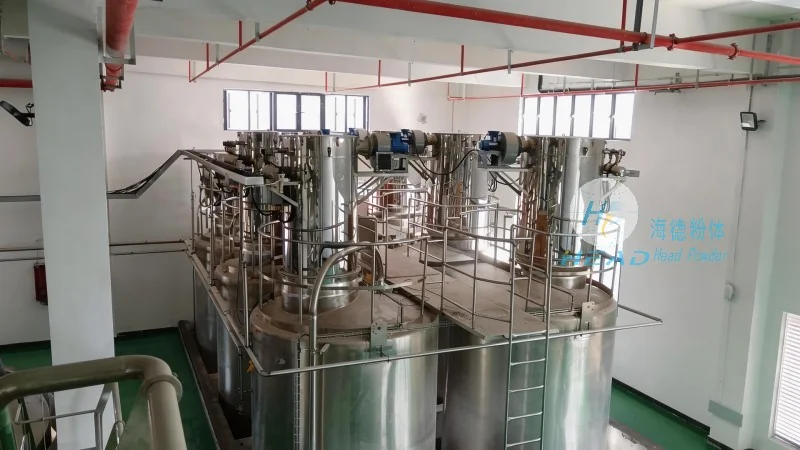
Overview of Pneumatic Conveying Systems in Dust Collection Stations
At Shandong HeadPowder Engineering Co., Ltd., our pneumatic conveying systems are engineered to meet the demanding requirements of modern dust collection applications. The system integrates advanced components that work in tandem to achieve seamless material transport, minimizing downtime and maximizing operational efficiency. Located in Shandong, China, our company leverages years of expertise to deliver solutions that align with global industrial standards.
Key Components and Their Functions
The pneumatic conveying system for dust collection stations typically consists of several core components, each playing a vital role in the overall operation. These include the dust collector (or hopper), a conveying line (usually made of metal or flexible tubing), a blower or air compressor, and a control system. The dust collector serves as the initial stage, capturing airborne particles and directing them into the conveying line. The blower generates the necessary air pressure to move the material through the system, while the control system monitors and regulates the flow to prevent blockages or overpressure.
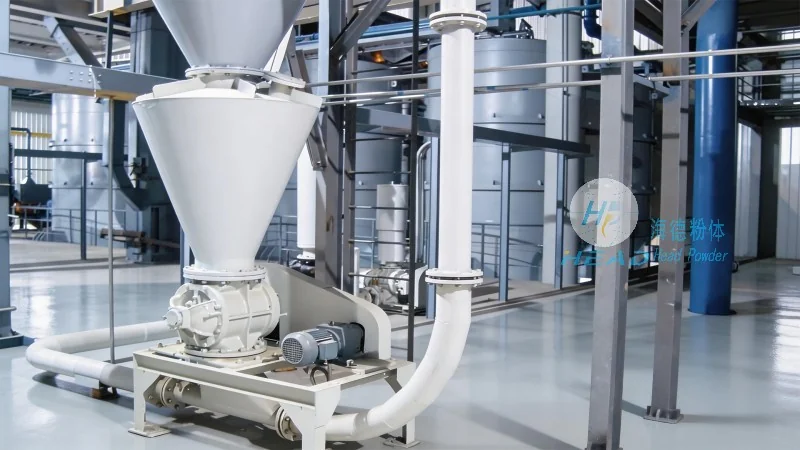
Working Principle of the Pneumatic Conveying Process
The operation of the pneumatic conveying system begins when material is discharged from the dust collector into the conveying line. The blower then injects high-pressure air into the line, creating a flow that propels the material forward. As the air and material mixture travels through the system, it passes through various sections such as bends, filters, and expansion chambers. These components are designed to maintain consistent air velocity and prevent material degradation or loss. The system terminates at a receiver or storage tank, where the material is deposited under controlled conditions.
Operation Process: Step-by-Step Guide
1. Material Collection: The dust collector continuously gathers airborne particles from the production environment, ensuring that the material is captured before it can escape into the atmosphere. This step is critical for maintaining air quality and compliance with environmental regulations. 2. Air Compression: The blower or air compressor is activated, generating a high-pressure air stream. The pressure is carefully controlled to match the material's properties, such as density and particle size, to ensure efficient transport. 3. Conveying: The compressed air is introduced into the conveying line, creating a flow that carries the material through the system. The air velocity is maintained at a level that prevents material settling or blockages, which could lead to system failure. 4. Material Deposition: Upon reaching the receiver, the material is deposited under gravity or controlled pressure, ready for further processing or storage. The system then returns to the initial state, ready for the next cycle.
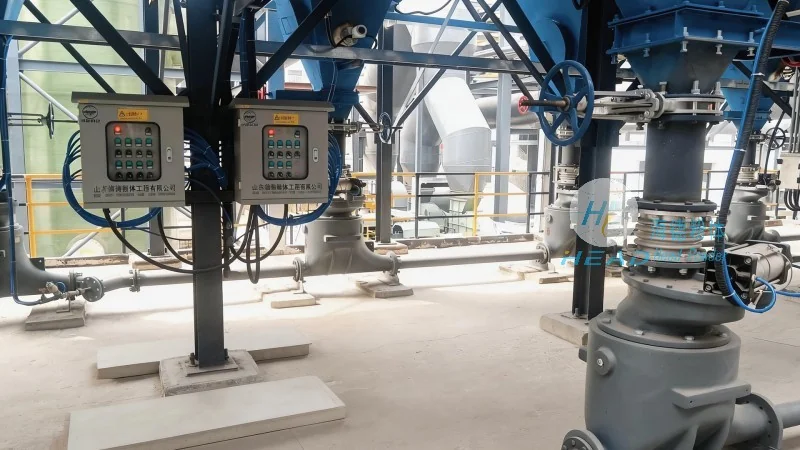
Advantages of Pneumatic Conveying Systems
HeadPowder's pneumatic conveying systems offer several advantages over traditional mechanical conveying methods. These include: - Reduced Downtime: The system operates continuously without the need for manual intervention, minimizing operational interruptions. - Low Maintenance: The absence of moving parts in the conveying line reduces wear and tear, leading to lower maintenance costs. - Environmental Compliance: By capturing dust at the source, the system helps meet environmental regulations and improves workplace air quality. - Customization: Our systems can be tailored to specific material characteristics and operational requirements, ensuring optimal performance for each application.
Conclusion
Shandong HeadPowder Engineering Co., Ltd. provides reliable and efficient pneumatic conveying systems for dust collection stations. By leveraging advanced technology and expert engineering, our solutions ensure seamless material transport, enhanced operational efficiency, and compliance with industry standards. With our headquarters in Shandong, China, we continue to deliver high-quality equipment that meets the evolving needs of industrial clients worldwide.