

Operation Process and Working Principle of Tote Bag Packing Pneumatic Conveying System Equipment
HeadPowder, a leading engineering company based in Shandong, China, specializes in the design, manufacturing, and installation of advanced pneumatic conveying systems tailored for bulk material handling. This article provides a detailed overview of the operation process and working principles of the tote bag packing pneumatic conveying system equipment, highlighting its efficiency, reliability, and key components that ensure seamless material transfer.
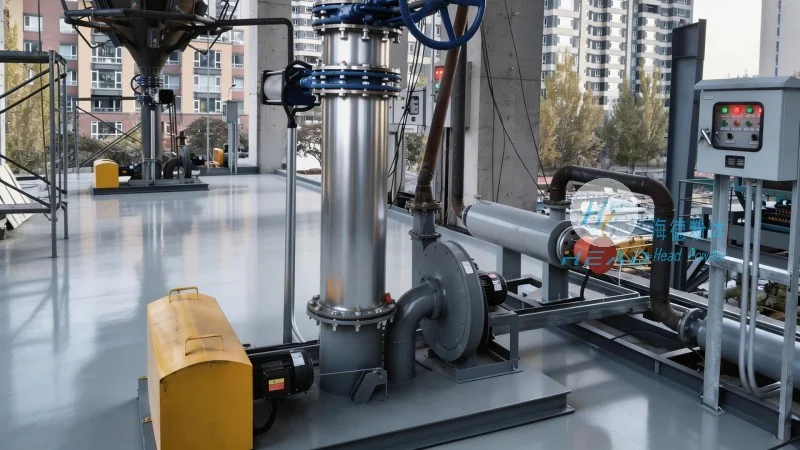
Company Overview and Expertise
Shandong HeadPowder Engineering Co., Ltd., commonly known as HeadPowder, is a reputable manufacturer and supplier of industrial conveying solutions. With a strong presence in the Chinese market and a commitment to quality, HeadPowder has established itself as a trusted partner for businesses requiring efficient material handling systems. The company’s expertise lies in developing customized pneumatic conveying systems that meet the specific needs of various industries, including chemical, food, pharmaceutical, and mining sectors.
Understanding the Tote Bag Packing Pneumatic Conveying System
The tote bag packing pneumatic conveying system is a sophisticated piece of equipment designed to transport bulk materials from a storage tote bag to a processing or packaging unit. This system combines the functionality of a tote bag for material storage with the efficiency of pneumatic conveying technology, enabling a continuous and automated material transfer process. The system is particularly suitable for handling dry, free-flowing materials such as powders, granules, and fine particles, where traditional conveyor systems may be less effective.
Key Components of the System
The tote bag packing pneumatic conveying system consists of several critical components that work in harmony to achieve efficient material transfer. These components include:
1. Tote Bag and Loading Hopper: The system starts with a tote bag, typically made of durable materials like polyethylene or stainless steel, which serves as the primary storage container for bulk materials. The loading hopper is attached to the tote bag and is responsible for collecting material from the storage area and feeding it into the conveying line.
2. Pneumatic Conveying Line: This is the core of the system, consisting of a network of pipes and ducts that use compressed air to transport material from the loading hopper to the discharge point. The line may include various components such as elbows, tees, and filters to ensure smooth material flow and prevent blockages.
3. Compressor and Air Treatment Unit: The compressor generates the necessary compressed air to power the conveying process. The air treatment unit, which includes filters and dryers, ensures that the air used in the system is clean and free from contaminants that could affect the material quality or damage the equipment.
4. Control System: An advanced control system monitors and regulates the operation of the entire conveying process. This system allows for real-time adjustments to the air pressure, flow rate, and material feed rate, ensuring optimal performance and preventing overloading or underloading of the system.
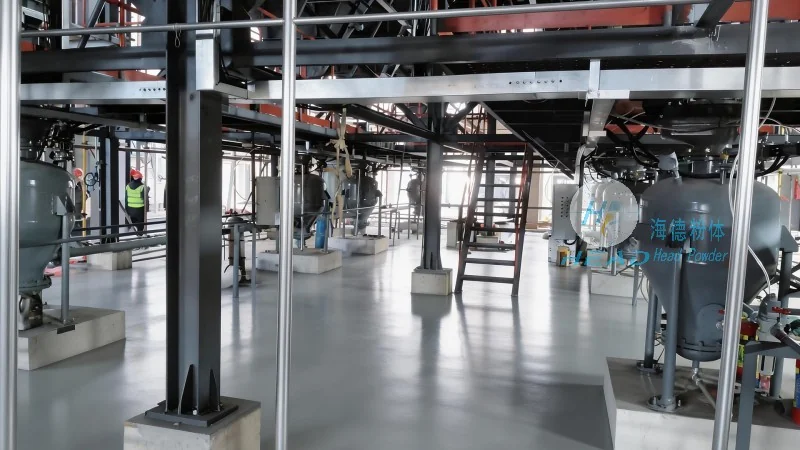
Operation Process of the Tote Bag Packing Pneumatic Conveying System
The operation of the tote bag packing pneumatic conveying system involves several sequential steps that ensure efficient and continuous material transfer. The process begins with the loading of bulk material into the tote bag. Once the tote bag is filled, the loading hopper is activated, and the material is drawn into the conveying line by the compressed air generated by the compressor.
As the material moves through the pneumatic conveying line, it is propelled by the high-pressure air, which creates a vacuum or pressure differential that drives the material forward. The system may use either positive pressure or negative pressure (suction) to transport the material, depending on the specific requirements and the nature of the material being handled.
Upon reaching the discharge point, the material is released from the conveying line and deposited into the target container or processing unit. The control system continuously monitors the flow rate and pressure, adjusting the air supply as needed to maintain a consistent material flow. This automated process minimizes human intervention and reduces the risk of errors or material loss.
Working Principle of the Pneumatic Conveying System
The working principle of the tote bag packing pneumatic conveying system is based on the fundamental physics of fluid dynamics and particle movement. The system utilizes compressed air to create a flow of air and material particles within the conveying line. The key principles involved include:
1. Particle Suspension: The compressed air creates a turbulent flow within the conveying line, which suspends the material particles in the air stream. This suspension allows the particles to be transported efficiently without direct contact with the pipe walls, reducing wear and tear on the equipment.
2. Pressure Differentiation: The system relies on a pressure differential between the loading hopper and the discharge point. The compressor maintains a higher pressure at the loading end, while the discharge end is at a lower pressure or atmospheric pressure. This pressure difference provides the necessary force to move the material through the conveying line.
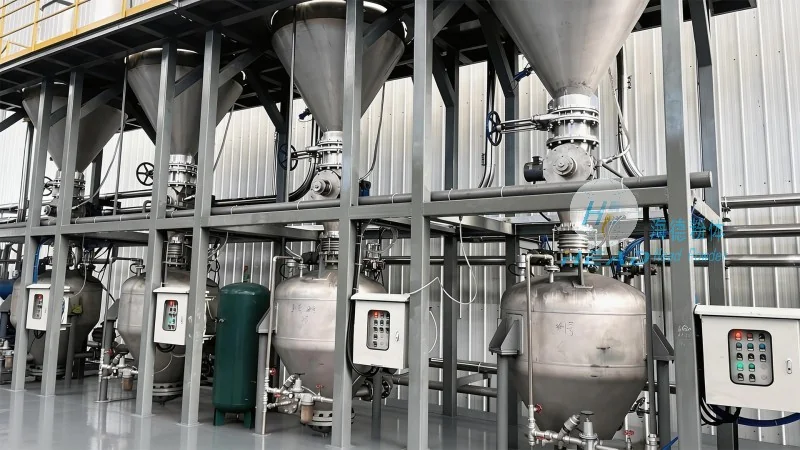
3. Air-Material Ratio: The ratio of air to material is a critical parameter in the operation of the system. An optimal air-material ratio ensures that the material is fully suspended and transported without excessive air consumption or material degradation. The control system adjusts this ratio based on real-time feedback to maintain efficiency.
Advantages of the Tote Bag Packing Pneumatic Conveying System
The tote bag packing pneumatic conveying system offers several advantages over traditional material handling methods. These include:
1. Efficiency and Speed: The system enables rapid and continuous material transfer, reducing downtime and increasing production throughput. The automated process minimizes the need for manual handling, which can be time-consuming and labor-intensive.
2. Flexibility and Versatility: The system can be easily adapted to handle a wide range of materials, including powders, granules, and fine particles. It can also be configured to transport materials over long distances or through complex layouts, making it suitable for various industrial applications.
3. Reduced Downtime and Maintenance: The use of a tote bag for material storage reduces the need for frequent material loading and unloading, which can cause downtime in traditional systems. Additionally, the pneumatic conveying system has fewer moving parts compared to mechanical conveyors, resulting in lower maintenance requirements and reduced repair costs.
4. Improved Material Quality: The enclosed nature of the system prevents contamination from dust, moisture, or other environmental factors, ensuring that the material remains in its original condition. This is particularly important for materials used in sensitive industries such as food, pharmaceuticals, and chemicals.
Conclusion
The tote bag packing pneumatic conveying system equipment, developed by Shandong HeadPowder Engineering Co., Ltd., represents a cutting-edge solution for efficient bulk material handling. By combining the advantages of tote bag storage with pneumatic conveying technology, this system offers a reliable, flexible, and cost-effective method for transporting materials in various industrial applications. With its advanced components, automated control system, and robust design, the system ensures consistent performance and minimal downtime, making it an ideal choice for businesses seeking to optimize their material handling processes.