

Operation Process and Working Principle of Titanium Dioxide Powder Conveying Machine
Understanding the operation process and working principle of a titanium dioxide powder conveying machine is crucial for optimizing industrial production efficiency, especially in applications involving the handling of fine powders like titanium dioxide. This equipment is designed to ensure safe, efficient, and reliable transport of such materials, which are widely used in various industries including pigments, coatings, and plastics.
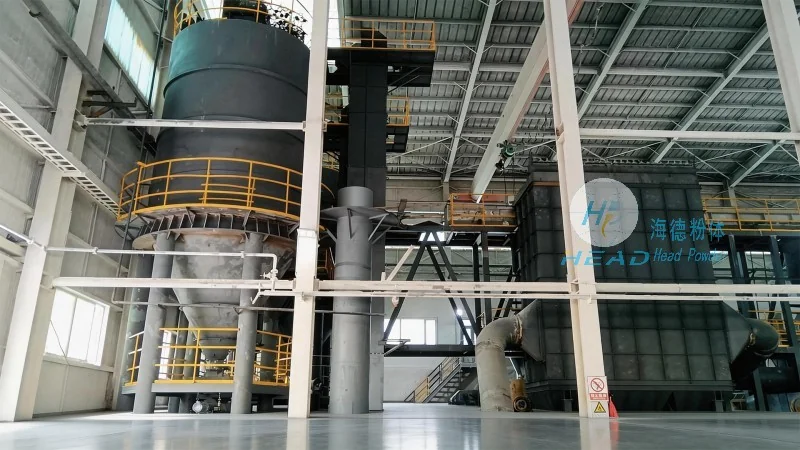
Overview of Titanium Dioxide Powder Conveying Systems
Titanium dioxide powder conveying machines are specialized devices engineered to handle the unique challenges associated with transporting fine, abrasive, and potentially hazardous powders. These systems are essential in industrial settings where the consistent and controlled movement of titanium dioxide is critical for maintaining product quality and operational safety. The design of these machines incorporates advanced materials and engineering solutions to address issues such as dust generation, material caking, and equipment wear, which are common in traditional powder handling methods.
The Core Components and Their Functions
At the heart of a titanium dioxide powder conveying machine are several key components that work in tandem to ensure smooth operation. The primary components include the hopper, which serves as the storage and feeding unit, the conveyor mechanism (such as screw conveyors or pneumatic systems), and the control system that regulates the flow of material. The hopper is typically made from corrosion-resistant materials like stainless steel to withstand the chemical properties of titanium dioxide and prevent contamination. The conveyor mechanism, often a screw or pneumatic system, is designed to move the powder from the hopper to the processing or packaging area. The control system, equipped with sensors and valves, monitors the flow rate, pressure, and temperature to maintain optimal conditions and prevent overloading or blockages.
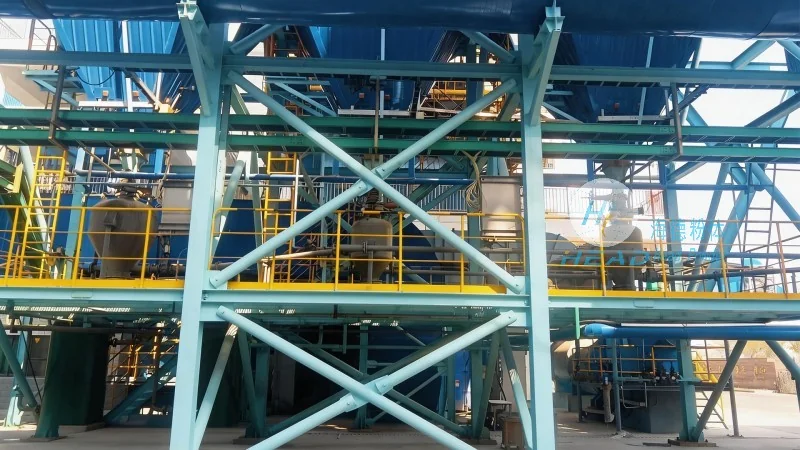
Operation Process: Step-by-Step Explanation
The operation of a titanium dioxide powder conveying machine follows a systematic process that ensures the material is transported efficiently and safely. The process begins with the loading of titanium dioxide into the hopper. The material is then fed into the conveyor mechanism through a controlled opening, which is regulated by the control system. The conveyor mechanism then transports the powder to the discharge point, where it is either transferred to a processing unit or packaged for distribution. Throughout this process, the control system continuously monitors the system's performance, adjusting parameters as needed to maintain consistent flow rates and prevent issues such as clogging or excessive pressure. This step-by-step approach ensures that the conveying process is both efficient and reliable, minimizing downtime and maximizing productivity.
Working Principle: How It Works Internally
The working principle of a titanium dioxide powder conveying machine is based on the principles of fluidization and mechanical transport. In pneumatic conveying systems, for example, compressed air is used to create a flow that lifts and moves the powder particles through the system. The air pressure and flow rate are carefully controlled to ensure that the powder is transported without causing excessive wear on the equipment or generating excessive dust. In mechanical conveying systems, such as screw conveyors, the rotating screw pushes the powder forward, using the friction between the screw and the material to move it through the system. The design of the screw, including its pitch and diameter, is optimized to handle the specific characteristics of titanium dioxide, such as its fine particle size and potential for caking. The combination of these principles allows the machine to efficiently transport the powder while maintaining product integrity and operational safety.
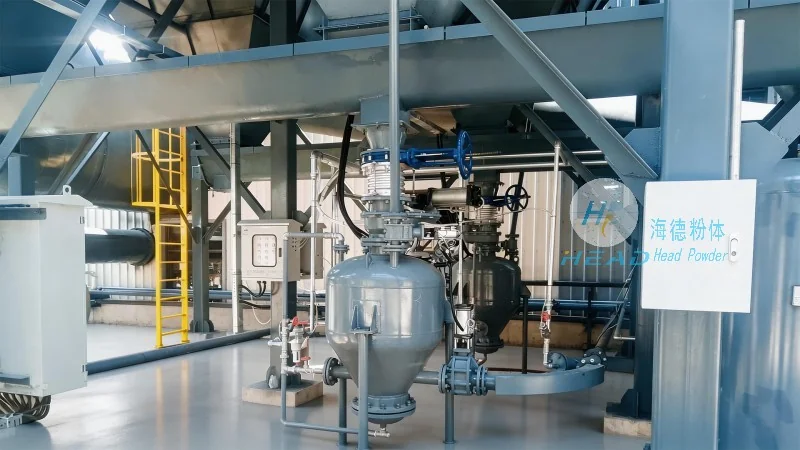
Benefits and Applications in Industrial Settings
The use of titanium dioxide powder conveying machines offers several benefits in industrial applications. These systems enhance production efficiency by providing a continuous and controlled flow of material, reducing the need for manual handling and minimizing the risk of human error. They also improve product quality by ensuring consistent particle size distribution and preventing contamination from external sources. Additionally, these machines are designed to minimize dust generation and environmental impact, which is crucial for compliance with industrial safety regulations. The applications of these machines are widespread, including in the production of pigments, coatings, plastics, and pharmaceuticals, where the reliable handling of titanium dioxide is essential for maintaining product specifications and meeting customer demands.
About Shandong HeadPowder Engineering Co., Ltd.
Shandong HeadPowder Engineering Co., Ltd., operating under the brand name headpowder, is a leading manufacturer of specialized equipment for powder handling and processing. With a focus on innovation and quality, the company has developed advanced solutions for the transportation and processing of fine powders like titanium dioxide. The company's products are designed to meet the specific needs of industrial clients, offering reliable, efficient, and safe equipment that enhances production capabilities. Headpowder's commitment to customer satisfaction and technological advancement has made it a trusted partner in the industry, providing high-quality solutions that meet the evolving demands of modern manufacturing.