

Operation Process and Working Principle of Cement Auxiliary Powder Conveying Machine
Cement auxiliary powder conveying machines are critical equipment in the cement industry, responsible for efficiently transporting essential raw materials like limestone, gypsum, and fly ash. These machines play a pivotal role in ensuring the smooth operation of cement production lines by maintaining a consistent supply of auxiliary powders. The proper functioning of these systems directly impacts the quality and output of cement products, making their operation and maintenance a key concern for manufacturers. This article delves into the operation process and working principle of cement auxiliary powder conveying machines, highlighting their importance and the technical aspects that contribute to their effectiveness.
Key Components and Their Functions
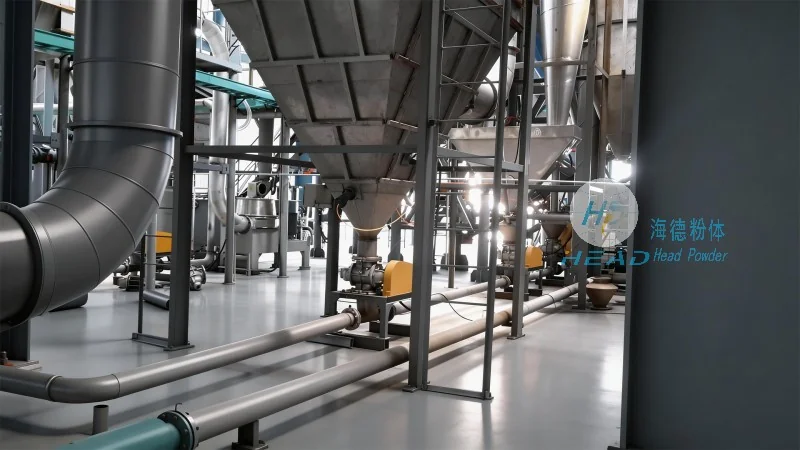
The cement auxiliary powder conveying machine comprises several key components that work together to facilitate powder transport. The hopper is the primary storage unit where auxiliary powders are loaded before being fed into the system. It is designed to handle large volumes of material and maintain a consistent flow rate. The feeding mechanism, often a rotary valve or a screw feeder, controls the amount of powder entering the conveyor. This component ensures that the powder is introduced at a controlled rate, preventing overloading or underloading of the conveyor. The conveyor system itself, which can be either a screw conveyor or a pneumatic conveyor, is responsible for moving the powder from the hopper to the processing unit. The control panel, equipped with sensors and indicators, monitors parameters such as pressure, flow rate, and temperature, allowing operators to adjust the system as needed. Each component is engineered to handle the specific characteristics of cement auxiliary powders, such as fineness and moisture content, to prevent issues like segregation or blockages.
Operation Process: Step-by-Step Overview
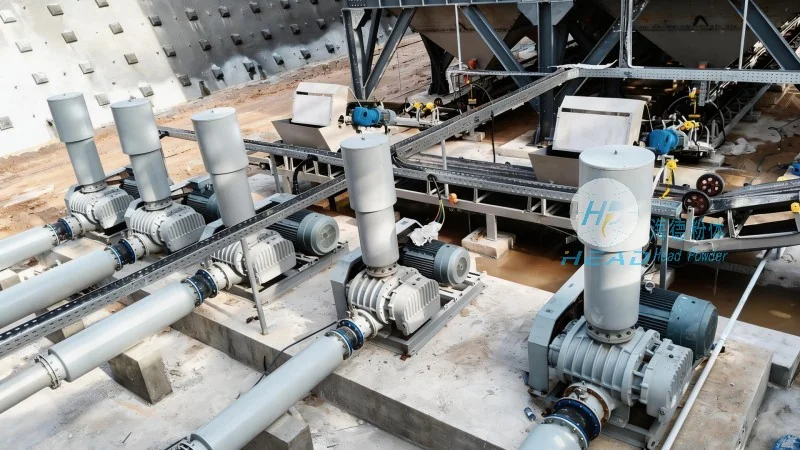
The operation of a cement auxiliary powder conveying machine typically follows a systematic process. First, the auxiliary powders are loaded into the hopper, ensuring that the material level is adequate for continuous operation. The feeding mechanism then regulates the flow of powder into the conveyor. For screw conveyors, the rotating screw pushes the powder forward through the tube, creating a positive pressure that moves the material. The speed of the screw can be adjusted to control the flow rate, allowing for precise delivery of the powder to the next stage of the production line. In pneumatic conveyors, the system uses a blower to generate air pressure, which carries the powder particles through the pipeline. The air pressure is carefully controlled to ensure the powder is transported without causing excessive wear or degradation. The control panel continuously monitors the system's performance, providing real-time data on flow rate, pressure, and any potential issues. Operators can adjust the settings based on the material being conveyed or the production requirements, ensuring optimal performance. Regular checks are performed to verify that all components are functioning correctly, and any maintenance tasks are carried out promptly to prevent downtime.
Working Principle: How the System Transports Powders
The working principle of a cement auxiliary powder conveying machine is based on the specific mechanism used for powder transport. Screw conveyors operate on the principle of mechanical displacement, where the rotating screw displaces the powder forward. The screw's pitch and diameter are designed to handle the fineness and bulk density of the auxiliary powders, ensuring efficient movement without causing excessive friction or wear. The conveyor tube is usually made of stainless steel or other corrosion-resistant materials to prevent material buildup and maintain hygiene. Pneumatic conveyors, on the other hand, rely on the principle of fluidization and air movement. The blower creates a high-pressure air stream that carries the powder particles through the pipeline. The air velocity is maintained above the minimum fluidization velocity to prevent particle settling and ensure continuous transport. The system may include cyclone separators or filters to separate the powder from the air at the discharge point, allowing for clean powder collection. Both mechanisms are designed to handle fine powders without causing segregation, which is crucial for maintaining the uniformity of the cement mix. The working principle also emphasizes the importance of maintaining consistent air or mechanical pressure to ensure smooth operation and prevent blockages.
Importance of Maintenance and Operational Efficiency
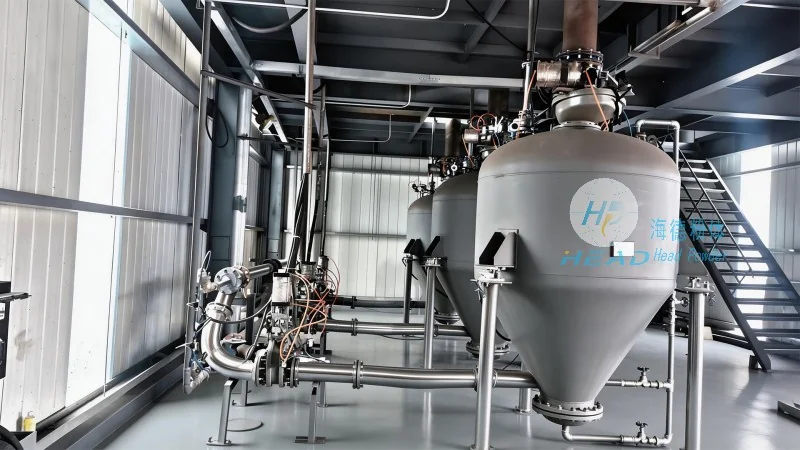
Proper maintenance and operational efficiency are critical for the long-term performance of cement auxiliary powder conveying machines. Regular cleaning of the hopper and conveyor components is essential to prevent the accumulation of powder, which can lead to blockages or reduced flow rates. Lubrication of moving parts, such as the screw or bearings, ensures smooth operation and reduces wear and tear over time. The control panel should be checked regularly to ensure that all sensors and indicators are functioning correctly, as any malfunction can lead to operational issues. Additionally, monitoring the system's performance parameters, such as flow rate and pressure, helps identify any deviations from normal operation, allowing for timely adjustments or repairs. By adhering to a regular maintenance schedule, manufacturers can extend the lifespan of the equipment and ensure consistent and reliable supply of auxiliary powders. This, in turn, contributes to the overall productivity and quality of the cement production process. The importance of proper operation and maintenance cannot be overstated, as it directly impacts the efficiency and cost-effectiveness of cement manufacturing facilities.