

Operation Process and Working Principle of Ash Silo Material Handling Equipment
HeadPowder, a leading manufacturer based in Shandong, China, specializes in the design, production, and installation of advanced material handling systems for industrial applications. The ash silo material handling equipment is a critical component in many industrial processes, particularly in power plants and waste management facilities. This equipment is engineered to efficiently transport bulk materials such as fly ash, bottom ash, and other powders from storage silos to processing or disposal units. Understanding the operation process and working principle of this equipment is essential for optimizing its performance and ensuring reliable operation in industrial settings.
Key Components of the Material Handling System
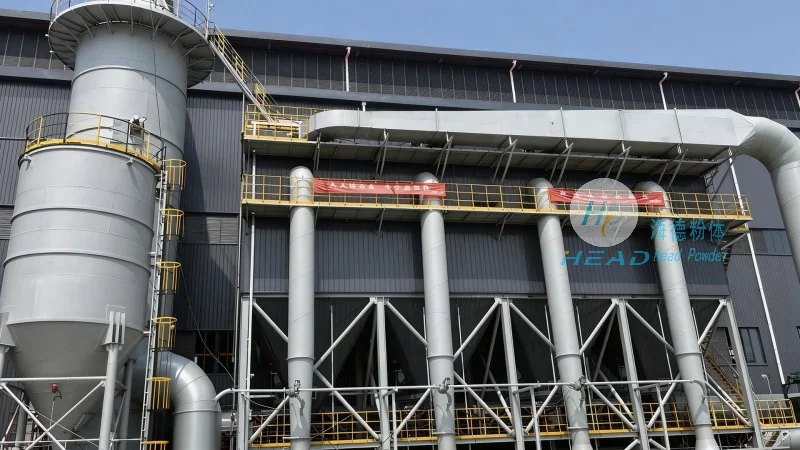
The ash silo material handling equipment typically consists of several key components that work in tandem to ensure smooth material transport. These components include the ash silo itself, which serves as the storage vessel for bulk materials; a discharge valve or gate mechanism that controls the release of material from the silo; a conveyor system (such as a screw conveyor, belt conveyor, or pneumatic conveyor) that transports the material from the silo to the next stage of processing; and a control system that monitors and regulates the entire operation. Each component plays a vital role in the overall efficiency and safety of the material handling process.
Operation Process of the Equipment
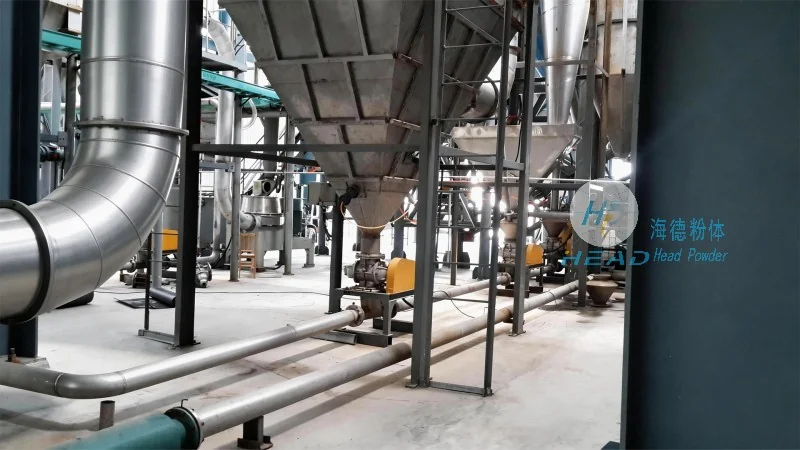
The operation process of the ash silo material handling equipment begins with the loading of bulk materials into the ash silo. Once the silo is filled to the desired level, the discharge valve is activated to allow the material to flow into the conveyor system. The conveyor then transports the material to the processing unit or disposal site. The control system continuously monitors the flow rate, pressure, and other parameters to ensure that the material is transported at an optimal rate. If any issues arise, such as blockages or overflows, the control system will automatically shut down the equipment to prevent damage or accidents.
Working Principle of the Equipment
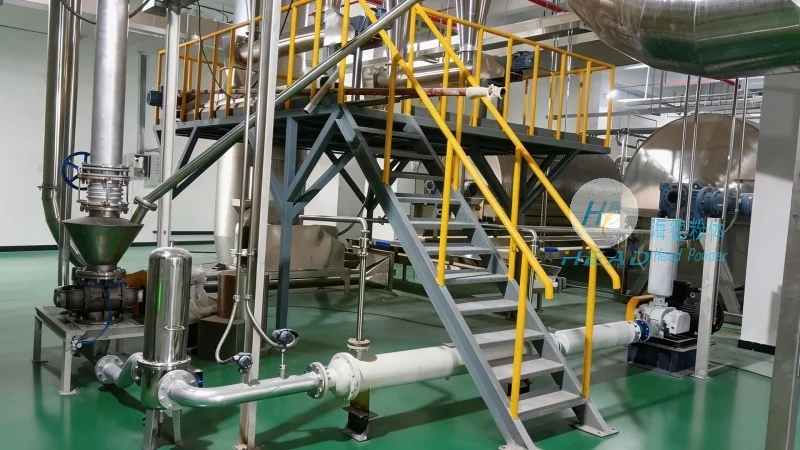
The working principle of the ash silo material handling equipment is based on the principles of gravity and mechanical force. The discharge valve is designed to open and close the flow of material from the silo, allowing it to enter the conveyor system. The conveyor system then uses mechanical energy to transport the material forward. In some cases, a pneumatic conveyor may be used, which uses compressed air to move the material through a pipeline. The control system ensures that the equipment operates within safe and efficient parameters, adjusting the flow rate as needed to maintain optimal performance.
Advantages of HeadPowder's Material Handling Solutions
HeadPowder's ash silo material handling equipment offers several advantages over traditional systems. The equipment is designed to be highly efficient, with low energy consumption and minimal maintenance requirements. The components are made from high-quality materials, ensuring durability and long service life. The control system is advanced, providing real-time monitoring and data analysis to help operators optimize the operation. Additionally, the equipment is designed to meet the strict safety and environmental regulations, ensuring compliance with industry standards.
Conclusion
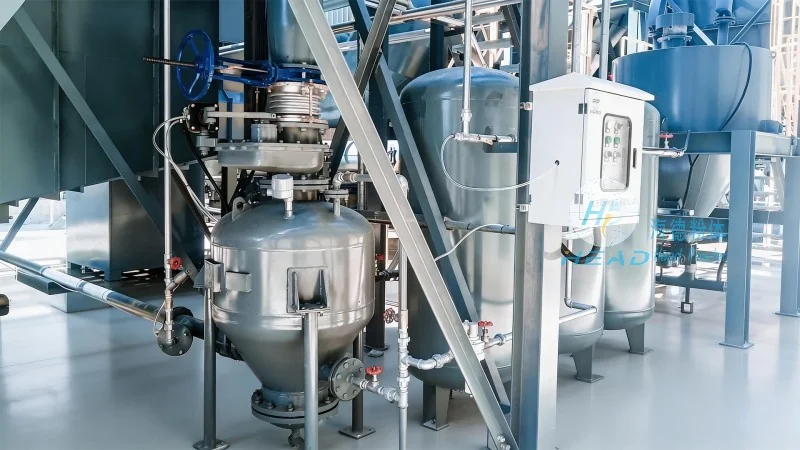
HeadPowder's ash silo material handling equipment is a reliable and efficient solution for industrial material handling needs. The equipment is designed to meet the specific requirements of each application, ensuring optimal performance and safety. With its advanced technology and high-quality components, HeadPowder's equipment is the ideal choice for power plants, waste management facilities, and other industrial applications that require reliable material transport. By understanding the operation process and working principle of this equipment, users can ensure that it operates at its best, maximizing productivity and minimizing downtime.