

Operation Process and Working Principle of a Small Bag Unpacking Powder Pneumatic Conveying System
HeadPowder, a leading provider in the field of powder handling technology, specializes in the design and implementation of efficient pneumatic conveying systems. The small bag unpacking powder pneumatic conveying system is a critical solution for industries that rely on handling bulk powders, offering a seamless integration from bag unloading to material transport. This system is engineered to enhance operational efficiency, reduce labor costs, and ensure the safe and hygienic transfer of powders across various production stages.
Key Components and Their Functions
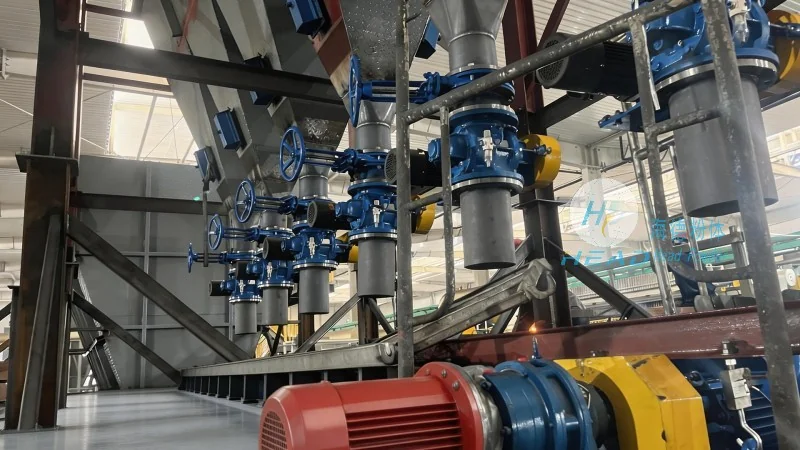
The small bag unpacking powder pneumatic conveying system comprises several key components that work in tandem to achieve effective material handling. The primary components include the bag unpacking unit, the material feed hopper, the pneumatic conveying line, and the receiving hopper. The bag unpacking unit is responsible for opening and emptying the bulk bags (FIBCs) without manual intervention. This unit typically features an automated mechanism that cuts and opens the bag, allowing the powder to flow into the feed hopper. The feed hopper then regulates the flow of powder into the pneumatic conveying line, ensuring a consistent and controlled feed rate. The pneumatic conveying line, which may use positive or negative pressure depending on the system design, transports the powder from the feed point to the receiving hopper. The receiving hopper collects the conveyed powder and can be connected to downstream processes such as storage, mixing, or packaging.
Operation Process: Step-by-Step Breakdown
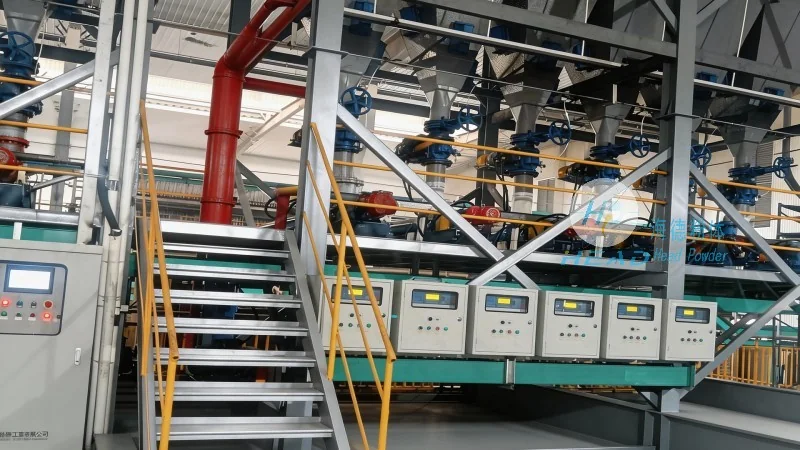
The operation of the small bag unpacking powder pneumatic conveying system follows a systematic sequence to ensure smooth and continuous material handling. The process begins with the placement of a bulk bag into the bag unpacking unit. The unit then initiates the unloading sequence, which involves cutting the bag's top and allowing the powder to discharge into the feed hopper. Once the bag is empty, the system can automatically move to the next bag or enter a standby mode. The feed hopper, equipped with a control valve, regulates the flow of powder into the pneumatic conveying line. The conveying line, under pressure from a blower or vacuum pump, moves the powder through the pipeline to the receiving hopper. The receiving hopper may have a level indicator to monitor the material volume and can be equipped with a discharge valve for further processing. The entire process is designed to minimize downtime and maximize throughput, with each step optimized for efficiency and reliability.
Working Principle: How It Transfers Powder
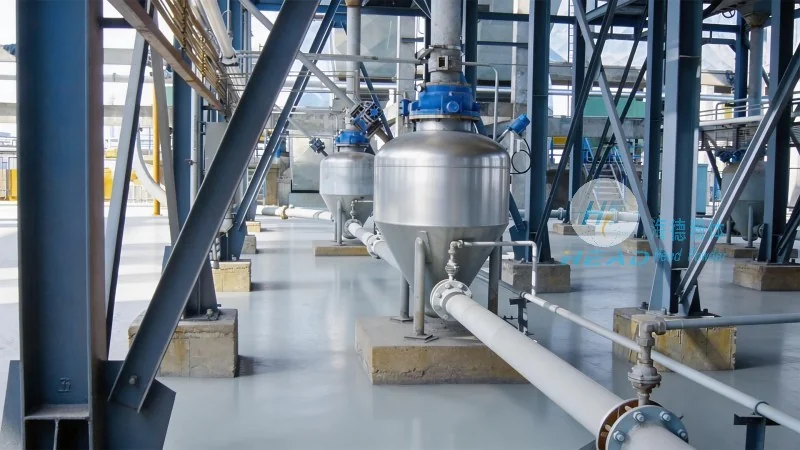
The working principle of the small bag unpacking powder pneumatic conveying system is based on the principles of fluid dynamics and particle transport. In a positive pressure system, a blower generates high-pressure air that pushes the powder particles through the conveying line. The air and powder mixture travels at a high velocity, allowing the powder to be suspended and transported. The system uses a combination of air velocity and particle size to ensure effective conveying. In a negative pressure system, a vacuum pump creates a low-pressure environment that draws the powder particles into the conveying line. The air flow is controlled to maintain the powder in a suspended state, preventing clogging and ensuring smooth transport. The system's design considers factors such as powder density, moisture content, and particle size to optimize the conveying parameters. By adjusting the air flow rate and pressure, the system can handle a wide range of powders, from fine to coarse, with minimal loss and maximum efficiency.
Benefits and Applications
The small bag unpacking powder pneumatic conveying system offers numerous benefits for industries dealing with bulk powders. One of the primary advantages is the reduction in manual labor, as the system automates the bag unloading and material transport processes. This not only improves safety by minimizing human exposure to powders but also enhances operational efficiency by reducing downtime and increasing throughput. The system also ensures consistent material quality by preventing contamination and maintaining a uniform flow rate. Additionally, the system is designed for easy integration into existing production lines, allowing for seamless upgrades and modifications. The applications of this system are widespread, including pharmaceuticals, food processing, chemical manufacturing, and mining. In pharmaceuticals, the system is used to handle active pharmaceutical ingredients (APIs) and excipients, ensuring a clean and hygienic transfer process. In food processing, it is used to handle ingredients such as flour, sugar, and spices, maintaining product quality and safety. In chemical manufacturing, it is used to transport raw materials and intermediates, improving process control and efficiency.
Conclusion
HeadPowder's small bag unpacking powder pneumatic conveying system is a sophisticated and reliable solution for efficient bulk powder handling. By combining advanced automation and fluid dynamics principles, the system offers a seamless and efficient way to transfer powders from bulk bags to downstream processes. The system's design, which includes key components such as the bag unpacking unit, feed hopper, and pneumatic conveying line, ensures consistent performance and minimal downtime. The operation process, which follows a systematic step-by-step sequence, and the working principle, which relies on fluid dynamics and particle transport, make the system effective for a wide range of applications. With its benefits of reduced labor costs, improved safety, and consistent material quality, the system is an essential tool for industries that rely on bulk powder handling. HeadPowder, with its expertise in powder handling technology, continues to provide innovative solutions that meet the evolving needs of the industry.